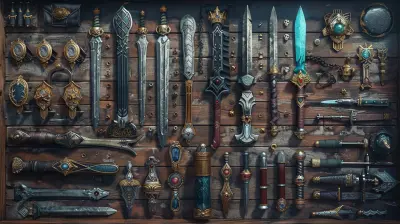
The Combat System: Fluid or Clunky in the First Fights?
5 February 2026
When you boot up a brand-new game, what’s the first thing you notice? Sure, the graphics might blow you away, the world might be jaw-dropping, and the music could leave you humming for hours. But let’s be honest—if the combat system doesn’t click, all that window dressing falls flat.
Whether it's the punchy, adrenaline-fueled clashes in a fast-paced action game or the more methodical rhythm of a turn-based RPG, the combat system sets the tone for your experience. So, let’s tackle the question every gamer asks after those initial encounters: is the combat system fluid and intuitive, or does it feel like trying to fight with a pair of mittens on?
First Impressions Matter
Raise your hand if you’ve rage-quit a game just because the combat felt clunky in the first 30 minutes. Don’t worry, we’ve all been there. Those opening fights are a game’s chance to shine—or crash and burn. They’re the litmus test for whether you’ll stick around or uninstall quicker than it took to download.A fluid combat system hooks you from the get-go. It feels like the game understands you, like there's this unspoken connection between your inputs and your on-screen actions. On the flip side, clunky systems? They feel like trying to run through knee-deep mud. Sure, you might eventually get used to them, but at what cost to your mental sanity?
What Makes Combat "Fluid"?
You’ve probably heard gamers rave about certain combat systems feeling "buttery smooth." But what does that actually mean? Let’s break it down:1. Responsive Controls
Fluid combat lives or dies on controls. You press a button, and your character immediately reacts. There's no noticeable delay, no awkward animations locking you in place when you need to dodge. It’s like having a direct line to your character’s brain. Think of games like Devil May Cry 5 or Sekiro: Shadows Die Twice. Every button press counts, and there’s zero lag in the feedback loop.2. Animation Flow
Animations can be the hero or the villain of a combat system. If each action flows seamlessly into the next, it creates a natural rhythm that’s a joy to play. But if animations feel stiff or overly long, you’re left wondering if your character secretly hates you. A game like Hollow Knight is a great example of fluid animation work. Every swing, dodge, and jump feels like part of a well-choreographed dance.3. Intuitive Design
Ever picked up a game and instantly “got” the combat system? That’s no accident. Intuitive combat systems are designed to feel natural without bombarding you with a 45-minute tutorial. The Legend of Zelda: Breath of the Wild nails this by easing you into the basics before layering on more mechanics.4. Pacing
Pacing is hugely underrated. If a game's combat feels sluggish or your attacks lack impact, it instantly creates a sense of disconnect. Conversely, if the action is too fast and overwhelming, it can feel chaotic and unmanageable. Striking that middle ground is key. Games like God of War (2018) are masters at this, balancing heavy, deliberate strikes with moments of heart-pounding action.
What Makes Combat "Clunky"?
Okay, we’ve hyped up the greatness of fluid combat, but what about the opposite? What’s happening when combat feels clunky? Let’s dissect the culprits:1. Input Lag
It’s 2023—input lag shouldn’t even be a thing anymore, yet here we are. When there’s a noticeable gap between hitting a button and seeing results, frustration boils over. That delay pulls you right out of the action, making every fight feel like a chore.2. Overly Complex Mechanics
Some games throw everything but the kitchen sink into their combat systems. Multiple layers of menus, combo lists longer than a CVS receipt, and mechanics that feel completely disjointed? It’s the gaming equivalent of trying to assemble IKEA furniture without the manual. Sure, complexity is great when done right (Nioh does it beautifully), but when it’s a tangled mess? Clunky city.3. Poor Hit Detection
Ever swung a weapon or fired a shot in a game and wondered, “Did that even land?” That’s bad hit detection, and it’s a killer. If you can’t trust that your attacks will connect when they should, combat becomes more frustrating than fun.4. Unpolished Animations
Imagine swinging a sword in slow motion while fighting an enemy that moves at lightning speed. Yeah, no thanks. Unpolished animations can make combat feel janky or unfair, especially when they mess with timing and response.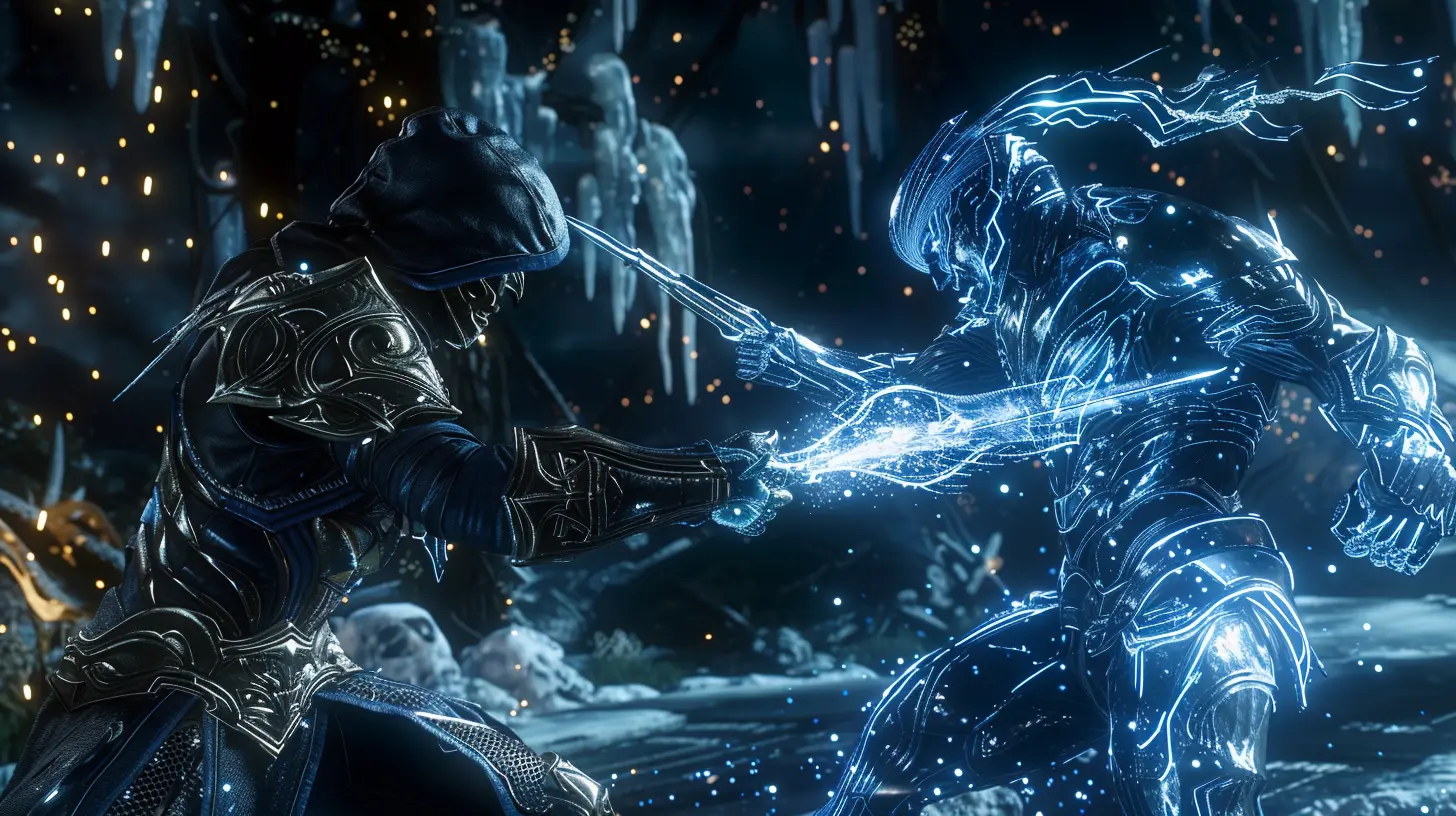
Examples of Fluid vs. Clunky Combat
Sometimes, the best way to understand the difference is by looking at specific games. Here’s how some popular titles handle their first fights:Fluid Combat Example: Dark Souls
Say what you will about its difficulty, but Dark Souls introduces you to its combat system with precision. The first fights against undead soldiers teach you about timing and spacing intuitively. Everything feels deliberate, yet fluid. You learn through doing, not through endless tutorials.Clunky Combat Example: Mass Effect: Andromeda
When Mass Effect: Andromeda launched, its combat faced heavy criticism. Animations felt stiff, cover mechanics were hit-or-miss, and your character’s movements often felt like they were floating rather than grounded. Thankfully, patches improved the system over time, but those initial fights left a sour taste.Can Clunky Combat Grow on You?
Let’s be fair—some games with clunky combat systems manage to win us over in the long run. How? Through sheer perseverance or by offering other aspects that keep us hooked. Take Monster Hunter: World, for instance. At first, its heavy, deliberate weapon swings might feel awkward, but over time, you start to appreciate the weight and impact behind each attack. It’s like learning to drive a stick shift—rough at first, but oh-so-satisfying once you get the hang of it.Should You Stick It Out?
So, what do you do when you find yourself in the middle of a combat system that just isn’t clicking? Here’s some advice:- Give it time: Some systems simply require a learning curve. If everything else about the game grabs you, it’s worth sticking around a bit longer.
- Adjust the settings: Many games include options to tweak controls, camera sensitivity, or difficulty settings. Don’t be afraid to experiment.
- Watch tutorials or guides: There’s no shame in getting a little outside help. Sometimes just seeing how someone else handles combat can make a world of difference.
Why It All Matters
In the end, the question of “fluid or clunky” goes beyond mechanics. It’s about how the combat system makes you feel. Does it immerse you in the game world and make you feel like the hero? Or does it make you want to yeet your controller across the room? Those first fights set the stage, so it’s worth paying attention to whether the combat earns your loyalty or not.Remember, games are about fun. If the combat isn’t doing it for you, it’s okay to move on. Life’s too short for clunky battles.
all images in this post were generated using AI tools
Category:
First ImpressionsAuthor:

Tina Fisher
Discussion
rate this article
2 comments
Sybil McCool
Whether a dance of fluidity or a stutter-step shuffle, the initial encounters set the tone. Let’s hope the combat system evolves from clunky to captivating, because first impressions are everything in gaming!
February 13, 2026 at 4:05 PM
Tina Fisher
Thank you for your insight! First impressions are crucial, and we're all hoping for an engaging evolution in the combat system.
Rhiannon Baxter
Fluidity matters; clunkiness breaks immersion—let's find the balance!
February 8, 2026 at 4:56 AM
Tina Fisher
Absolutely! Striking that balance is key to keeping players engaged.