Recipes, Blueprints, and Schematics: A Crafting Comparison
16 April 2026
Crafting has become a cornerstone of modern video games. From survival epics to RPGs and even shooters, crafting systems are everywhere – and they’re more intricate than ever. But have you noticed how different games use different terms for essentially the same thing? Recipes, blueprints, schematics… what's the difference? Why not just call them all "crafting instructions"?
Well, it turns out there’s a method to the madness.
In this deep dive, I’ll guide you through the subtle (and not-so-subtle) distinctions between recipes, blueprints, and schematics in video games. We’ll look at how these systems impact gameplay, progression, immersion, and player satisfaction. Ready to decode the craft?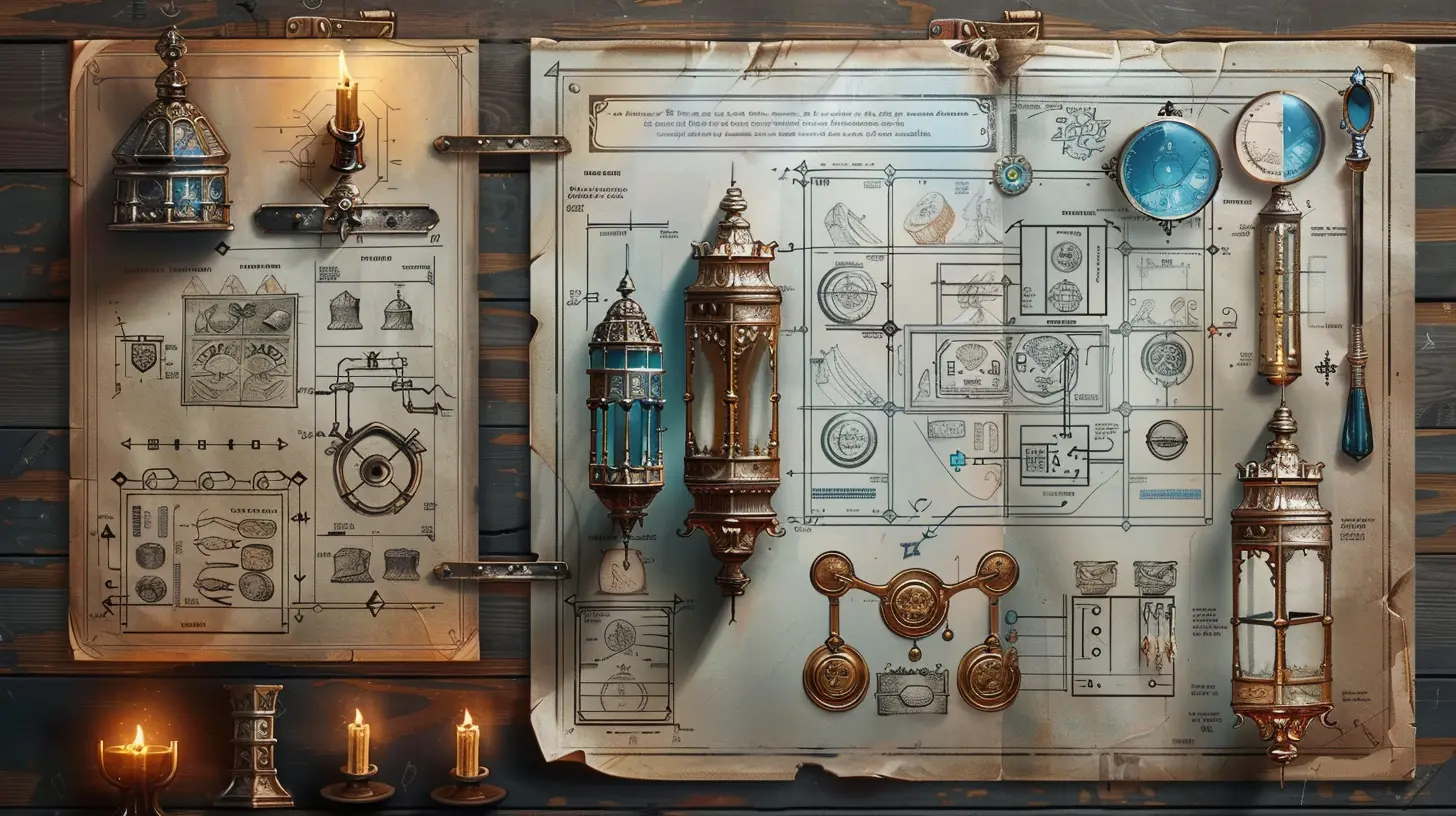
What is Crafting in Games, Really?
Before we get into the nitty-gritty, let’s get on the same page.Crafting in games is the process where players combine resources or materials to create new items. Think of it like cooking, blacksmithing, or DIY. Whether you're building a sword, cooking a stew, or assembling a laser rifle, it's all under the umbrella of crafting.
Now, depending on the game's world and theme, developers use different terms – not just for flavor, but to align with the feel of the game. That’s where terms like recipes, blueprints, and schematics come in.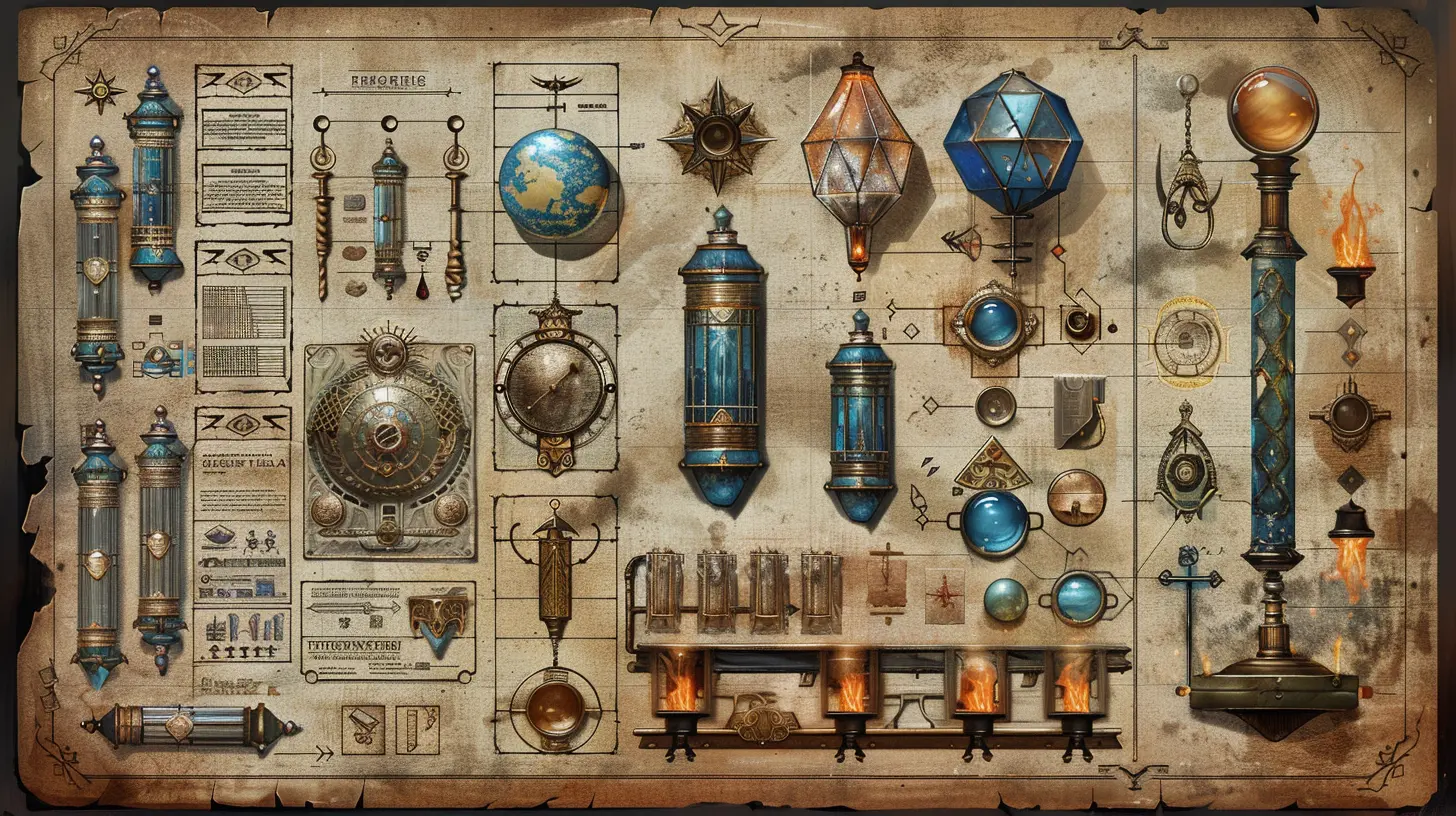
The Recipe: A Taste of Traditional Crafting
Let’s start with recipes. Recipes are pretty much what they sound like — instructions that tell you how to make something from a list of ingredients. You’ll find these most commonly in games that involve cooking, alchemy, or potion-making. Think of games like:- The Legend of Zelda: Breath of the Wild
- Minecraft
- Skyrim
In these games, you collect ingredients like herbs, meats, or minerals, and follow a recipe to whip up something new. Sometimes the recipe is given. Other times, you gotta experiment.
Why Recipes Work
Recipes are easy to grasp. Everyone knows what a recipe is in real life. That familiarity makes them excellent for casual players or games that emphasize experimentation and collection.They reinforce a sense of discovery. Finding a secret recipe feels like unlocking Grandma’s secret chili formula — it’s personal and kind of magical.
Recipe Systems Often Include:
- Discoverable formulas: You might find them in loot drops, books, or by trial and error.- Ingredient dependencies: You need specific materials, not just any metal or herb.
- Creative mixing: Some games allow ingredients to be swapped to alter effects.
Recipe Limitations
While fun, recipes can be a bit too simple for hardcore players. When the crafting loop is “just toss in X and Y,” it can lack depth. That’s where blueprints and schematics step in.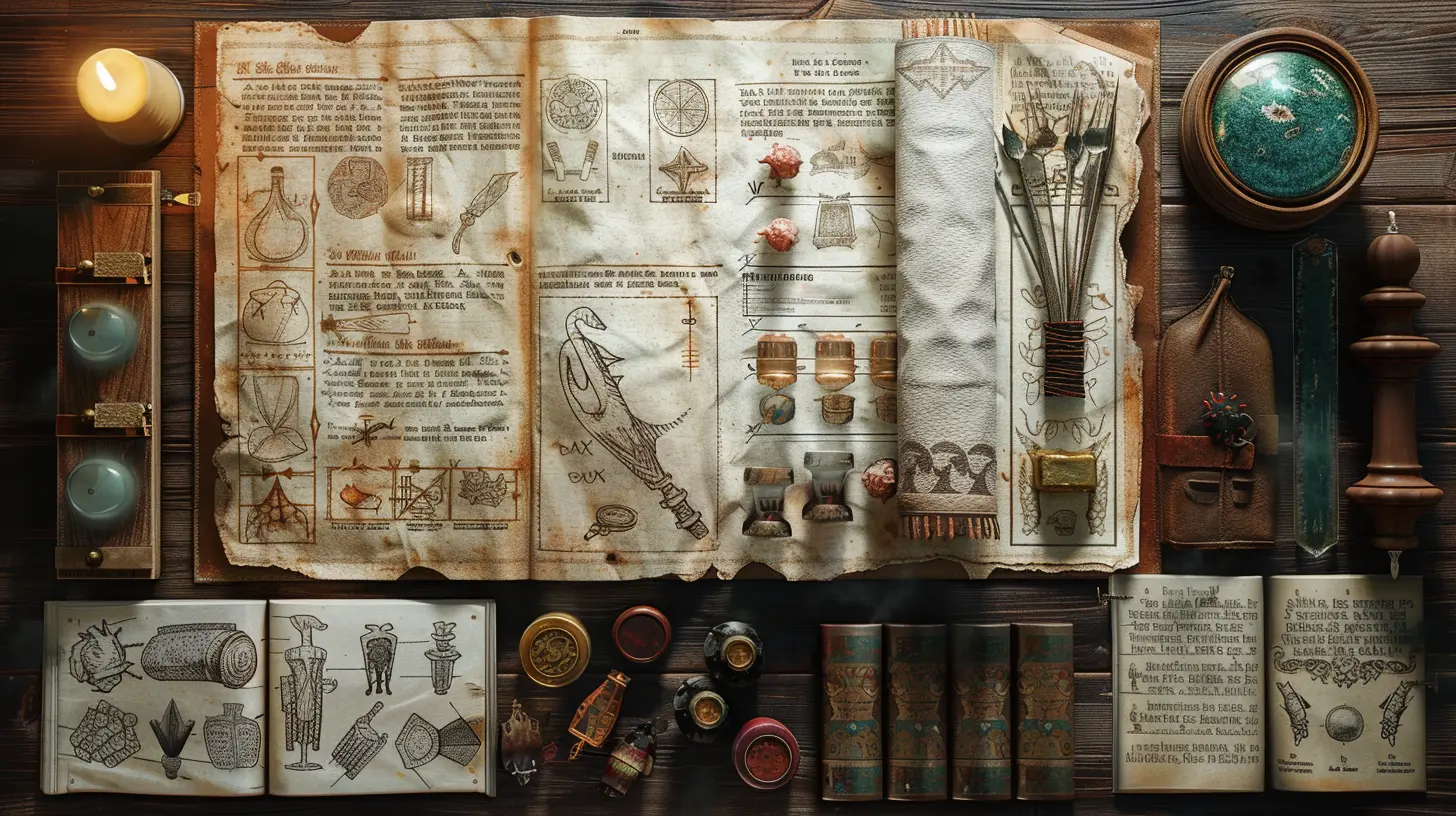
Blueprints: The Engineer’s Dream
Blueprints are often used in games with a focus on construction, technology, or heavy machinery. You'll see them in games like:- Subnautica
- Fallout 4 (Workshop Mode)
- Terraria
They present a more technical, structured approach to crafting. Think of a blueprint like a building plan – it shows you exactly how and where parts should go. It’s less like cooking and more like assembling IKEA furniture with a laser welder.
Why Blueprints Stand Out
Blueprints elevate crafting into engineering. They don’t just tell you what to build – they suggest how it fits into a larger system. In games like Factorio or Satisfactory, your whole gameplay loop revolves around optimizing blueprints to build sprawling factories.Blueprint Features:
- Detailed planning diagrams: Often show structure layouts and part placements.- Heavy resource investment: Usually costlier to build than simple recipes.
- Unlockable via progress: Quests, research, or exploration often unlock new blueprints.
- Automation-friendly: Often used in games that let you automate production lines.
Blueprint Trade-Offs
They can feel overwhelming. Not everyone wants to channel their inner engineer after a long day. For casual players, blueprints may feel too rigid or complicated. But for tinkerers and system-lovers, they’re everything.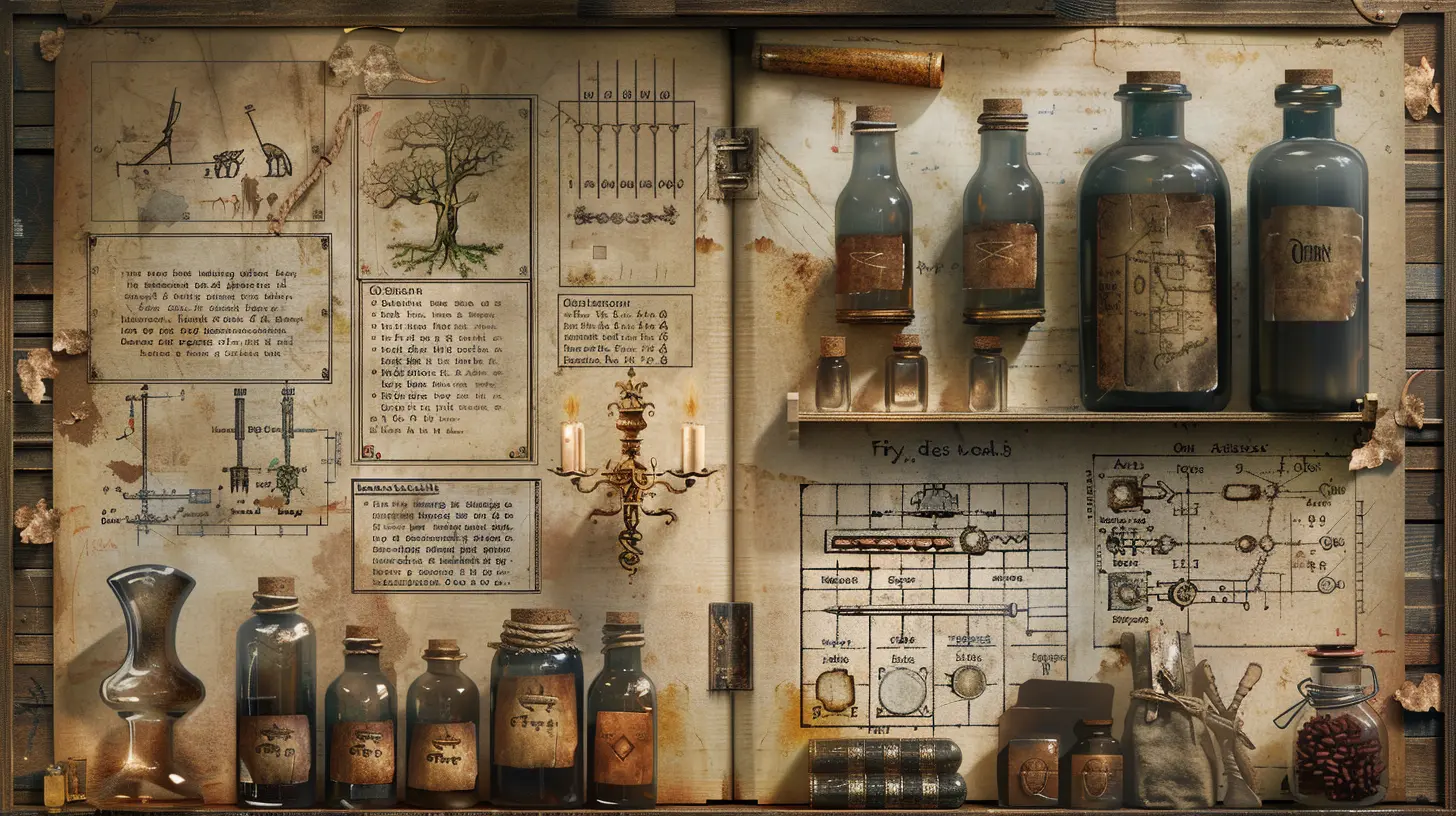
Schematics: The Sci-Fi Middle Ground
Now, schematics. If recipes are for chefs and blueprints are for engineers, schematics are for mad scientists. They often appear in sci-fi, futuristic, or military-themed games like:- Halo: Infinite
- Starfield
- Destiny 2
- Cyberpunk 2077
Schematics often represent high-tech, precise data used to manufacture advanced gadgets or weapons.
Schematics, Explained
Imagine a schematic as a digital encoding of an item. It’s not just a set of instructions — it's a 3D-printing file from the future. You’re not hand-making a laser gun; you’re inputting a schematic into a machine that does it for you.Key Traits of Schematics:
- Usually high-tech: Plasma rifles, cyberware, drones — the cool stuff.- Require advanced materials: You're not throwing in sticks and stones.
- Often rare or loot-based: Schematics are typically found, earned, or stolen.
- Tied to crafting stations or fabricators: You need special gear to use them.
Who Do Schematics Serve?
Hardcore players, completionists, and fans of futuristic settings. Schematics often represent endgame crafting — the stuff casual players may never even get to experience. They’re the holy grail of crafting systems.Recipes vs. Blueprints vs. Schematics: Side-by-Side Breakdown
| Feature | Recipes | Blueprints | Schematics ||----------------------------|------------------------------|-------------------------------|-------------------------------|
| Typical Genre | Fantasy, survival | Sandbox, engineering | Sci-fi, futuristic |
| Complexity Level | Low to Medium | Medium to High | High |
| Discovery Method | Found, experimented | Unlocked, constructed | Looted, researched |
| Material Variety | Basic ingredients | Specific components | Rare & advanced tech |
| Crafting Tool | Cauldrons, campfires | Workbenches, stations | Fabricators, terminals |
| Customization | Some variation possible | Often fixed structure | Sometimes modifiable |
| Examples of Output | Potions, food, charms | Buildings, tools, vehicles | Weapons, armor, gadgets |
How Crafting Types Shape Gameplay
Let’s take a step back and think philosophically (just for a second).The type of crafting system a game uses says a lot about what kind of experience it wants to deliver.
- Relaxed survival game? You’ll get recipes — experiment, forage, eat.
- Creative sandbox builder? Blueprints all the way. Plan, build, tweak.
- Tactical futuristic shooter? Schematics. Hunt them down, build powerful stuff, dominate.
Each system guides your play style. It pushes you toward different types of goals and rewards. Crafting isn’t just an add-on — it’s a subtle form of storytelling.
The Hybrid Approach: Best of All Worlds?
Some developers are catching on and mixing things up. Games like Valheim and No Man’s Sky blend recipes, blueprints, and schematics to offer layered crafting experiences.You might start with recipes for basic gear, unlock blueprints for structures, and later discover schematics for advanced tech.
This hybrid approach can add a great sense of progression and help cater to all player types — from casual crafters to hardcore builders.
Crafting Systems and the Player Brain
Let’s get a bit nerdy.Crafting hits that dopamine button in your brain. It combines:
- Collection (gathering materials)
- Discovery (finding or unlocking the instructions)
- Creation (building something cool)
- Utility (using or equipping what you made)
Recipes, blueprints, and schematics tap into these in different ways. Recipes often hit discovery and creation. Blueprints hit planning and utility. Schematics? They’re the jackpot — tapping into all four.
That’s why players love them — when done right.
What Makes a Good Crafting System?
Regardless of what term a game uses, the best crafting systems share a few DNA strands:1. Purpose: Crafting should have a reason. Don’t throw in a system because it’s trendy.
2. Progression: Start simple, grow in complexity.
3. Discovery: Let players find or unlock crafting knowledge.
4. Variety: Mix easy and complex items.
5. Reward: The crafted item should feel worth the effort.
When crafting feels like a chore? That’s when players bounce.
Final Thoughts: Crafting as a Core Game Mechanic
Recipes, blueprints, and schematics do more than just help you make stuff — they shape how you think, explore, fight, and survive in a game world.Knowing the differences not only helps you better understand game design, but it also helps developers cater to their audience more effectively.
Whether you’re brewing potions, engineering mega structures, or fabricating alien gear, the crafting system reflects the soul of the game.
So next time you unlock a new schematic or find a random recipe in a cave, take a moment to appreciate what it means for your adventure.
Happy crafting!
all images in this post were generated using AI tools
Category:
Item CraftingAuthor:

Tina Fisher
Discussion
rate this article
2 comments
Zadie Wright
This article effectively dissects the nuances of crafting systems in various games, highlighting the distinctions between recipes, blueprints, and schematics. By providing concrete examples, it clarifies how each method influences gameplay mechanics and player creativity. A compelling read for any gamer interested in optimizing their crafting strategies.
April 22, 2026 at 4:48 AM
Tina Fisher
Thanks for your feedback! I'm glad you found the article helpful in understanding crafting systems. Your insights on gameplay influence are spot on. Happy crafting!
Meredith Barnes
Great insights on crafting! This comparison truly highlights the creativity in game mechanics. Well done!
April 20, 2026 at 3:41 PM
Tina Fisher
Thanks for your kind words! I'm glad you found the comparison helpful.