Item Crafting as a Tool for World-Building
25 July 2026
Let’s be honest—when most of us hear “item crafting” in a game, we immediately think of the grind. Collect ten rabbit pelts, three herbs, and a piece of goat cheese just to make a potion or a sword. But hey, what if I told you item crafting is so much more than just a gameplay mechanic? What if it’s actually one of the best ways to breathe life into a game world?
Yeah, that’s what we’re diving into today. Whether you're a game developer, a writer, or just someone obsessed with world-building, item crafting isn’t just about mixing things together—it’s about telling a story. So, buckle up. We’re going deep into how item crafting can build worlds that feel alive, immersive, and unforgettable.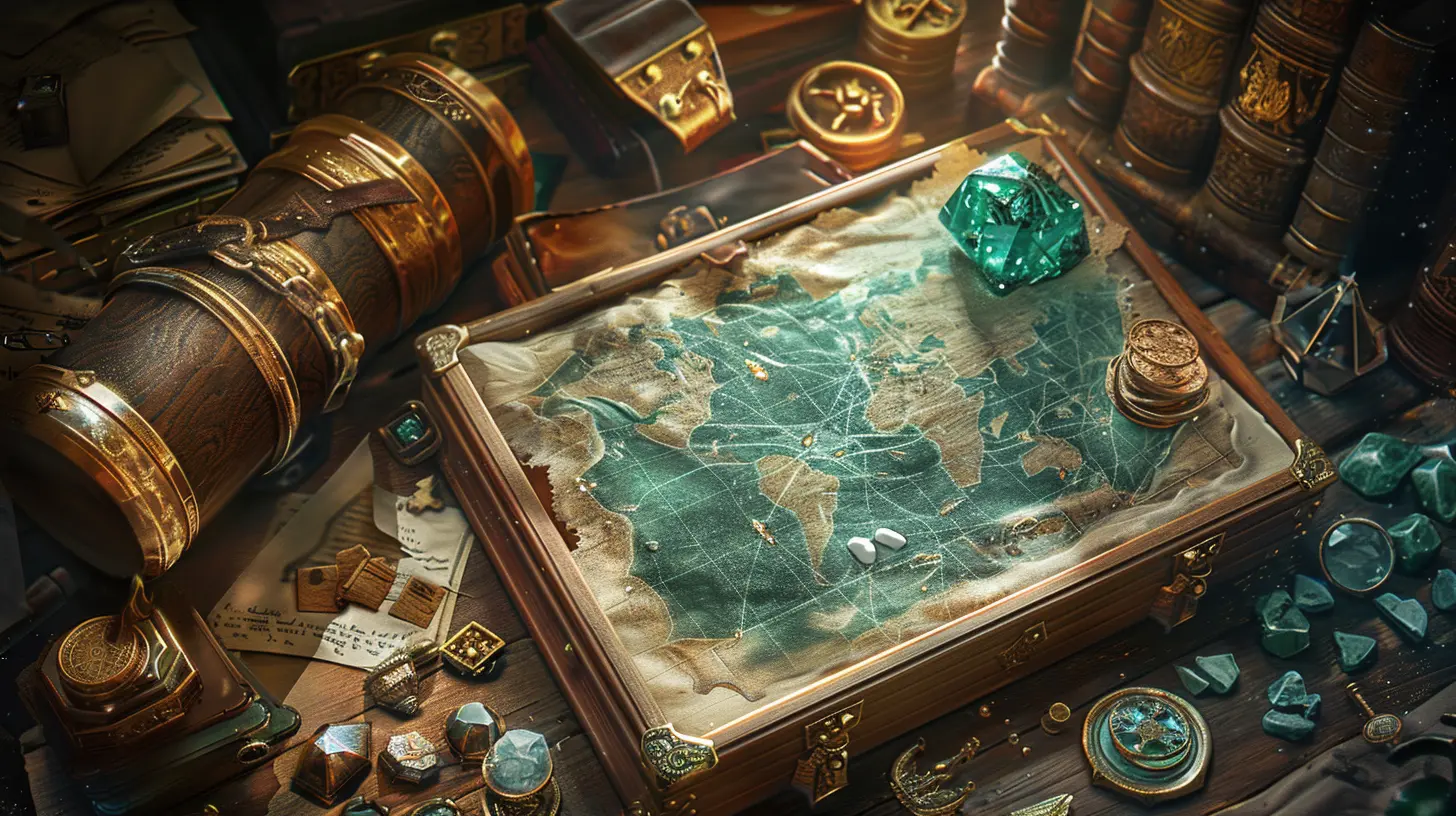
What Even Is Item Crafting?
Let’s set the stage. Item crafting in games is the process where players combine various resources—plants, ores, monster parts—into something new. It might be a potion, a weapon, or even a magical artifact. You’ve seen it in games like Minecraft, Skyrim, Monster Hunter, and The Witcher. Sometimes it’s basic, sometimes it’s deep and strategic, but it’s almost always a core part of gameplay.But here’s the twist: crafting isn’t just a tool for gamers—it’s a storytelling machine for developers.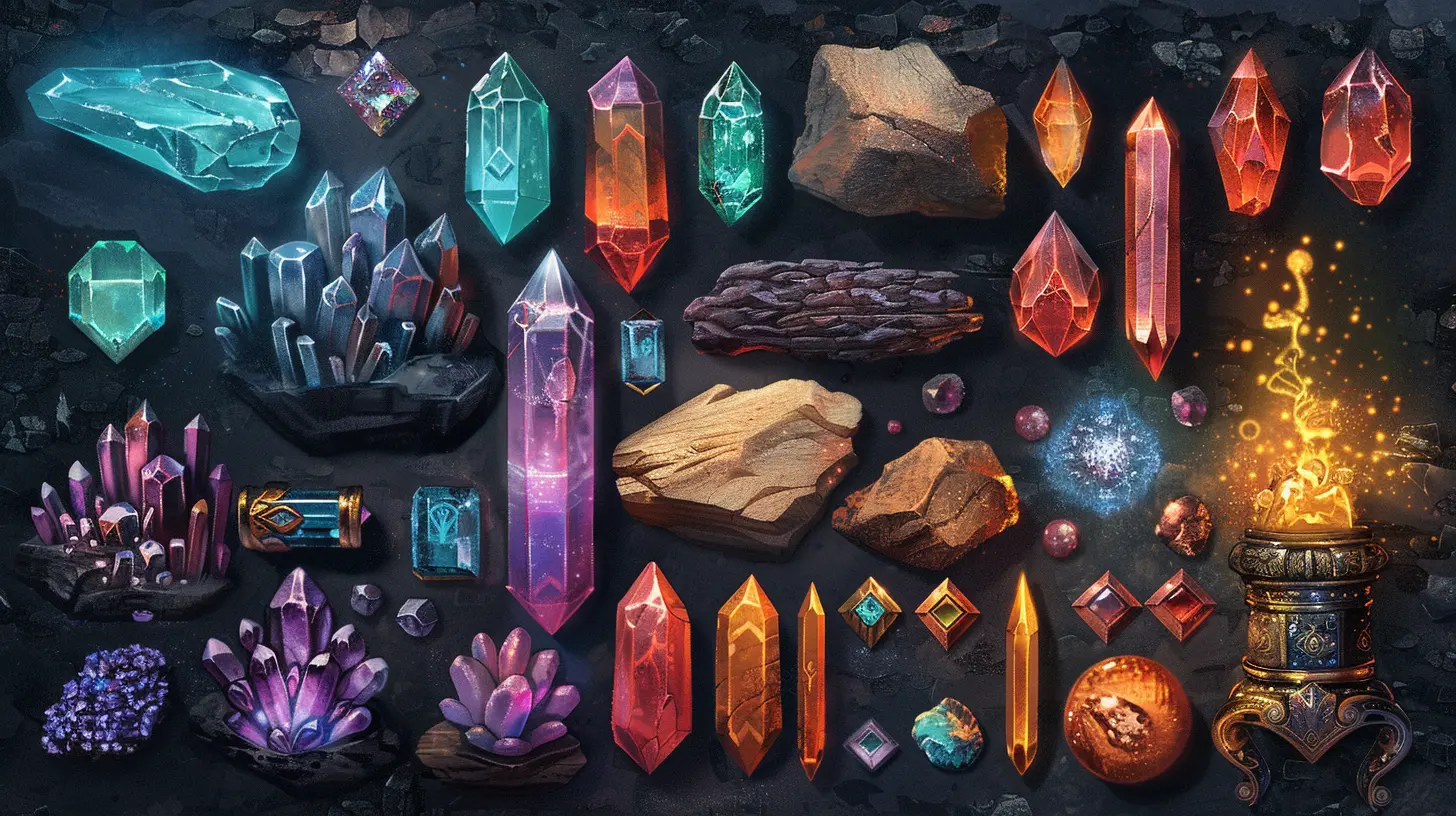
The Heartbeat of a World
Think of item crafting like the heartbeat of an RPG. It reflects the world’s culture, environment, history, and economy. How? Let me break it down.1. Culture and Tradition
Crafting systems can reflect a region’s beliefs and customs. Maybe a certain tribe mixes herbs in a ritualistic way that stems from their ancestors. Or maybe weapons forged in one city are curved because of a historical war tactic passed down generations.Imagine a desert city where water is scarce. Their potions aren't liquid-based but rely on sand-infused crystals. That’s not just a cool visual—it tells you about the climate, the people, and the value of water.
2. Economy and Trade
Crafting naturally ties into trade systems. If certain ingredients are only available in specific areas, it fuels trade. This kind of mechanic encourages players to explore, interact, and care about the world.Now picture a rare herb that only grows on a snowy mountain. That one ingredient can create a valuable potion sold for a fortune in lowland markets. Suddenly, merchants exist, smugglers operate, and quests sprout from this economic ripple effect.
3. Geography and Ecology
Crafting materials can tell players what kind of world they're in. Are there glowing mushrooms in dark caves? Are the forests filled with poisonous vines that also happen to cure paralysis?The way you gather items can reinforce how dangerous or magical an area feels. A jungle that houses venomous insects might also have plants that repel them—only found by observant players. That’s environmental storytelling at its finest.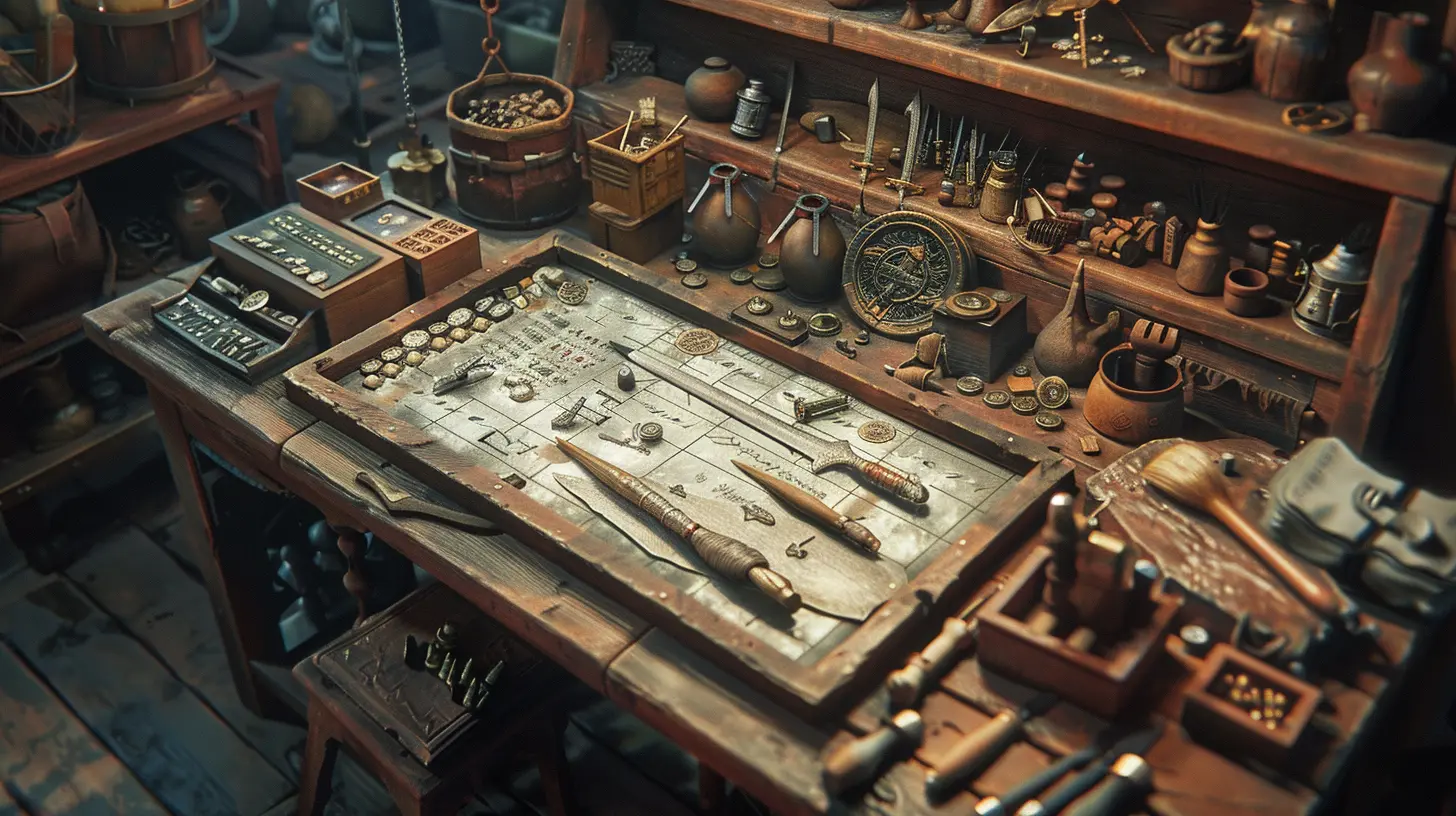
Telling Stories Through Items
Ever picked up a random item in a game and gone, “Hmm…what’s this used for?” That curiosity—that mystery—is gold. Smart item design lets players uncover details about the world without reading a single lore book.Signature Items with Lore
Think about unique crafted items that have a story behind them.Let’s say there’s a sword that requires three rare monster parts, only dropped at night under a blood moon. Instantly, players are wondering what's up with the blood moon. Why do monsters act differently? It pushes them into lore, into exploration, into caring about the world.
Recipes Passed Down Over Time
Recipes are mini-histories. A recipe from an extinct civilization could be rediscovered, giving players a glimpse into that era's culture. It's like unearthing buried treasure. That potion that cures dragon poison? Maybe it’s not just an item—it’s a thread that connects a forgotten war, an ancient people, and today’s conflict.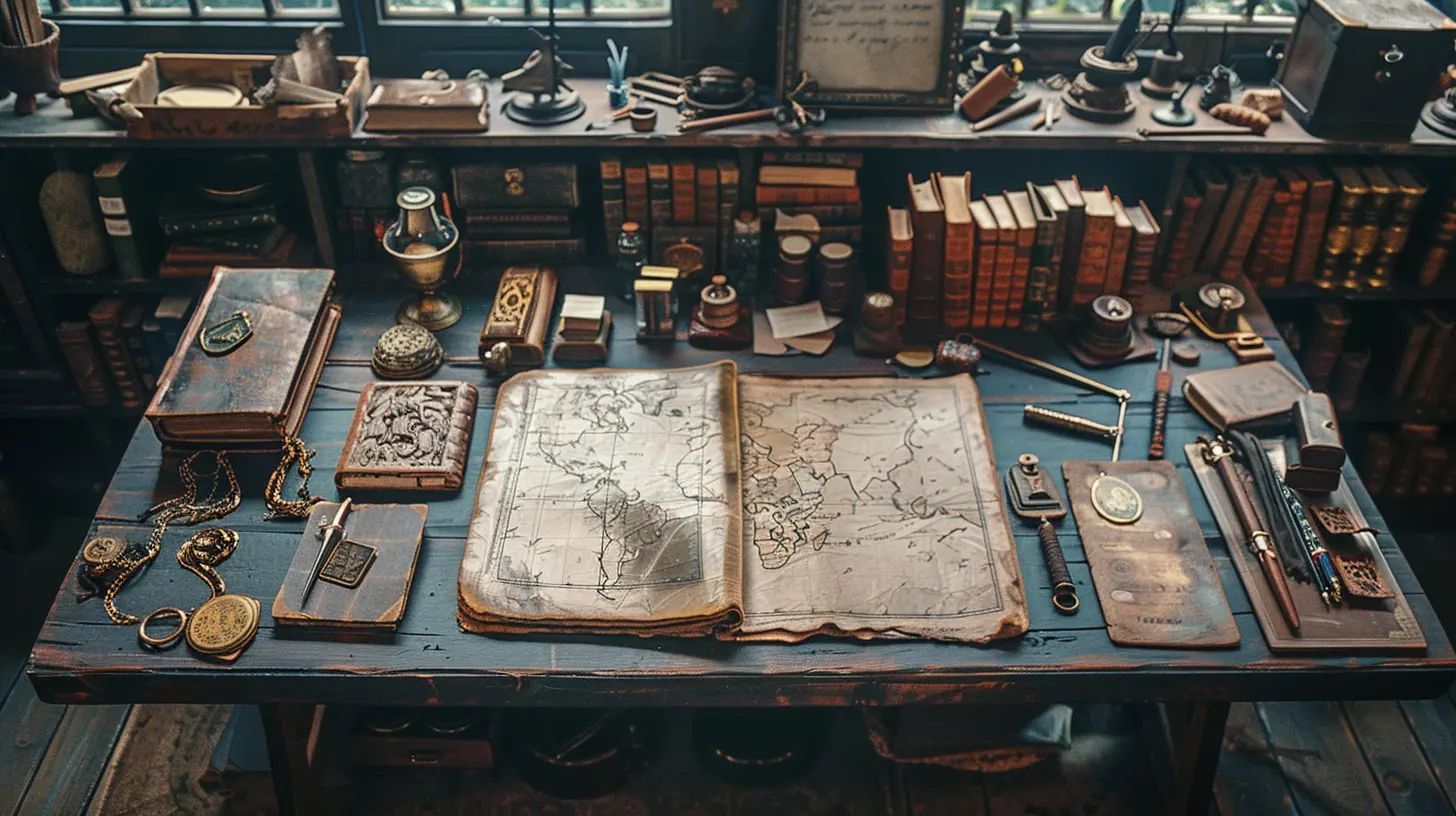
Crafting as a Social System
Item crafting also has the power to bring characters and communities together. Seriously, crafting isn’t a solo gig—it reflects collaboration, knowledge sharing, and cultural exchange.Guilds, Blacksmiths, and Mentors
When a game has NPCs tied to crafting—say, a grumpy blacksmith who teaches you to forge blades—it adds depth. These teachers aren't just there for utility; they’re characters with pasts, personalities, and possibly even secrets.Want more immersion? Let these NPCs have preferences. Maybe one refuses to work with monster parts. Another might only craft on full moons because of their spiritual beliefs. Suddenly, crafting becomes more than combining items—it becomes a bridge to the soul of the world.
Player Interaction
In multiplayer games, crafting can become a bustling economy. Players trade, barter, and specialize. You might know someone who’s the best armor crafter in town, and everyone flocks to them. That builds not just a world, but a community.Evolution of Crafting = Evolution of the World
A dynamic world means evolving recipes. As players progress, maybe recipes change. New factions may introduce new materials. Old methods might become obsolete. Just like in real civilizations, progress (and sometimes destruction) forces adaptation.Imagine a kingdom that’s destroyed mid-game. Suddenly, certain rare ingredients are lost forever, turning some crafted items into relics of a bygone era. That hurts a little, right? That’s world-building that stings in the best way.
Making Crafting Feel Meaningful
Let’s be real for a second—crafting can also suck. If it’s just filler, or if resources are meaningless, it ends up being a mindless button-mash. So how can game devs—or writers—make it actually matter?Tie Items to Player Choices
Crafting outcomes should reflect how the player interacts with the world. Did you kill the forest spirit? Now you can harvest her blossoms, but your weapon is cursed. Did you help her instead? She blesses your tools for life.Suddenly, crafting becomes a moral playground.
Limitations Breed Creativity
Don’t give players everything. Force them to make decisions. Can’t carry both ingredients? Choose. Don’t have the right tool? Find someone who does.Scarcity adds weight. It forces us to engage, to explore, to remember.
Examples From Popular Games Done Right
Let’s spotlight some heroes who nailed this.The Witcher 3
Crafting here isn’t just a mechanic—it’s a world design pillar. You gather monster parts that are specific and detailed. Crafting isn’t optional; it’s baked into the ecosystem. Potions require knowledge. Armor requires schematics and rare finds. It feels deep, connected, and insanely rewarding.Breath of the Wild
Every food item, elixir, or tool you make feels like a direct response to the world. Gearing up for a snowstorm? Better cook something spicy. The game never says “this is just a mechanic.” It says, “this is survival.”Monster Hunter Series
This one lives and breathes crafting. Hunting monsters fuels nearly every upgrade. Not only does crafting feel necessary, it also reflects the world’s culture—an entire society built around respecting and harvesting from the beasts around them.Crafting Systems to Avoid
We gotta talk about the other side, too.Ever played a game where crafting just felt pointless? Where items flood your inventory but rarely help? Where everything is either bland or too complex?
Yeah, don’t do that.
Avoid crafting systems that:
- Lack context (Why am I combining berries with teeth?)
- Have no consequences or stakes
- Offer no visual or lore payoff
- Flood you with junk items
Crafting should never feel like a chore. It should feel like a puzzle, a mystery, or a reward.
Final Thoughts: Crafting Is the Soul of Immersion
So here’s the truth: item crafting, when done right, blends mechanics and storytelling into one beautiful, seamless experience. It’s not just extra fluff—it’s a backbone for world-building.It invites curiosity, rewards exploration, and encourages connection. It tells players: “This world is alive, and you’re part of it.”
So whether you’re designing a game or dreaming up your next fantasy novel, don’t just ask, “What can players craft?” Ask, “What does this say about the world?”
The answer might just be the key to making your world unforgettable.
all images in this post were generated using AI tools
Category:
Item CraftingAuthor:

Tina Fisher