Item Crafting and Realism: Where to Draw the Line
15 January 2026
Item crafting. It’s the beating heart of many modern role-playing games, survival sims, and open-world adventures. From forging swords in Skyrim to gluing together Molotovs in The Last of Us, crafting systems can enrich gameplay or drive players to rage-quit, depending on how they're implemented. But there’s one big, burning question developers continue to wrestle with: how realistic should crafting be?
That’s no easy nut to crack. On one side, you’ve got realism purists who want to measure the durability of axe handles down to the wood grain. On the other, casual gamers just want to make cool stuff without needing a degree in metallurgy. So, where do we draw the line between realism and playability?
Let’s dive deep into the wild world of item crafting and unpack why this topic keeps sparking heated debates—and how developers can strike the delicate balance between immersive crafting and player sanity.
Crafting Systems: The Glue That Holds the Game Together
Let’s not downplay it—crafting is a big deal. It’s no longer just a side mechanic used to create potions or weapons. In today’s games, crafting is often central to the game loop. Look at games like Rust, Valheim, Minecraft, or Green Hell. Building, forging, and assembling your survival kit is core gameplay.Crafting gives players a sense of ownership. You’re not just looting better gear—you’re building it, piece by piece. You feel clever. Accomplished. Maybe even a little smug if you’ve just crafted something rare or super efficient. It’s empowering.
But when crafting swings too far towards "realism," that empowerment can quickly turn into frustration.
What Does “Realism” Even Mean in Crafting?
Alright, before we go casting stones, let’s get our definitions straight.When we talk about “realism” in video game crafting, we’re usually referring to how accurately game mechanics simulate real-world item creation. That might mean:
- Needing specific tools to create specific items
- Long, multi-step processes to make one simple object
- Managing things like temperature, material quality, or humidity
- Recipes that mimic real-world instructions
- Time-consuming procedures mimicking real-time labor
Sounds intense, right? And that’s because it is. But if not handled well, realism can suck all the fun out of crafting and turn it into a spreadsheet simulator.
The Beauty of Believability Over Brutal Realism
Let’s be honest: most players don’t sign up for a lecture in blacksmithing when they load up a fantasy RPG. They want the feeling of being a master crafter without having to melt iron ore themselves. Enter: believability.Believability is the sweet spot. It's not about being accurate—it’s about feeling accurate. Think of it like movie science. You don’t need the spaceship in Interstellar to be 100% NASA-approved; you just want it to make enough sense that it doesn’t yank you out of the story.
Same goes for game crafting. Players don’t mind suspending a little disbelief if the process feels logical, intuitive, and satisfying. You don’t need to grind wheat to make bread in The Witcher 3—but you do need flour and water. That makes sense, and it creates immersion without overwhelming you.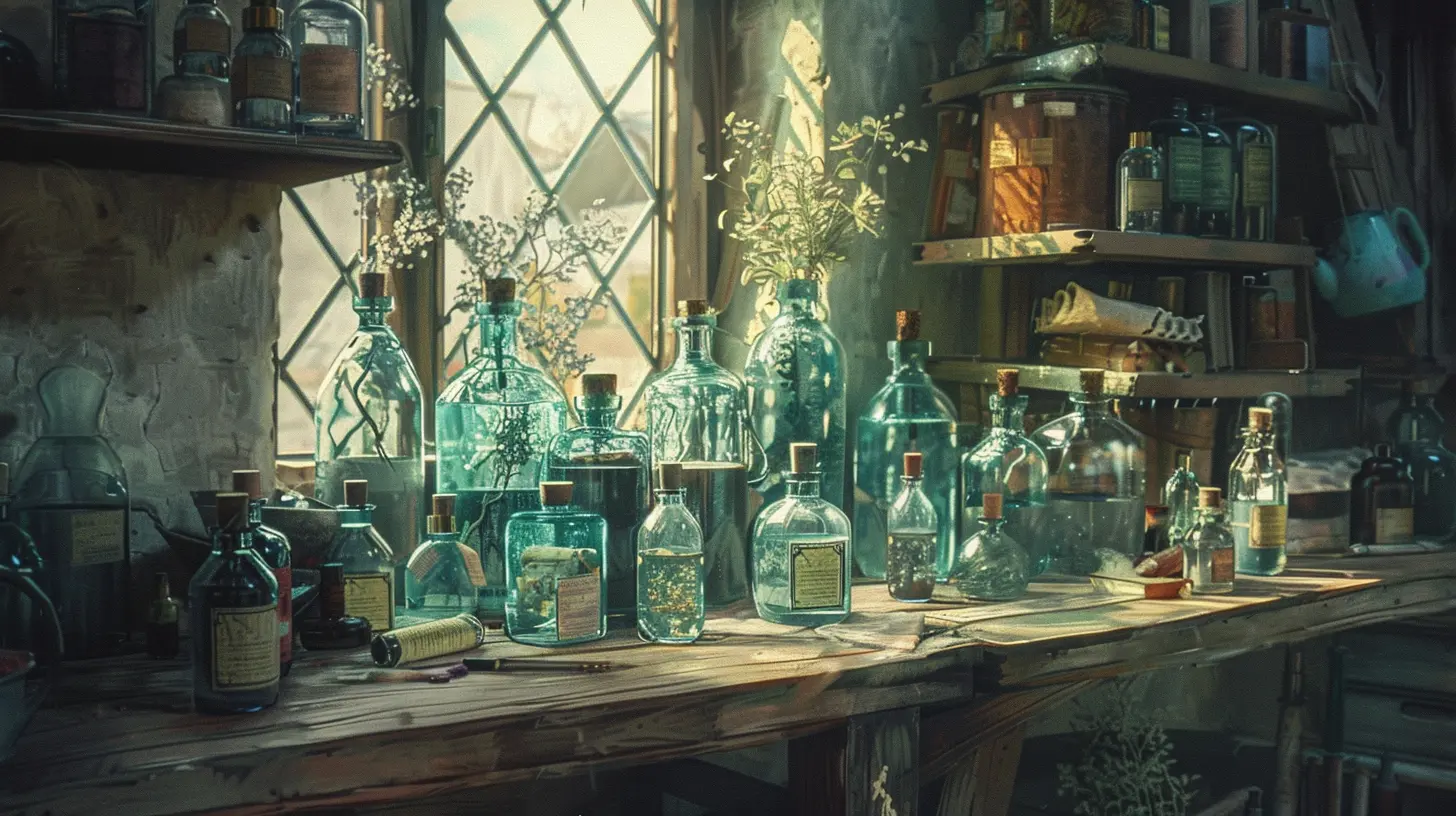
When Realism Becomes a Chore (And How Games Get It Wrong)
Let’s talk about where things can go off the rails.Some games push too hard for realism and forget they’re supposed to be fun. Picture this: you’re in a survival game, you need to make a campfire, and you’ve got wood, but now you need to craft kindling, then find dry moss as tinder, use a flint, hold the button for 10 seconds while “lighting” the fire—and oh, it’s raining so it gets extinguished a second later.
Sounds familiar? That’s not immersive—it’s exhausting.
Games like Green Hell and SCUM are incredibly detailed, which appeals to hardcore players, but they can be overwhelming for newcomers or casual players who just want to get to the next story beat.
Too much realism can turn crafting into busywork. And nobody logs into a game for chores (we’ve got enough of those IRL, thank you very much).
When Simplicity Wins: The Power of Streamlined Crafting
On the flip side, too little realism makes crafting feel like an afterthought. In some games, you just click a button and—voilà!—a rocket launcher appears in your inventory. No effort. No emotional payoff. Just instant gratification.Now, for some games, that’s fine. Arcade-style games or fast-paced shooters don’t need crafting systems bogged down with realism. But for games that promise deep survival or world-building mechanics, oversimplifying crafting can break immersion and rob players of a rewarding experience.
Great examples of streamlined—but still believable—crafting include:
- Valheim: You gather core ingredients, unlock recipes naturally, and the process is simple yet satisfying.
- Horizon Zero Dawn: Crafting ammo and traps is quick, and materials are logical (metal shards, wire, etc.).
- The Forest: Combines realism with usability. You craft weapons and tools logically but without overwhelming steps.
These games understand that crafting should enhance the gameplay loop—not dominate it.
The Role of UI & Visual Feedback in Crafting Realism
You know what really helps blur the line between realism and fun? A good user interface (UI).Even if the crafting process is realistic and multi-layered, a smart UI can make it digestible. Visual cues, recipe trees, and intuitive categorization help players understand what goes where and why.
Consider Subnautica. The game’s futuristic logic keeps things simple. You still feel like you’re crafting high-tech gear, but the game doesn’t make you question every step. That’s because the UI handles all the complexity behind the scenes.
Visual feedback—like animations or sounds—also plays a huge role. Watching a blacksmith hammer glowing metal feels powerful and immersive, even if you’re not actually controlling every move. That illusion of control is the golden middle ground between crafting realism and playability.
Player Motivation: Why Do We Even Want to Craft?
Here’s a curveball—what drives players to engage with crafting systems in the first place? Understanding that helps developers know how far realism should go.Players craft because:
- They want to survive (in survival games)
- They want better gear (RPGs)
- They enjoy collecting and optimizing
- They want ownership and autonomy
- They’re completionists
If realism enhances those motivations, great. If it gets in the way? It’s gotta go.
Nobody’s going to enjoy a crafting system that feels like it’s trying to teach them a trade. It should serve the gameplay, not sabotage it.
Crafting in Multiplayer vs. Single Player: Realism’s Double Standard
Multiplayer games throw another twist into the realism debate.In single-player games, crafting can be slow and methodical—it’s all about immersion. But in multiplayer games, too much realism can create imbalance or slow down the pacing.
Imagine waiting 15 in-game minutes for a sword to finish forging while your teammates raid a dungeon without you. Not fun.
Games like Rust use realistic crafting timers but balance it with progression systems to keep players engaged. Others, like ARK: Survival Evolved, lean more toward convenience because pace is key when you're trying to stay alive while being hunted by giant dinosaurs.
It’s all about context. Realism might be fine in solo sessions where pacing is flexible, but in competitive arenas, gameplay flow should take priority.
So, Where Do We Actually Draw the Line?
This is the money question. And spoiler: there’s no one-size-fits-all answer.But here's the golden rule: crafting should feel rewarding, not punishing.
🎯 Draw the line when realism stops enhancing immersion and starts creating friction.
If a realistic step makes the process feel more engaging or meaningful, keep it. But if it’s just a time sink, ditch it. Your players will thank you.
Ask these three questions:
1. Does this step add depth or just delay?
2. Will players understand why it matters?
3. Is the payoff worth the effort?
If the answer is “no” to any of those, you’re better off faking it with believable shortcuts.
Final Thoughts: Crafting Your Perfect Game Loop
At the end of the day, crafting systems should support the core fantasy your game is selling. Are you a lone survivor fighting nature? A magical alchemist? A futuristic engineer? Let the setting and player fantasy drive how deep you go into realism.The best crafting systems feel like a puzzle you want to solve, not a math exam you’re forced to take. They give you tools, encourage creativity, and make you feel clever when you unlock that next-tier item.
So game devs, as you ask yourselves “how real is too real?”—remember, you're not just crafting weapons and potions.
You're crafting experiences.
all images in this post were generated using AI tools
Category:
Item CraftingAuthor:

Tina Fisher
Discussion
rate this article
2 comments
Willow McInerney
This article beautifully captures the delicate balance between realism and fun in game crafting. Your insights remind us that while immersion is important, it's the joy of creation that keeps us engaged. Thank you for this thoughtful perspective!
January 25, 2026 at 5:06 AM
Tina Fisher
Thank you for your kind words! I'm glad you found the balance between realism and fun in crafting to be well captured. Your engagement with the topic is appreciated!
Kyle Bailey
Balancing item crafting and realism is crucial for immersive gameplay. While realism enhances authenticity, it can hinder creativity and player engagement. Developers should focus on innovative systems that encourage exploration while maintaining a sense of believability within the game's world.
January 18, 2026 at 5:02 AM
Tina Fisher
I completely agree! Striking the right balance between realism and creativity in item crafting is essential for immersive gameplay. Innovative systems can enhance exploration while keeping the game world believable.