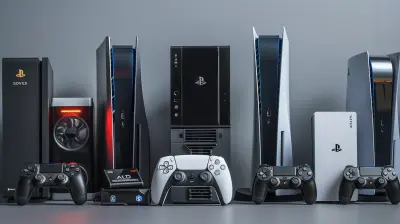
How VR Is Making Gaming More Inclusive
2 August 2026
Virtual Reality (VR) is no longer just a futuristic fantasy—it’s here, and it’s changing the way we play games in massive ways. But beyond cool graphics and immersive experiences, there’s something even more exciting happening. VR is breaking down barriers and making gaming more inclusive for everyone.
That’s right. It's not just about blowing your mind with tech anymore. It's about opening doors for people who were previously left out of the gaming world. So, how exactly is VR making the gaming universe a more welcoming place? Let's dive in.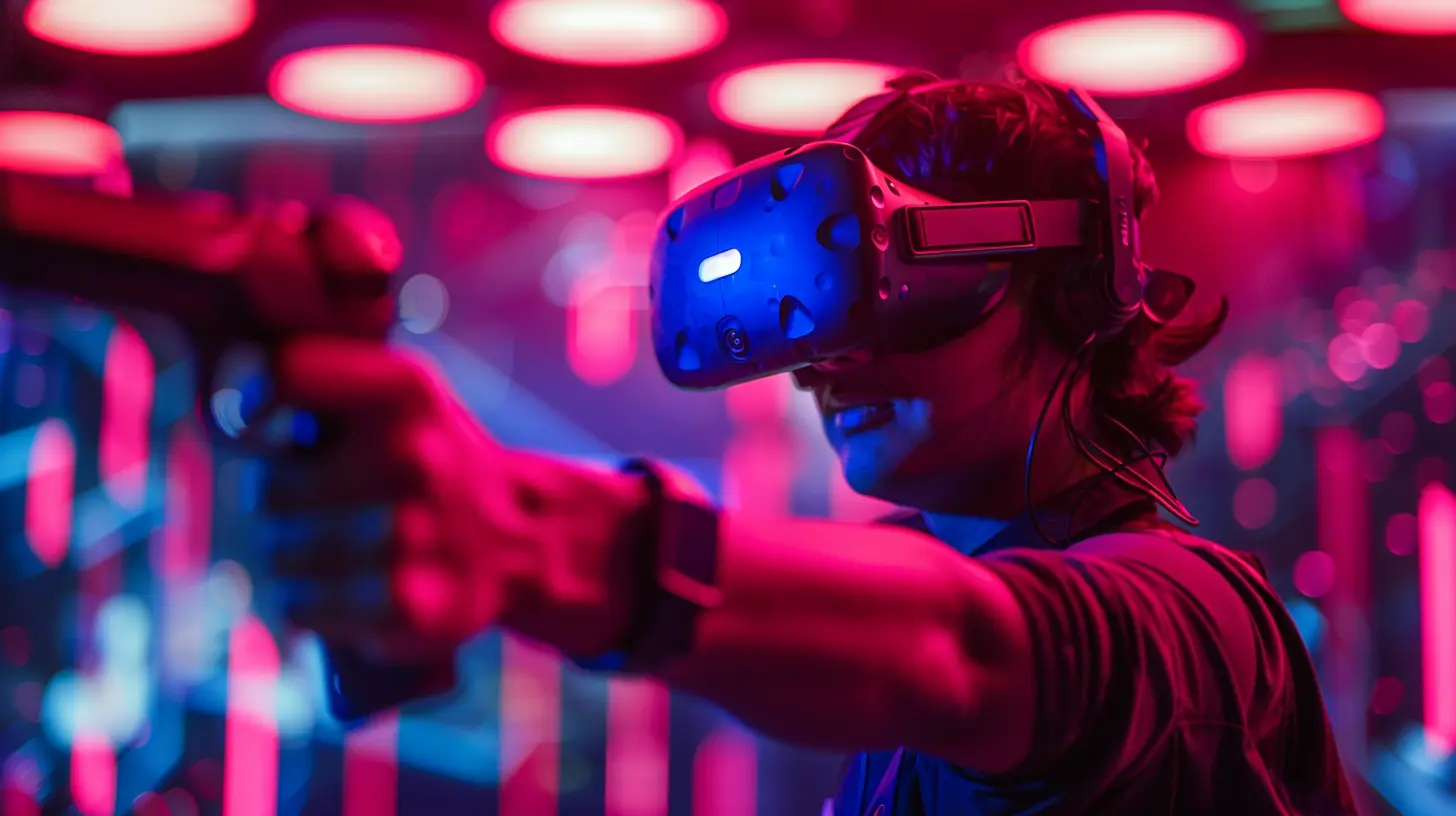
The Gaming World Wasn’t Always Inclusive
Before we can really appreciate what VR is doing, we've got to talk about what came before. Traditionally, video games were built around a specific type of player: someone who had all physical abilities, decent hand-eye coordination, and the capacity to sit down holding a controller for hours. Sound familiar?If you didn’t fit into that mold, you might have found gaming frustrating—or even inaccessible entirely. For people with disabilities, limited mobility, cognitive challenges, or even just social anxieties, the traditional setup was a serious roadblock.
But now, VR is flipping the script.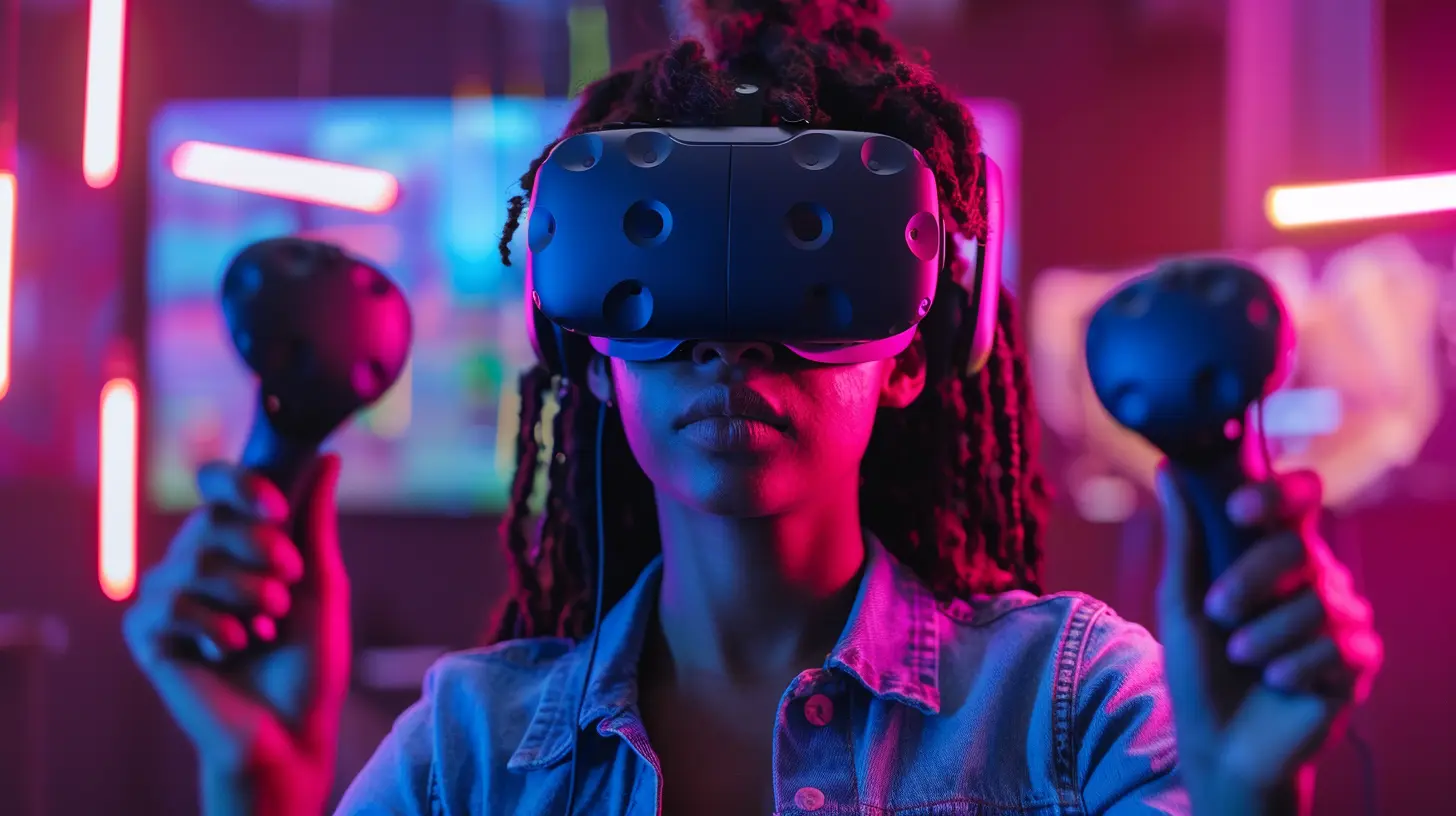
VR Levels The Playing Field
At its core, VR is about immersion. Instead of using a controller to control a character on a 2D screen, you’re stepping inside the game. That shift from outside observer to active participant changes everything.And guess what? That lets more people join the fun.
A big win here is the physical adaptability of VR. With various input methods—like motion sensors, voice commands, eye tracking, and even adaptive controllers—games are becoming accessible to players with different physical abilities. You’re not stuck with “one size fits all” anymore.
Example: Motion Control for Limited Mobility
Let’s say someone has limited use of their hands. In the past, using a classic controller might have been nearly impossible. But now, with VR systems like the Oculus Quest or Valve Index, they can use motion tracking to interact in more natural ways. They can swing a sword using broader gestures, move using gaze tracking, or customize their settings to suit their mobility.That’s massive. It’s not just game-changing—it’s life-changing.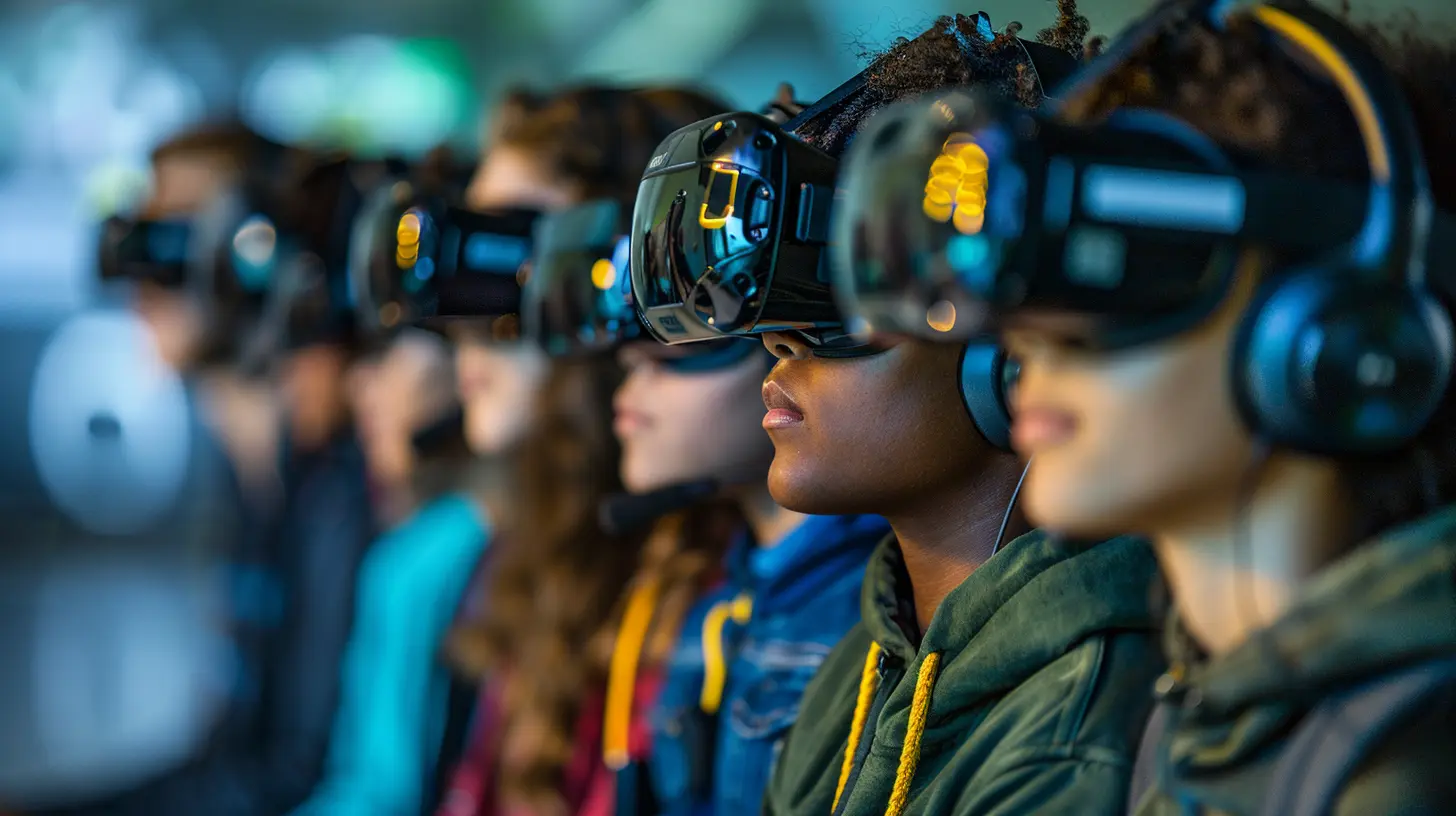
VR Gives Players More Ways to Communicate
Gaming isn’t just a solo activity anymore. Multiplayer and social gaming is huge, but communication in traditional setups—with microphones or text chats—can be a barrier. Some players may be non-verbal or struggle with speech impairments, or they might have social anxieties that make live voice chat uncomfortable.VR platforms often include avatars that can express emotions through gestures, postures, or body language. That means players can "talk" without ever saying a word. It sounds simple, but being able to express yourself and interact in a game—even nonverbally—can make a big impact.
Virtual Avatars = Empowerment
Think about it. In real life, someone might be in a wheelchair, but in VR, they can run, jump, or fly. They can shape their avatar however they want—strong, agile, funny, tall, colorful, whatever. In VR, your identity isn't defined by your physical challenges. You're just a player, like everyone else.That kind of empowerment is priceless, especially for young gamers who might feel excluded in the real world.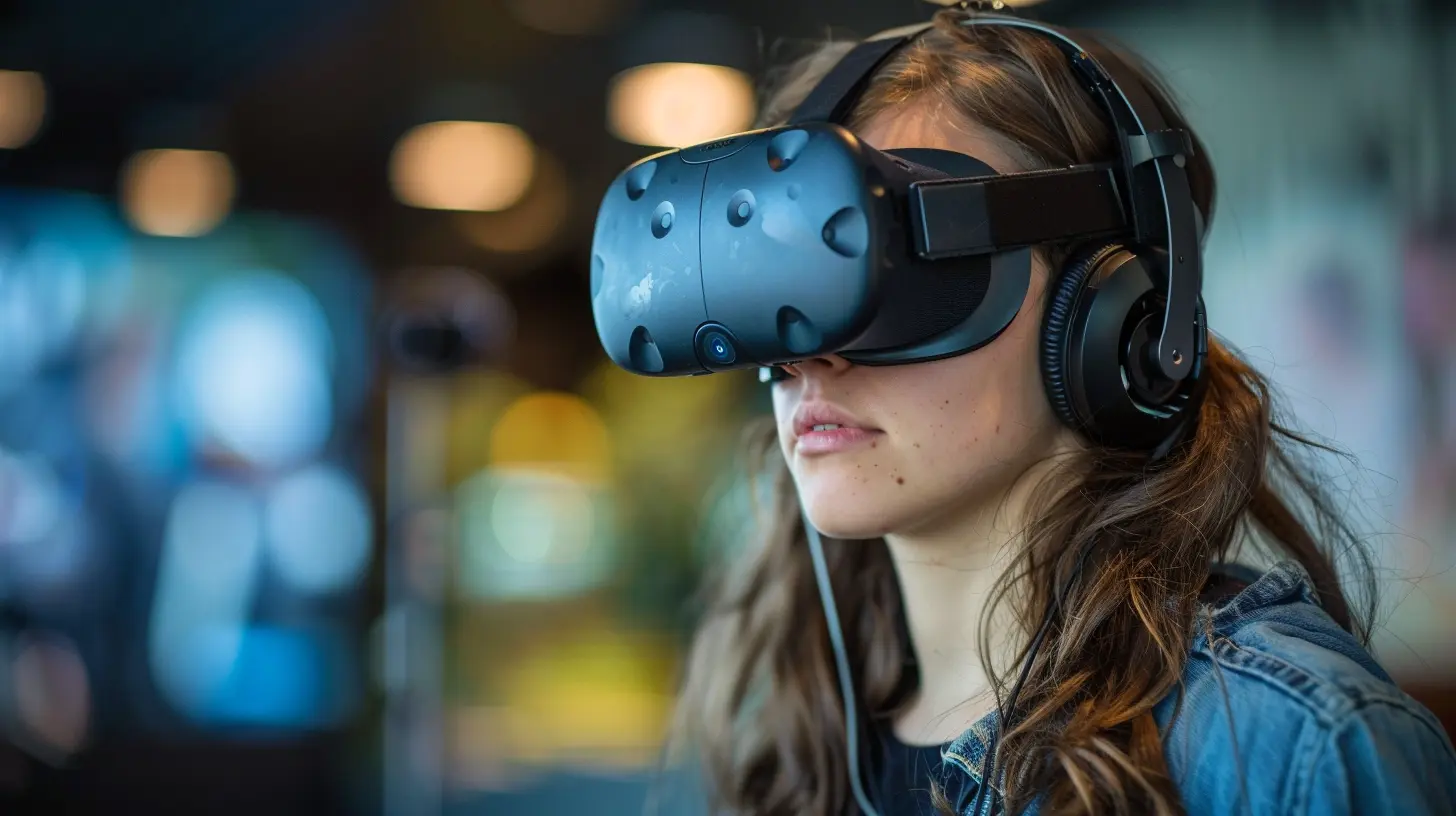
Tackling Cognitive Diversity With VR
Inclusion isn’t just about physical accessibility. VR is also helping people with cognitive differences—like autism, ADHD, or even PTSD—engage with games on their terms.Some VR games are designed with calming environments, slow-paced interaction, and customizable sensory input, which can help reduce overstimulation and anxiety. Others offer practice for real-world situations, like social interaction or navigating unfamiliar spaces, in a safe and controlled setting.
Learning Through Play
Let’s not forget that games are an incredible tool for learning. VR opens the door to "gamified therapy," where learning and improving skills happens inside a fun, engaging game instead of a dry classroom. That alone can make gaming more appealing and accessible to a wider group of people.VR Tech Is Getting More Customizable
One of the big reasons VR is leading the charge in inclusivity is because it’s so customizable.Whether someone needs high-contrast visuals because of poor eyesight, larger fonts for reading, or more audio feedback for navigation, VR games can be tailored. Developers are starting to realize that accessibility isn’t just a “nice-to-have” feature—it’s essential.
Voice Commands and Eye Tracking
These aren’t just bells and whistles. For some gamers, they’re the gateway into the gaming world. Eye tracking, for example, can allow someone to select items or move their character just by looking in a certain direction. That’s sci-fi becoming real-life helpfulness.Inclusive Game Design: A Rising Trend
Let’s give a shoutout to the developers who are leading this charge. They’re working hard to make VR games accessible from the ground up, not just as an afterthought.Here’s the cool part: making a game more inclusive usually makes it better for everyone. Think about curb cuts on sidewalks—they were made for wheelchair access but end up helping parents with strollers, bikers, and even skateboarders. The same thing happens with inclusive design in games.
When developers build with accessibility in mind, more people get to have more fun. Win-win, right?
Community Support and Social Inclusion
It’s not just the tech that’s changing—VR communities are evolving too. In virtual spaces like VRChat, AltspaceVR, or Rec Room, people build friendships, host meetups, and hang out in digital worlds. And these communities can be especially powerful for people who feel isolated in the real world—whether due to disabilities, gender identity, race, or location.Safe Spaces In VR
VR has the power to create safe spaces where people can be themselves, make friends, and feel a sense of belonging. That type of inclusion is just as important as technological access. It’s about building a culture of kindness, curiosity, and open-mindedness.Of course, like with any online space, moderation and safety tools are important too. But when these are in place, VR becomes a place where everyone can feel seen, heard, and valued.
Affordability Remains A Barrier—But It's Shrinking
Okay, let’s address the elephant in the room: VR gear isn’t cheap. For a long time, high costs have been a barrier for many people, especially marginalized groups.The good news? Prices are starting to come down. Headsets like the Meta Quest 2 are making VR more affordable, and as technology advances, we can expect even more budget-friendly options to hit the market.
Plus, there are growing efforts by organizations and nonprofits to provide VR equipment to underserved communities. The more people who get access, the closer we get to a truly inclusive gaming world.
The Future of Inclusion in VR Gaming
We're only scratching the surface of what VR can do for inclusivity. As the tech gets better and more developers jump on board with accessible game design, the possibilities are endless.Could we see fully voice-controlled games for visually impaired players? Absolutely. Will we have VR titles designed specifically for neurodiverse players? Already happening. And as AI gets smarter, it might even help adapt games in real-time to meet each player's needs.
The most exciting part? The players who were once left out are now becoming creators, influencers, and leaders in the VR space. They’re not just being included—they’re shaping the future of gaming itself.
Final Thoughts: VR Is Changing Lives, Not Just Games
Look, VR isn’t perfect. There are still challenges around cost, motion sickness, and content availability. But it’s doing something that traditional gaming platforms struggled with for decades—it’s welcoming more people into the fold.So whether you're a lifelong gamer or someone who thought gaming wasn’t for you, VR is opening the door. It's turning “you can’t” into “why not?” and transforming gaming from a closed club into a global, inclusive playground.
And that, my friend, is what the future of gaming should look like.
all images in this post were generated using AI tools
Category:
Vr TechnologyAuthor:

Tina Fisher