How VR Could Change the Way We Think About Game Genres
17 April 2026
Virtual Reality (VR) is no longer just a sci-fi fantasy or a toy for tech enthusiasts. It's quickly evolving into one of the most transformative technologies in the gaming world. But here's the catch—VR isn't just changing how we play games. It's changing how we define them. In other words, the rise of VR could completely upend the way we categorize and experience game genres.
Let’s face it, we’ve all grown up with the usual labels: FPS, RPG, Strategy, Adventure—you know the drill. But what happens when you’re no longer watching your character from a screen, but standing in their shoes? What happens when you're physically dodging bullets, casting spells with real hand gestures, or solving puzzles in a 3D space with your body as the controller?
Buckle up, because we’re diving deep into how VR is flipping the script on traditional game genres, and what that could mean for the future of gaming.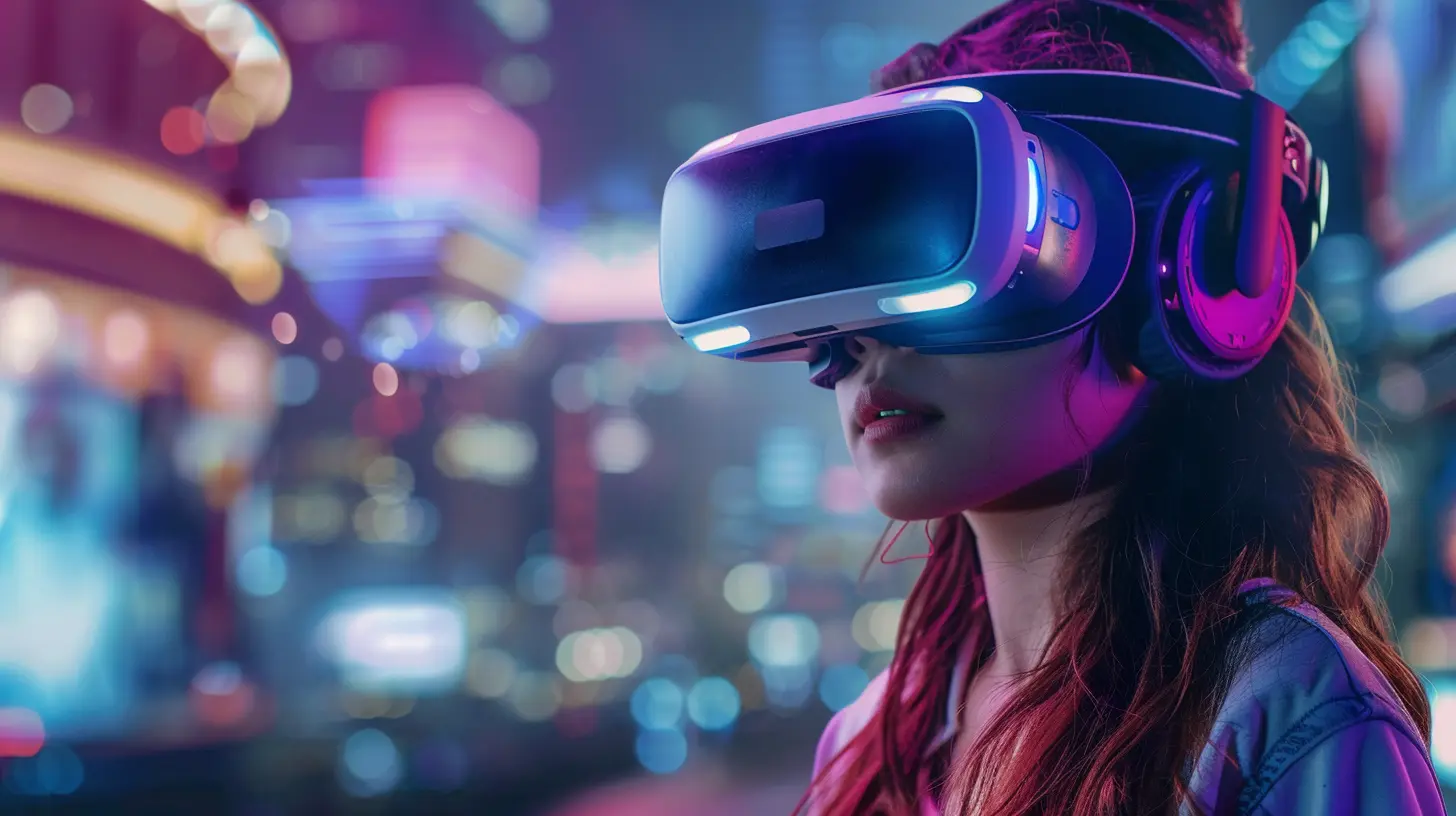
The Evolution of Game Genres: A Quick Recap
Before we get into the VR side of things, let’s rewind a bit. Game genres have always been a kind of shorthand—for developers, publishers, and players alike. They help us know what to expect. If you hear “FPS,” you're thinking guns, fast action, and likely a multiplayer mode. “RPG”? Probably stats, choices, and a good chunk of story.These genres were built around the limitations and strengths of 2D screens, controllers, and keyboards. But VR breaks those rules.
The moment you strap on a headset, you're no longer looking at the game. You're inside it.
So it makes sense that the old genre labels might not hold up anymore.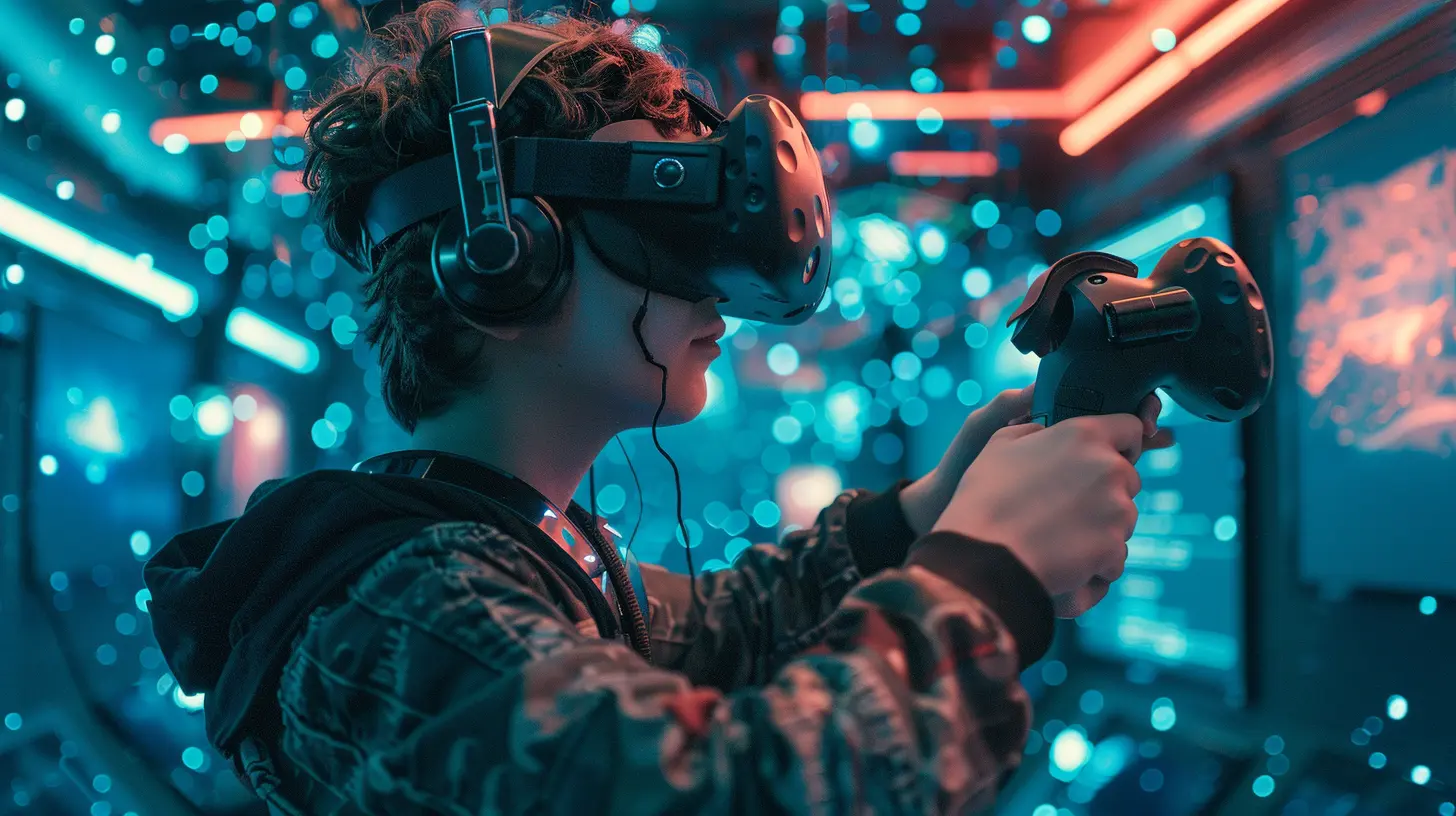
Immersion Changes Everything
The biggest thing VR has brought to the table is immersion. It’s not just a buzzword. Immersion in VR is visceral. You’re not just pressing a button to duck—you’re physically crouching to avoid getting hit. That simple shift changes how we interact with mechanics, with environments, and with narrative.Think about horror games. On a flat screen, they can be spooky. In VR? They’re downright terrifying. Why? Because your brain is tricked into thinking the threat is real. That jump scare isn't just visual or auditory. It feels like it’s happening to you.
This heightened sense of reality changes how genres function. A horror game in VR might bleed into the survival genre, or even physical endurance. Suddenly, the classic genre boundaries start to blur.
VR Blurring Genre Lines
Let’s break this idea down even further: VR blurs the genre lines in multiple ways. Here’s how.1. Action Games Become Physical Workouts
Beat Saber is probably one of the most famous VR games out there. Technically, it’s a rhythm game. But try playing it on Expert mode for 30 minutes—it quickly feels like a cardio session.So now we’ve got a rhythm game that’s also a fitness game. Is it action? Is it music-based? Is it sports? The answer is... yes. All of the above.
In VR, traditional gameplay mechanics become physical experiences. Slashing, throwing, dodging, punching—all of these go from button presses to real-life action. This makes classification tricky. Is a game like Superhot VR an FPS? Or is it a puzzle game? Or is it just a slow-motion kung-fu simulator?
VR messes with genre definitions because it turns ideas into experiences.
2. RPGs Become Story You Live Through
Role-Playing Games involve stepping into a character's shoes, right? In VR, you literally step into them. Games like The Elder Scrolls V: Skyrim VR put your whole body into the world—physically swinging swords, casting spells, or interacting with NPCs face-to-face.Suddenly, RPGs become more than just dialogue trees and stat sheets. They become immersive theater. You play a role not through dialogue options, but through your physical presence and decisions.
This level of embodiment starts to merge RPGs with adventure games, interactive fiction, and even live-action role-play. So, what genre is it now?
3. Strategy and Puzzle Games Trigger Multi-Sensory Thinking
There’s something fascinating about how VR lets you interact with environments using both hands. Games like I Expect You To Die or Tetris Effect VR push your brain into unfamiliar territory. They’re not just tests of logic—they’re tests of spatial awareness, timing, and even emotional regulation.In flat games, puzzles are mental. In VR, they engage your full body, reflexes, and intuition. So what used to be a “puzzle game” now overlaps with simulation, immersion-based storytelling, and even physical play.
Genres that used to be defined by passive observation become active, bodily experiences.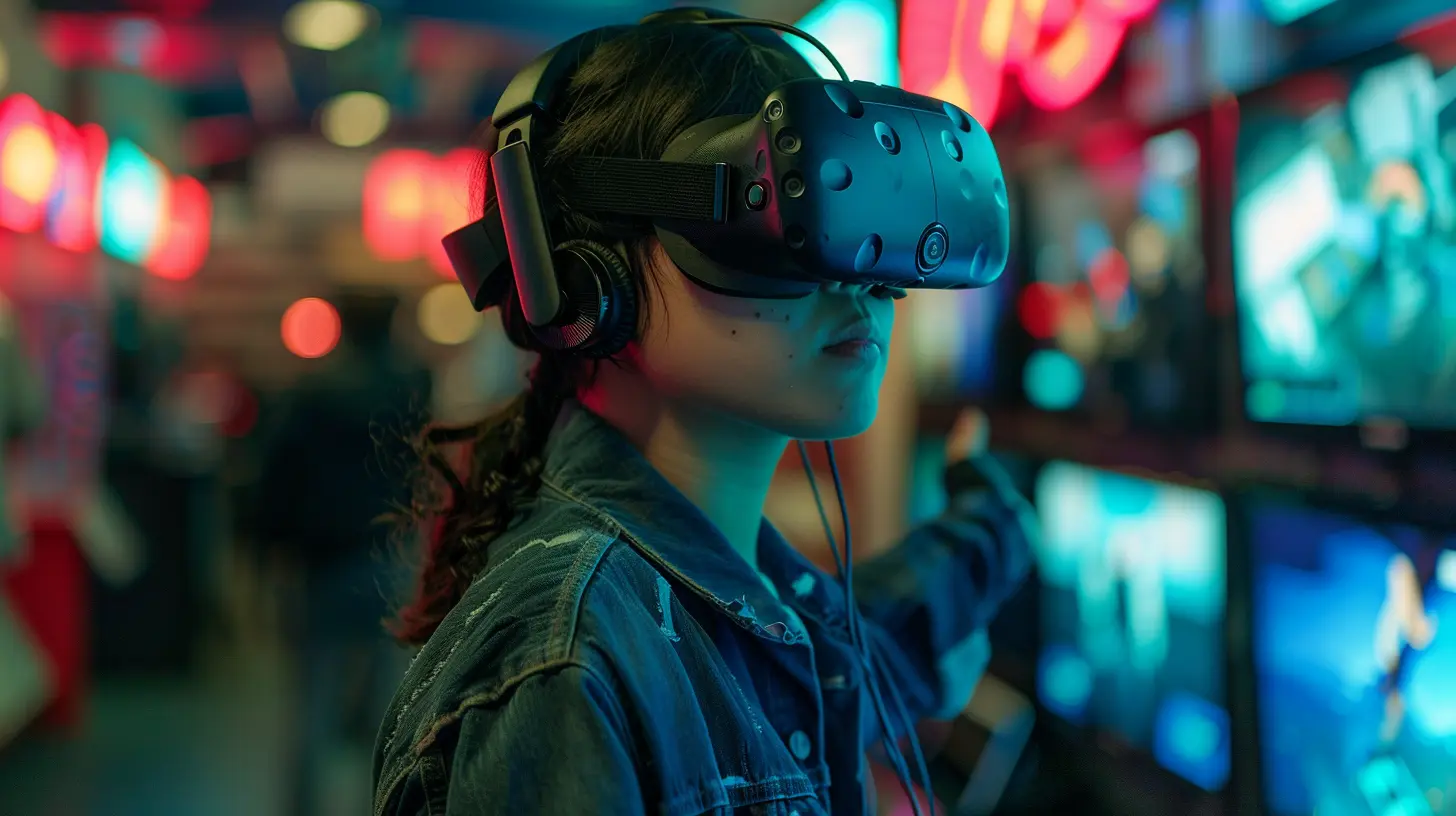
The Rise of Hybrid VR Genres
Because of all this blending, we’re starting to see the rise of “hybrid genres” in VR. Terms like:- VR Escape Games
- Immersive Simulations
- VR Horror-Fitness
- Embodied Puzzles
- Narrative Interactives
These aren’t just buzzwords. They reflect how difficult it is to pigeonhole VR experiences within traditional labels.
It’s like trying to define TikTok as just a “social media platform.” Sure, technically it is. But it’s also short-form video, music, memes, education, and more. VR is doing something similar to gaming.
New Opportunities for Game Designers
VR doesn’t just mess with genre definitions—it opens new doors for creators.1. Emotional Storytelling
VR allows for emotional proximity. You stand next to characters. You look into their eyes. You hear their voices in 3D space. This intimacy allows developers to create stories that aren’t just watched or heard—but felt.This could birth an entirely new genre: Emotional VR. Think of it as the gaming version of theater meets psychology. The kinds of stories you’d see in indie dramas could become powerful, first-hand experiences in VR.
2. Sandbox Creativity Expanded
Building and creating in VR feels completely different than using a mouse. Games like Tilt Brush or VRChat show how creativity tools can become full-blown experiences. These aren't quite art apps, and they aren't quite games.Imagine a new genre focused purely on world-building, shared spaces, and digital artistry. Something that blurs the line between game and platform—a genre born from the player’s creativity.
Are Old Genres Still Relevant?
Now, before we completely toss out the old-school genre system, let’s be real: categories still help. Not everyone wants the full VR immersion experience. Some folks just want to shoot stuff or solve puzzles. And hey, that’s totally valid.But VR shifts the focus from “what kind of game is this?” to “what kind of experience is this?” And that’s a pretty big change.
Genres may still exist in VR, but they won’t be rigid boxes. They’ll be more like fluid spectrums, allowing games to pull from multiple influences based on how they want you to feel and interact.
So... What's the Future Look Like?
Honestly? It’s pretty exciting. VR is at a stage that feels a bit like the early days of the internet—messy, experimental, but full of potential. As hardware improves, prices drop, and more creators join the fray, we’re going to see entire new genres bloom that we can’t even name yet.Imagine:
- VR therapy games that blend narrative, psychology, and relaxation
- Full-body cooperative puzzle adventures
- Immersive journalism or historical recreations
VR could stretch the idea of what a “game” even is. We might need a whole new vocabulary to talk about this stuff because the old terms just won’t cut it.
Final Thoughts: Are You Ready to Rethink Gaming?
If you’re a gamer, a developer, or just someone fascinated by the future, now’s the time to start paying attention. VR isn't just a new way to play games—it’s a new way to think about them.The next generation of gamers might not ask, “What genre is this game?” They might ask, “What will I feel? What will I learn? Who will I be in this world?”
That’s a massive shift—and it’s one that could make traditional genres feel like relics of a flat-screen past.
So, are genres dead in VR? Not yet. But they’re definitely getting a makeover. And honestly, we're here for it.
all images in this post were generated using AI tools
Category:
Vr TechnologyAuthor:

Tina Fisher
Discussion
rate this article
2 comments
Calaris McPhail
Imagine battling dragons while sipping coffee on your couch! VR might just turn every genre into an immersive adventure. Who knew RPGs could feel like real-life quests? Let the game genre mash-ups begin! 🎮✨
April 20, 2026 at 3:19 AM
Tina Fisher
That sounds incredible! VR has the potential to blend fantasy and reality in ways we never imagined. Can't wait to see how these mash-ups evolve!
Misty Beck
This article insightfully explores the transformative potential of VR in redefining game genres. By immersing players in multifaceted experiences, VR blurs traditional boundaries, paving the way for innovative storytelling and gameplay mechanics that challenge our perceptions of gaming.
April 18, 2026 at 4:23 AM
Tina Fisher
I'm glad you found the article insightful! VR's ability to reshape our understanding of game genres is truly exciting, and I appreciate your thoughts on its impact on storytelling and gameplay.