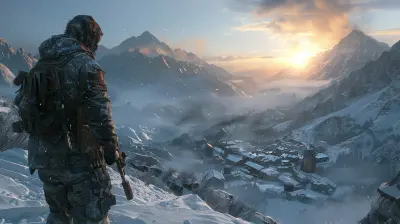
How Virtual Reality is Revolutionizing Multiplayer Games
2 May 2026
Let’s face it—games are no longer just games. They’re digital playgrounds, online battlefields, living worlds, and social hubs. In this era of gaming, one technology is practically flipping the entire script: Virtual Reality (VR). Especially when it comes to multiplayer games, VR is changing everything—and we’re here for it.
Whether you’re swinging swords with buddies or painting galaxies with strangers across the globe, VR is redefining how we connect, compete, and communicate in games. So, buckle up—we’re diving headfirst into how virtual reality is revolutionizing multiplayer games, and trust me, it’s wild.
What is Virtual Reality in Gaming?
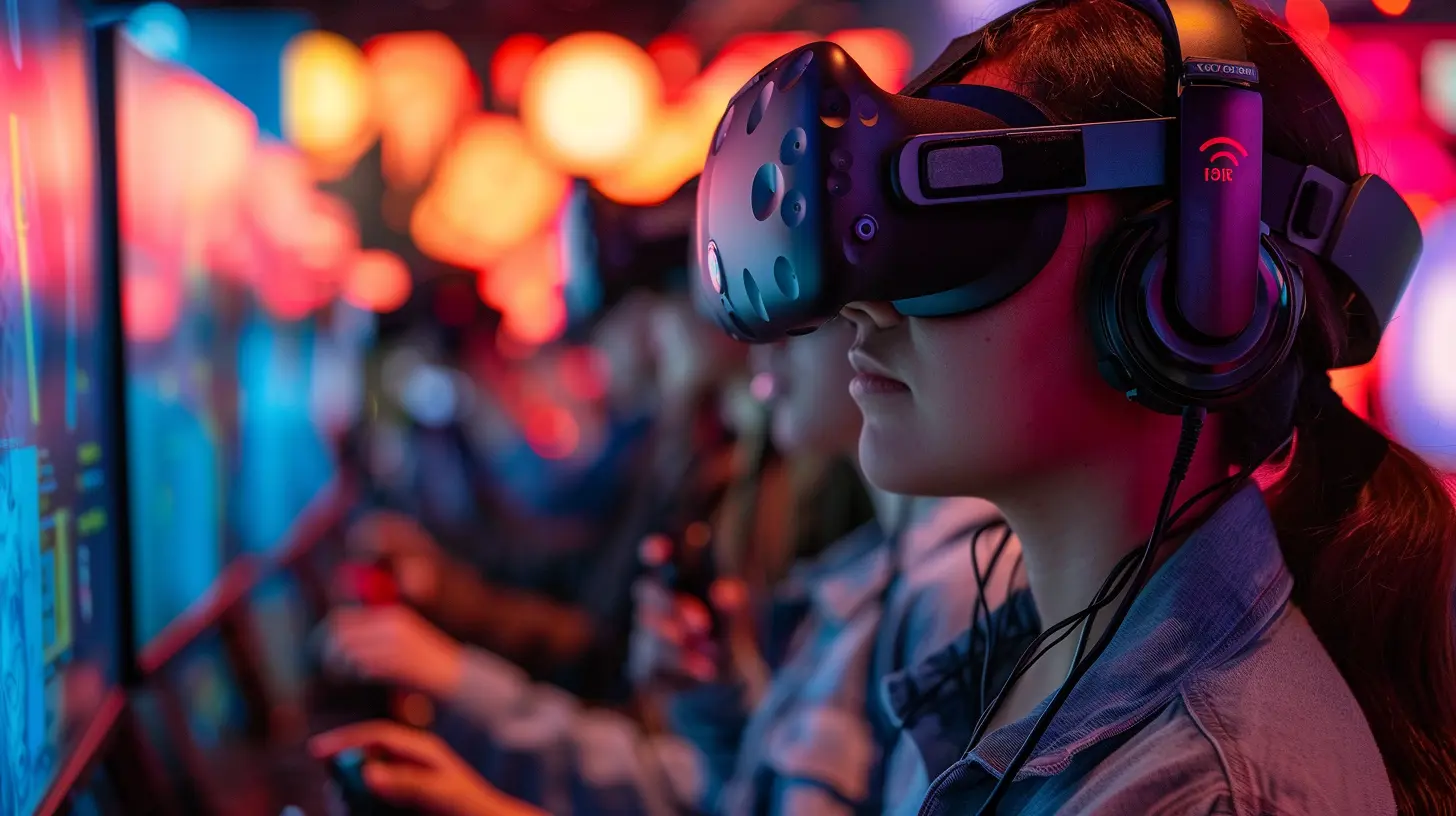
Alright, let’s start from square one. VR in gaming isn’t just strapping on a headset and watching pretty graphics float around. Nope. It’s about stepping into an entirely immersive world where you can interact with environments, characters, and other players like never before.Think of VR as jumping through your screen and landing smack in the middle of the action. If traditional gaming is like watching your favorite action movie, VR gaming puts you in the lead role. Cool, right?
The Rise of Multiplayer VR Games
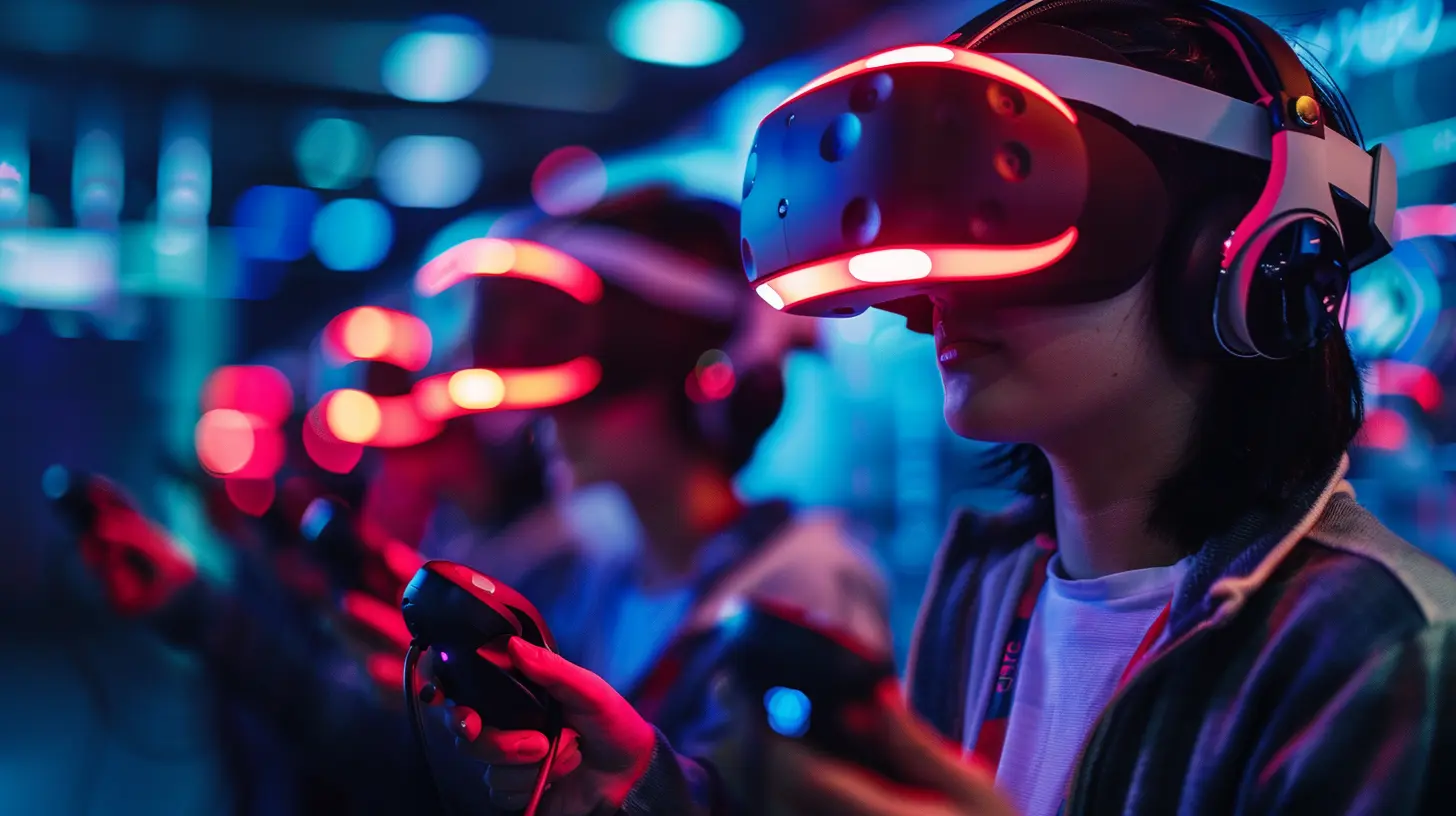
Remember the good old LAN party days or late-night Xbox Live marathons? Now imagine that, but with an extra dimension—literally. Multiplayer VR games have exploded in recent years, thanks to advances in hardware, faster internet speeds, and a growing hunger for more immersive social experiences.Games like VRChat, Rec Room, Pavlov VR, and Echo VR (RIP, we miss you) aren’t just games. They’re full-on social ecosystems where players talk, cooperate, compete, and even throw virtual dance parties.
The Allure of Shared Presence
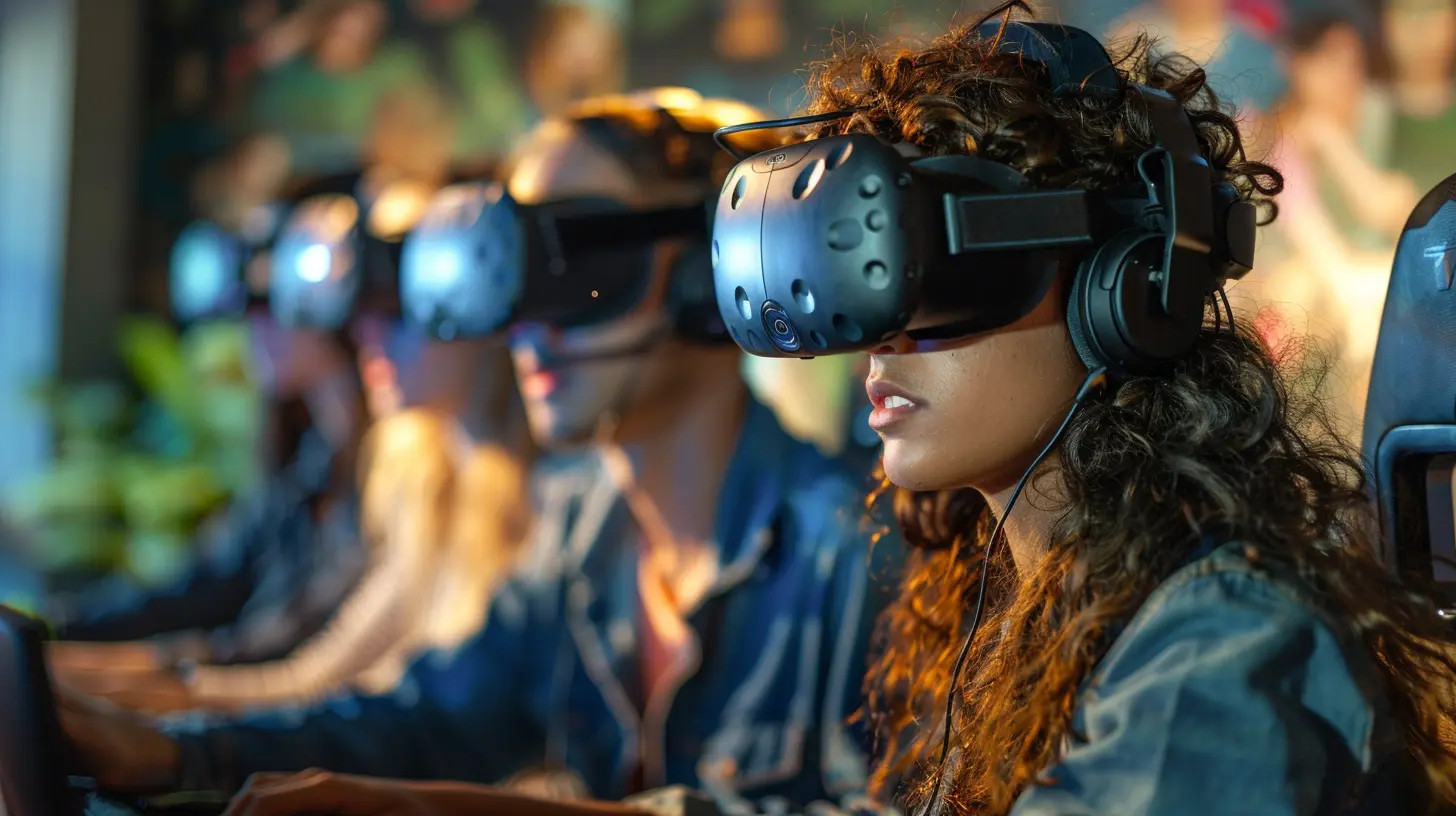
What makes multiplayer VR games so special? It’s something called ‘presence.’ In non-tech speak, it means actually feeling like you’re there, with others. When you're in VR, your brain is tricked into thinking you’re physically present in another world. Add in other people—your friends, strangers, teammates—and now you’re not just gaming, you’re hanging out.That sense of presence takes teamwork, competition, and even casual conversation to a whole new level. You’re not just pressing buttons—you're making eye contact, throwing high-fives, dodging bullets, and maybe even doing a little Fortnite floss if you’re feeling bold.
How VR Enhances Multiplayer Gameplay
So what makes VR multiplayer feel so next-level? It’s all in the interaction.1. Full-Body Interactions
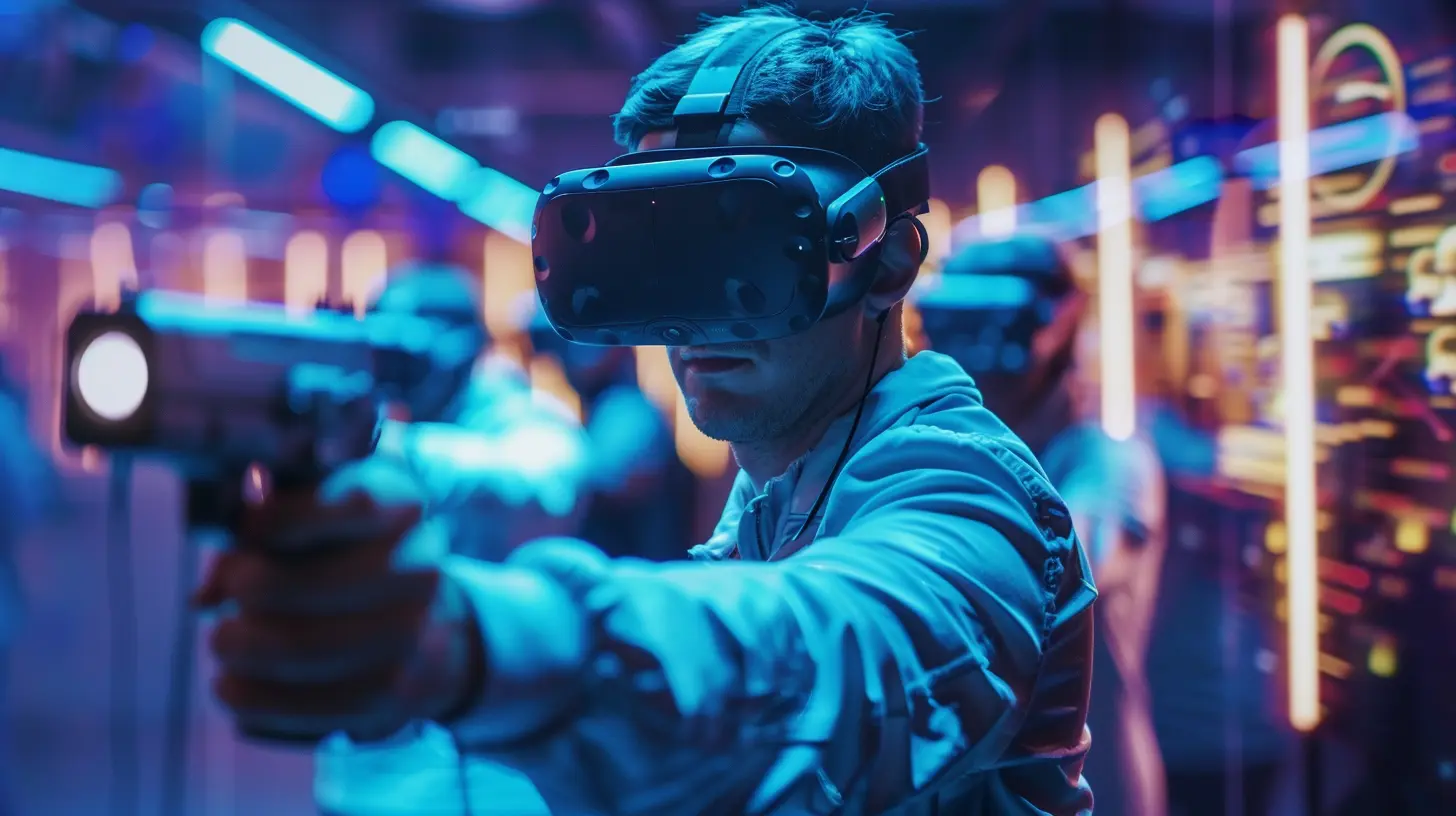
Most modern VR systems track your head and hands, and with accessories like foot trackers or body suits, you can move your entire body in-game. That means you can crouch behind cover, swing a sword, throw a grenade, or dance like nobody’s watching (even though they probably are).This physicality adds a massive layer of realism and strategy to multiplayer games. Shooting in a VR battle royale isn’t just point-and-click—it’s aim, stabilize, fire, duck, reload... all like you would in real life.
2. Voice and Spatial Audio
Voice chat is old news, but in VR? It hits differently.Spatial audio means you hear players based on their position around you. If a teammate is behind you, their voice actually sounds like it’s coming from behind. That makes coordination more natural and disorienting moments more intense. Wanna whisper a plan in someone’s ear or shout a warning during a zombie raid? You can.
3. Gestures and Expressions
Let’s talk body language. In normal games, communication is pretty limited—maybe a few emotes, some quick typing, and if you're lucky, voice chat. In VR, your hands, head, and sometimes your face are all part of how you communicate.Wave at players to say hi, high-five after a win, or raise your hands to surrender. These little touches make the interaction feel way more human. It’s like the difference between texting someone and having a face-to-face convo. Night and day.
Social VR: Gaming Meets Hanging Out
One of the coolest things about multiplayer VR experiences? You don’t always have to be playing a “game.”Virtual Hangouts & Events
Platforms like VRChat or AltspaceVR blur the line between game and social space. People host events, attend virtual concerts, or just chill at digital cafés. These aren’t "games" in the traditional sense—they’re more like spaces where people can hang out, talk, and connect.These experiences became even more mainstream during lockdowns. People went on VR dates, hosted birthday parties, and caught up with long-distance friends—all inside a headset. Talk about next-level Zoom calls.
Custom Worlds and User-Generated Content
VR's social experiences are often powered by player creativity. In Rec Room, for example, users build their own games and environments. One day you might be in a sci-fi shooter, the next you’re playing paintball on a pirate ship someone made in their basement. It’s like YouTube, but instead of watching content, you’re living in it.Competitive Multiplayer: eSports in VR
Now, I know what you’re thinking: "Yeah, social VR sounds fun, but what about hardcore gaming?"Don’t worry—VR’s got plenty of competitive juice.
VR Shooters and Battle Games
Games like Pavlov VR, Contractors, and Onward are tactical, realistic and demand serious reflexes. These aren’t your typical run-and-gun shooters. They require real aiming, reloading, and strategy. Playing competitively in these environments is more intense because you’re physically in the action. Your body is the controller.eSports and VR Tournaments
VR doesn’t just offer casual fun—it’s carving out a space in eSports too. Tournaments with games like Echo Arena and Beat Saber (competitive rhythm mayhem) attract pro players and spectators alike. And watching a VR eSport is a spectacle of its own—kind of like watching a mix between Olympic fencing and Star Wars.Pro tip? If you're gonna compete in Beat Saber, warm up your arms. Seriously.
Challenges Holding VR Multiplayer Back
It’s not all neon lights and epic sword fights, though. VR multiplayer, as amazing as it is, still has a few hurdles to clear.Hardware Costs
Let’s be real—the price of VR equipment isn’t exactly budget-friendly. You need a capable headset, possibly a strong PC, and enough room to swing your arms around without destroying your mom’s vase. That barrier keeps a lot of potential players out of the loop.Motion Sickness
Some people just can’t handle motion in VR. It’s like jumping on a roller coaster in your living room—minus the wind in your hair. Developers are doing better with this over time, but it’s still a dealbreaker for many.Longevity and Game Support
Not every VR multiplayer game sticks around. Some (like Echo VR) get shut down by developers due to low player bases or high maintenance costs. That can be a bummer, especially for games people have poured hours into.The Future of VR and Multiplayer Gaming
Still, despite the road bumps, the future of VR multiplayer looks incredibly bright. Let’s peek into the crystal ball for a sec.Cross-Platform Integration
With tech giants investing big bucks into the metaverse, cross-platform multiplayer is becoming a real focus. That means console, PC, and VR players could all be diving into the same game world. The walls are coming down.Haptic Feedback and Full-Body Suits
Think virtual paintball where you actually feel the hits. Haptic suits and gloves are in development, and once they become mainstream, multiplayer games will get a massive realism boost. You’ll punch, kick, and maybe even get a buzz when someone tags you in dodgeball.AI Integration
Expect smarter opponents, dynamic game worlds, and AI-driven teammates who can actually help instead of running in circles. VR combined with AI could make teamwork with bots so natural, you might forget they’re not human.More Affordable and Access-Friendly Devices
As more people jump into VR, costs will drop. Lighter headsets, wireless systems, and all-in-one units (like Meta Quest) are already doing the heavy lifting toward making VR more accessible.
Final Thoughts
Multiplayer gaming has always been about connecting people, competing for fun (and bragging rights), and creating shared experiences. Virtual reality? It's just the newest, most immersive way to do all of that—and then some.It makes games feel real. It turns strangers into teammates. It creates memories that are as vivid as real-life hangouts—and sometimes even more so.
Sure, we’ve got a few tech kinks to work out. But from where we’re standing (in a digital forest, holding a laser sword, high-fiving a robot), the future of multiplayer gaming looks insanely fun.
So, are you game?
all images in this post were generated using AI tools
Category:
Vr TechnologyAuthor:

Tina Fisher
Discussion
rate this article
2 comments
Isaiah Mahoney
Virtual reality transforms multiplayer experiences, making them incredibly immersive.
June 3, 2026 at 4:16 PM
Tina Fisher
Absolutely! Virtual reality adds a whole new level of engagement, making players feel like they are truly part of the game world together.
Nym Richardson
VR is changing everything.
May 5, 2026 at 3:19 PM
Tina Fisher
Absolutely! VR brings a whole new level of immersion and interaction that transforms multiplayer experiences. It's an exciting time for gaming.