How Virtual Reality Is Expanding the Definition of Gaming
21 March 2026
Gaming has come a long way since the days of Pong and pixelated adventures. We’ve traded in joysticks for motion sensors, keyboards for haptic gloves, and flat screens for entire digital worlds. One of the biggest game-changers (pun totally intended) in this evolution? Virtual Reality (VR). What once seemed like a sci-fi dream is now shaking up the gaming industry, blurring the lines between what’s real and what’s imagined.
In this article, we’ll dive deep into how virtual reality is flipping the script on traditional gaming, expanding both the definition and the experience of what it means to “play.”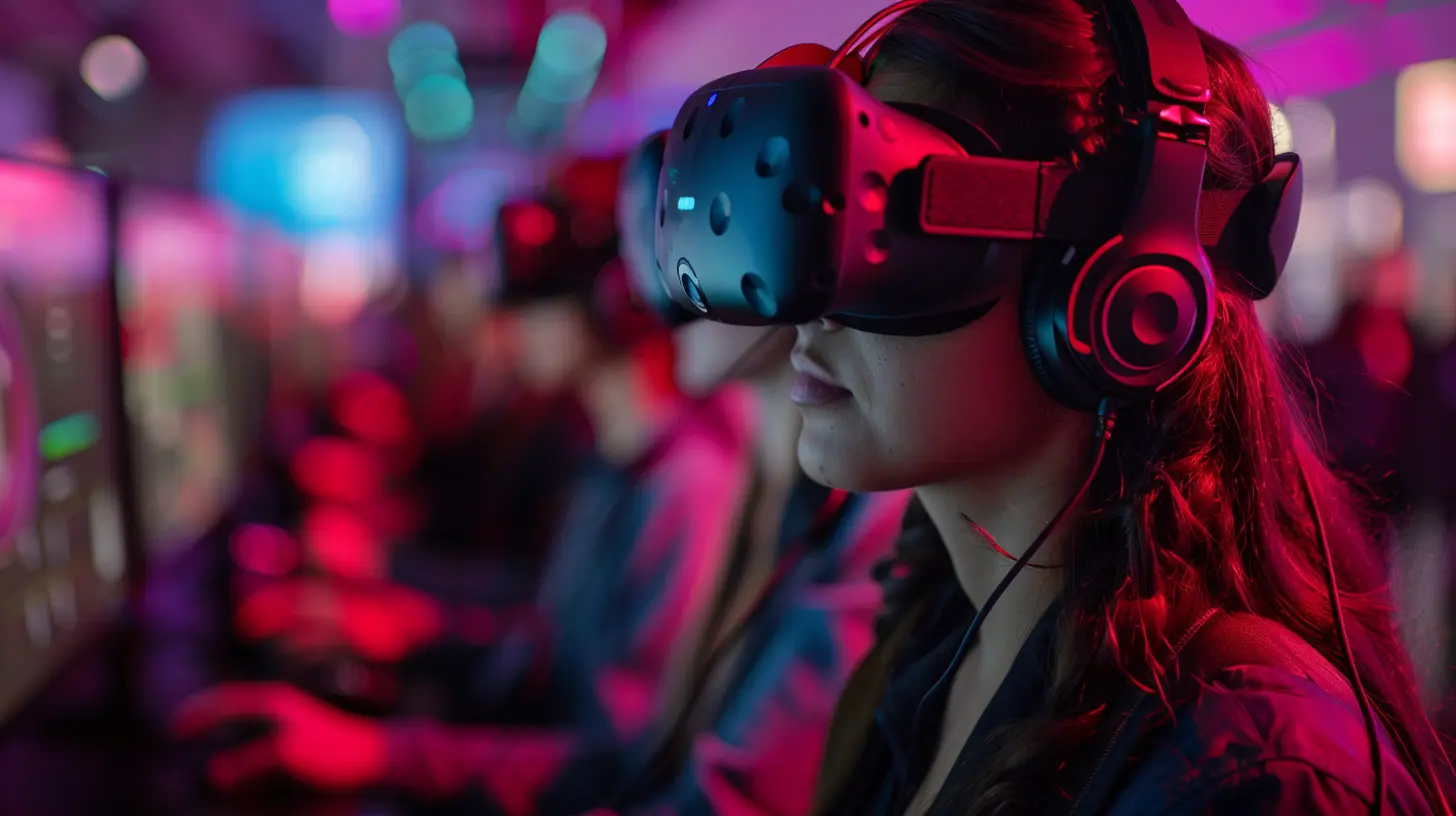
A Quick Look Back: Gaming Before VR
Before we go full-on Tron, let’s rewind a bit. Traditional gaming—whether it's on consoles, PCs, or even mobile—is a largely two-dimensional, screen-based affair. Plotlines are scripted. Movements are controlled with a few buttons. And while some games can be incredibly immersive (looking at you, Witcher 3), they still keep players on the outside looking in.Now, enter VR. Suddenly, you’re not just playing a game; you’re inside it.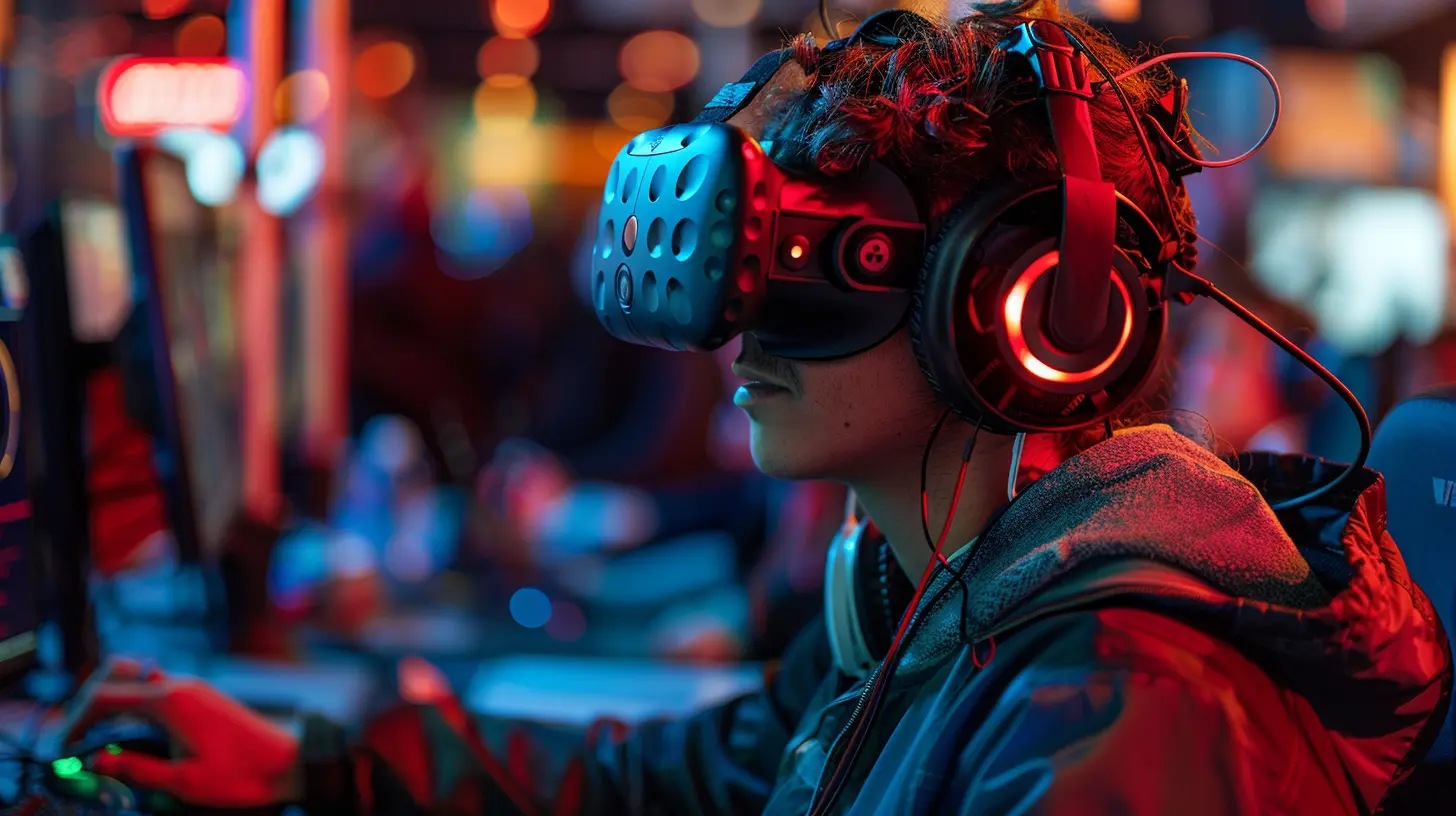
Immersion Like Never Before
Let’s be honest—there’s only so immersive a standard screen can get. VR steps in and throws that limitation out the window.Beyond Just Watching
In VR, you're not an outsider staring at a screen. You're the main character. When you put on a headset, you're transported—whether it’s to an alien planet, a haunted mansion, or the middle of a zombie apocalypse. You can turn your head and actually look around. Duck to dodge an attack. Reach out and interact with your environment. It’s not just gaming—it’s being.The Power of Presence
There’s a term VR developers love to throw around: "presence." No, not like presents under the tree—presence, as in the feeling that you're really there. It's what makes your heart race in a horror VR game or gives you vertigo in a cliff-climbing sim. That sensation can’t be replicated with a mouse and keyboard.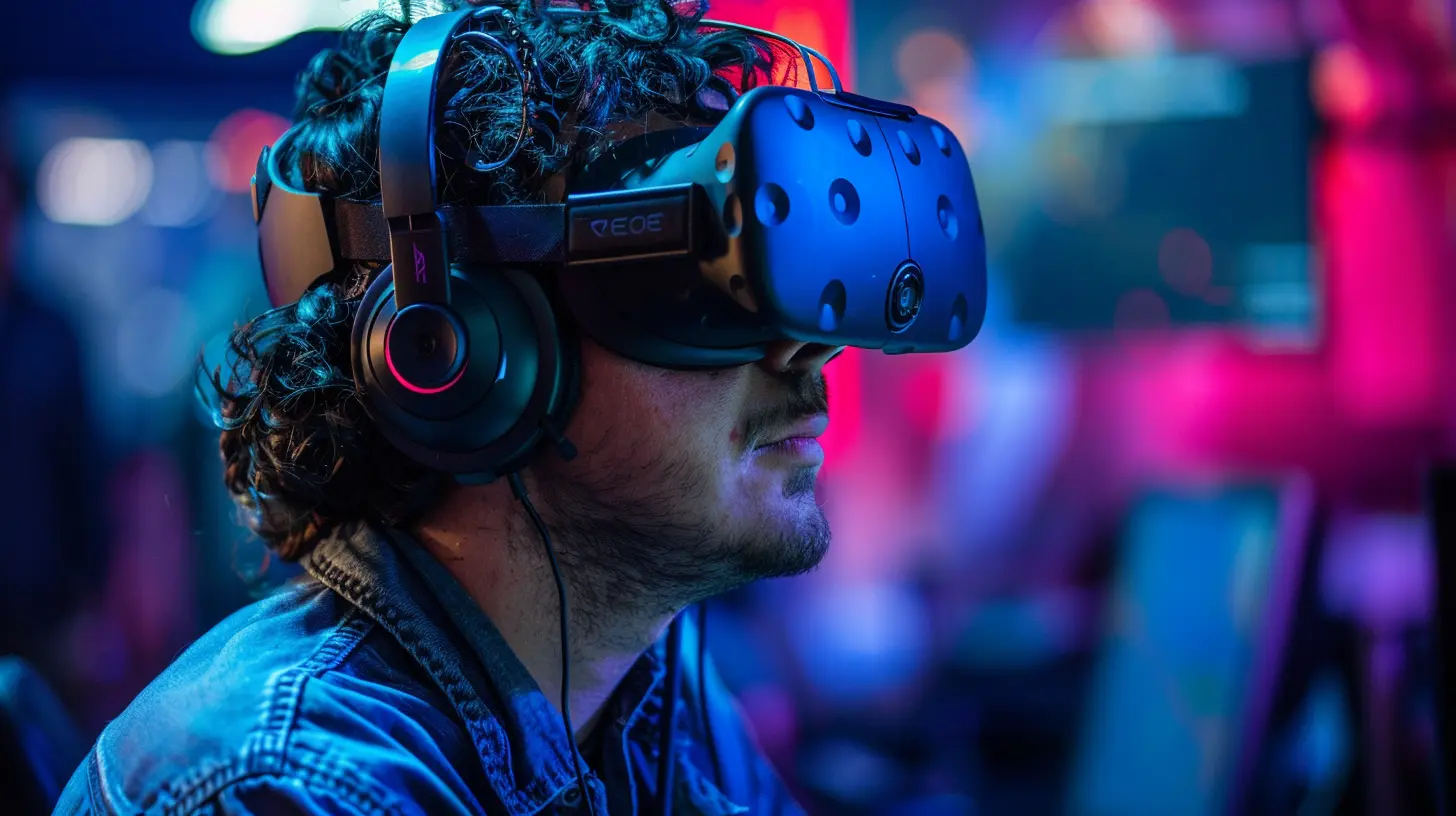
Redefining Game Genres
Virtual reality isn't just making games look cooler; it's reshaping entire genres.First-Person Shooters (FPS)
Think Call of Duty is intense? Try holding a VR gun, peeking around virtual corners, and physically ducking behind cover! Games like "Half-Life: Alyx" show just how transformative VR can be for shooters—turning twitch-based gameplay into something way more tactical and personal.Horror Games
Want to pee your pants a little? Horror in VR isn’t for the faint of heart. It amplifies tension to insane levels. You’re not just watching creepy stuff happen—you’re stuck in it. “Phasmophobia” in VR, for example, makes ghost hunting feel terrifyingly real.Puzzle & Strategy
Even non-action genres are getting a facelift. VR puzzle games like “The Room VR” or “I Expect You To Die” feel like you're part of a mystery movie, solving clues with your own hands. You’re not just thinking through challenges—you’re physically interacting with them.
Encouraging Physical Movement
Let’s face it: traditional gaming often involves being glued to a chair for hours. VR changes that.Get Up, Get Moving
VR gameplay encourages—scratch that, demands—movement. Depending on the game, you could be boxing, dancing, climbing, or even practicing tai chi. It adds a layer of physicality that makes games more engaging (and a sneaky workout, too).Active Gaming, Real Benefits
Let’s not ignore the health perks. Studies have shown that VR games can help improve coordination, reaction times, and even cardiovascular health in some cases. You’re still gaming, but your body doesn’t know it’s not at the gym. Win-win.Creating Social Spaces in Virtual Worlds
Multiplayer has always been a core part of gaming. But VR takes social interaction to a whole new level.Virtual Hangouts
Platforms like VRChat and Rec Room aren’t just games—they’re entire online social experiences. You can talk face-to-face (well, avatar-to-avatar), attend virtual concerts, throw parties, or even have business meetings. Yep, people are working in VR now, too.Empathy Through Immersion
Believe it or not, being “in someone else’s shoes” feels much more literal in VR. Games and experiences that place players in different perspectives—culturally, emotionally, physically—can generate deeper empathy. This isn’t just storytelling—it’s storyliving.Expanding Accessibility and Inclusivity
VR has its challenges, but it also opens the door for more inclusive gaming experiences.Adaptive Hardware
Developers are starting to design hardware and settings that cater to players with disabilities. From seated gameplay modes to eye-tracking navigation, VR can be tweaked to fit many users’ needs.Customizable Experiences
One of the coolest things about VR? Most platforms allow for a high degree of customization. You can adjust environments, interaction levels, and even your comfort settings. It’s gaming designed to fit you—not the other way around.The Rise of User-Generated Worlds
Remember when creating your own maps in Halo felt revolutionary? VR has taken that idea and supercharged it.Build Your Own Reality
Games like “VRChat,” “Neos VR,” and “Dreams” let users create their own virtual worlds, games, and even entire experiences. You don’t need to be a coding genius to build something amazing.Virtual Economies
We’re even starting to see virtual economies emerge within these spaces. People are designing, buying, and selling in-game items, assets, and even real estate. Yes, you read that right—real estate in virtual worlds.Education & Training: Gaming With a Purpose
Who says gaming can’t teach you anything? VR is proving to be more than just entertainment.Learning Through Play
Simulations allow players to learn real-world skills—whether it’s piloting a plane, performing surgery, or exploring ancient civilizations. And because it’s interactive and fun, the info tends to stick.Soft Skills & Teamwork
Multiplayer VR games often require serious communication, planning, and cooperation. It’s like a trust fall exercise—but in space. It’s team-building 2.0.The Future: Where Do We Go From Here?
Okay, so VR is already pretty cool. But we’re just scratching the surface of its potential.Better Tech is Coming
The hardware is evolving fast. Lighter headsets, better graphics, wider field of view, wireless freedom—these upgrades will make VR even more accessible and immersive.Mixed Reality & Haptics
Augmented reality (AR) and mixed reality (MR) are starting to blend seamlessly with VR. Plus, haptic suits and gloves are hitting the market, letting you feel the game world. Imagine actually feeling the vibration when you fire a weapon or the warmth of a laser explosion. Wild, right?Challenges to Consider
Of course, VR isn’t all sunshine and roses.Motion Sickness
Let’s be real—some folks struggle with nausea in VR. Devs are working on it, but it’s still a hurdle.Price Point
Also, quality VR gear isn’t cheap. While prices are coming down, not everyone can afford an Oculus Quest or high-end PC VR setup.Content Variety
While the VR library is growing, it still lags behind traditional gaming platforms in genre diversity and triple-A titles.Conclusion: Not Just Games—Experiences
Virtual reality is doing more than just making games cooler. It’s changing how we define gaming entirely. What used to be limited to screens and thumbsticks has now exploded into full-body adventures, emotional journeys, and entire virtual lives.We’re not just gamers anymore—we’re travelers, creators, and pioneers in the digital frontier. And while VR still has room to grow, one thing’s clear: the future of gaming isn’t flat. It’s 360°, immersive, and way more personal.
So, whether you’re an old-school console warrior or a curious newbie wondering what all the VR fuss is about, now’s a great time to dip your toe—or better yet, your whole self—into a brand-new reality.
all images in this post were generated using AI tools
Category:
Vr TechnologyAuthor:

Tina Fisher
Discussion
rate this article
2 comments
Valencia McAlister
VR: Gaming’s wild new frontier!
March 24, 2026 at 5:01 AM
Tina Fisher
Absolutely! VR is reshaping gaming by offering immersive experiences that go beyond traditional gameplay, unlocking new possibilities for interaction and storytelling.
Fallon Fuller
Virtual reality transcends traditional gaming boundaries, immersing players in experiential narratives that challenge perceptions of reality and interaction. As we step into these digital realms, we not only redefine entertainment but also explore the profound intersections of identity, empathy, and human connection in virtual spaces.
March 23, 2026 at 4:08 AM
Tina Fisher
Absolutely, virtual reality is reshaping gaming by creating deep, immersive experiences. It invites players to engage with their identities and emotions in ways that traditional gaming never could.