How Virtual Reality Is Changing the Role of the Game Designer
13 July 2026
Virtual reality (VR) isn’t just reshaping how we play games — it’s completely flipping the game design world on its head. What once was a two-dimensional task of designing for screens and controllers has transformed into an immersive, 360-degree playground where players don’t just control characters — they become them.
So what does that mean for the folks behind the scenes — the game designers? Let’s dive deep into how their roles are evolving in this brave new virtual world.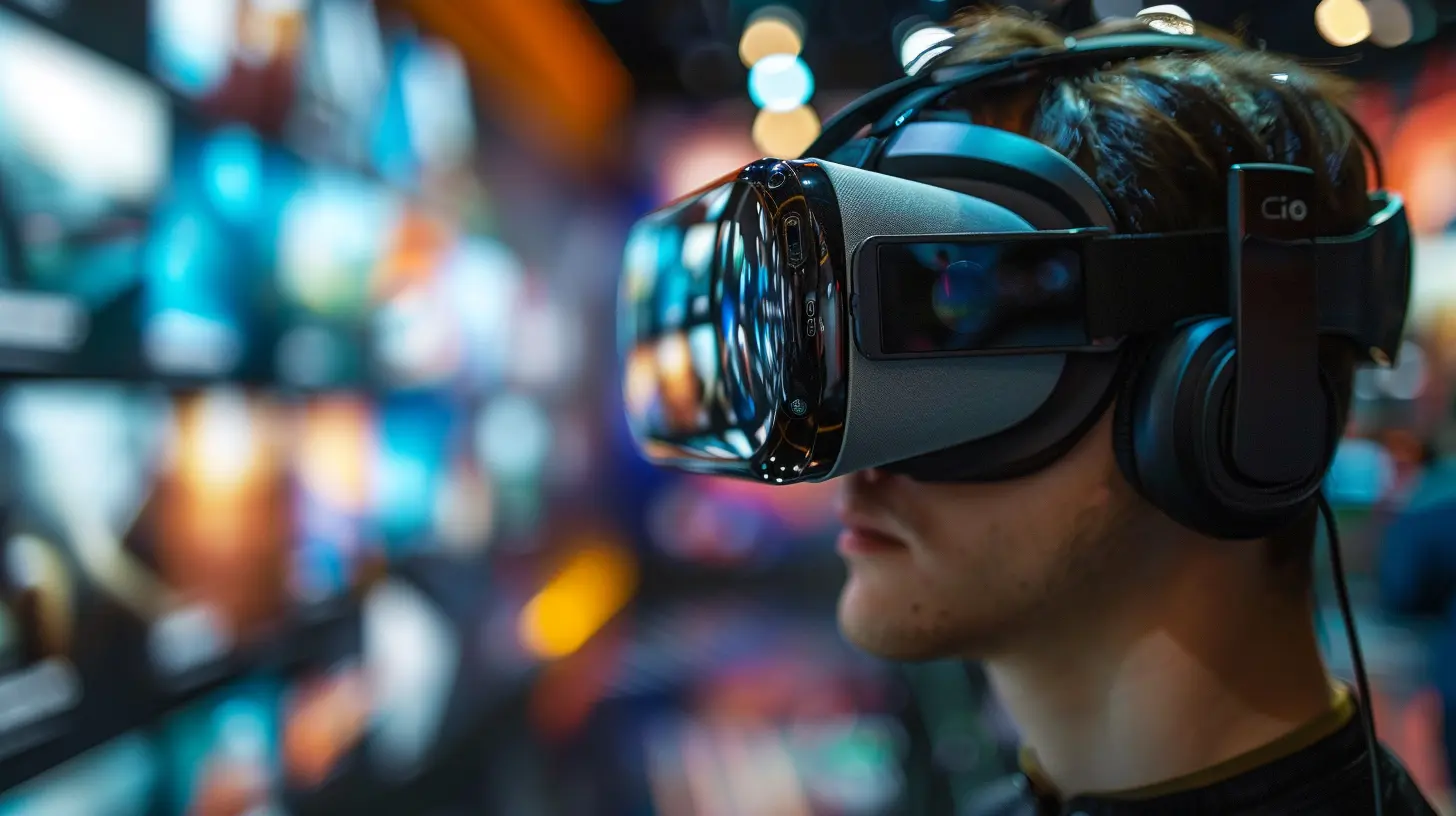
From Flat Screens to Fully Immersive Worlds
Let’s start with the basics. Traditional game development has largely been limited to flat, 2D or 3D gameplay viewed through a screen. The designer’s job was to build engaging levels, mechanics, and stories within those boundaries. But with VR, it's like going from painting on a canvas to sculpting in a room-sized studio.Suddenly, space, depth, and player perception become critical. Designers now have to think about:
- What it feels like to "be" in the game
- How the environment reacts to the player’s movement
- How to avoid motion sickness (yep, that’s a real challenge)
So right off the bat, the approach to design becomes more about physical experience than just visual engagement.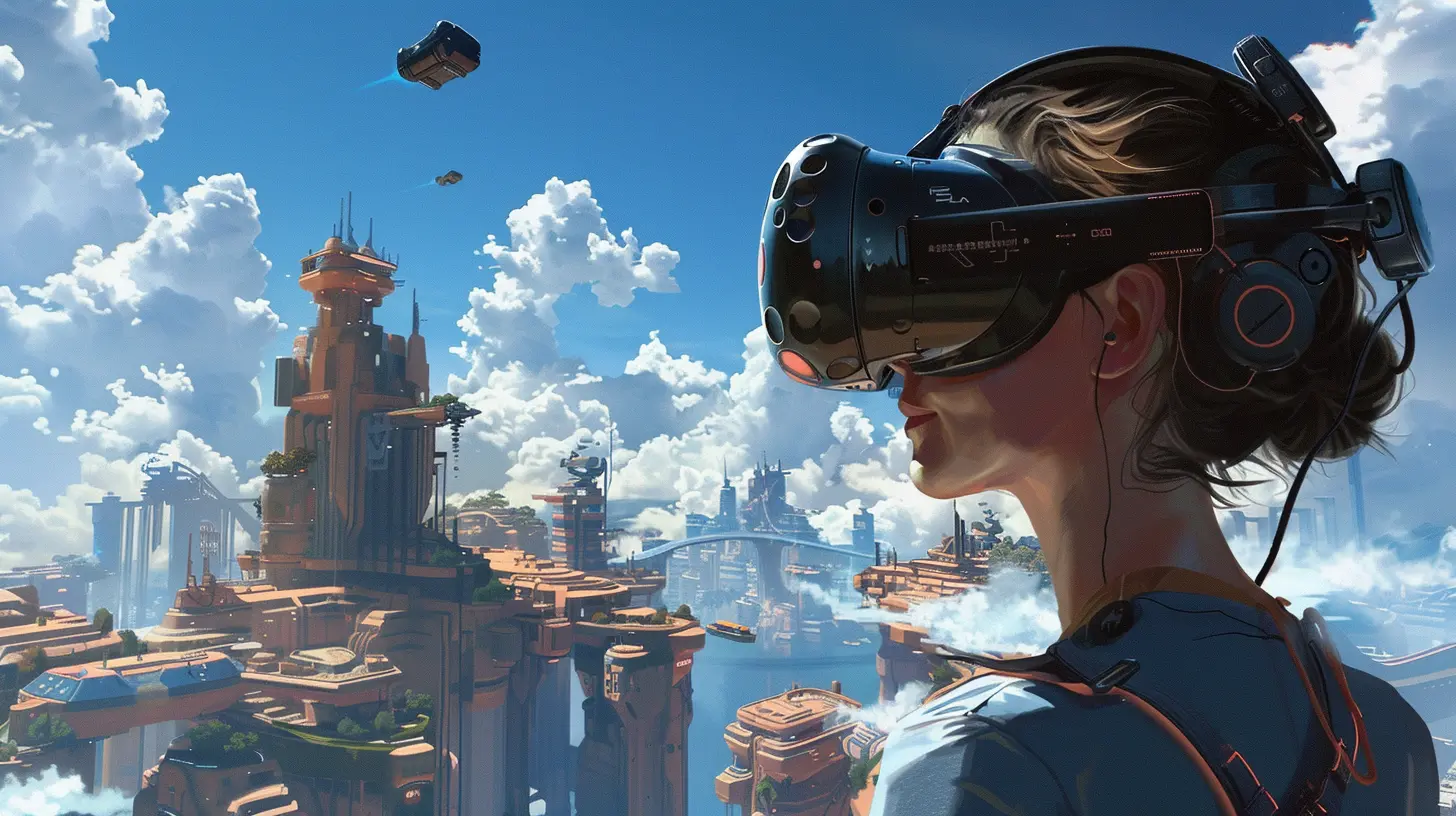
The Birth of Spatial Design
Traditional games use level design — think maps or corridors. But in VR, that concept morphs into what’s called spatial design. It’s all about creating spaces that players can explore in full motion. That’s a huge shift.You’re no longer designing what’s on the screen; you’re designing the environment itself. Imagine being the architect of a universe. Every angle matters, every sound echoes differently, and players can — and often will — look where you didn’t expect.
As a game designer in VR, you have to ask yourself:
- “What if the player walks behind the object?”
- “What will they see when they turn around?”
- “Will the space feel real and intuitive?”
It’s not enough to design good-looking worlds. You have to make them feel alive.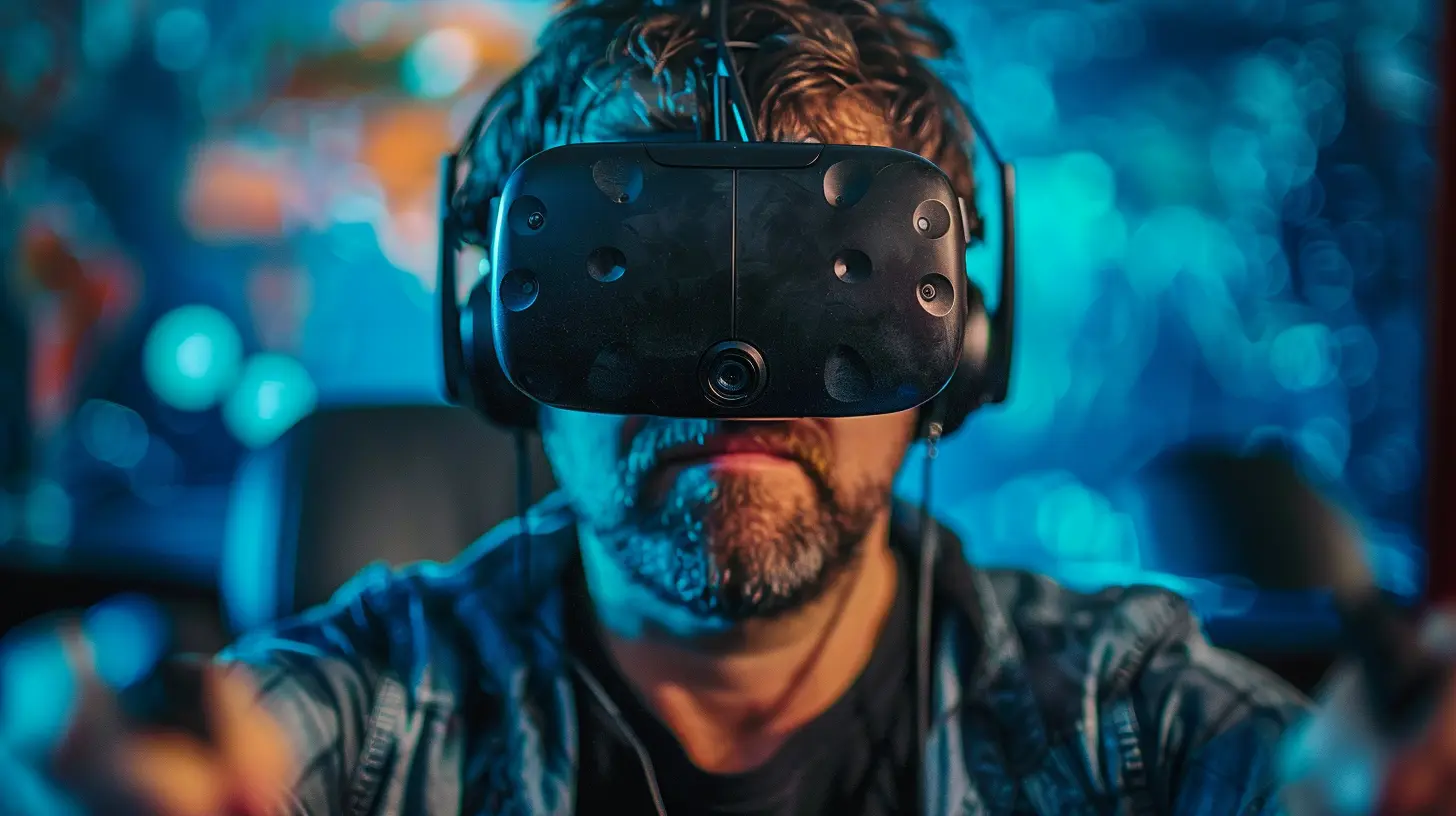
Rethinking User Interfaces (UI) and Controls
Forget HUDs plastered on the screen or button-mashing combos. VR demands a complete reimagining of how players interact with the game.Designers now focus on:
- Diegetic UI — meaning menus, health bars, and icons are integrated into the world (like a wristwatch that shows your stats)
- Natural hand gestures for controls (like reaching out to grab instead of pressing a button)
- Voice and eye-tracking as input methods
The designer’s role now blends a bit into UX (user experience) territory. It’s about making every interaction feel natural — like it belongs in that virtual space.
And guess what? If a player has to stop and think about how to do something, you’ve probably broken immersion. That’s the golden rule in VR design: keep it seamless.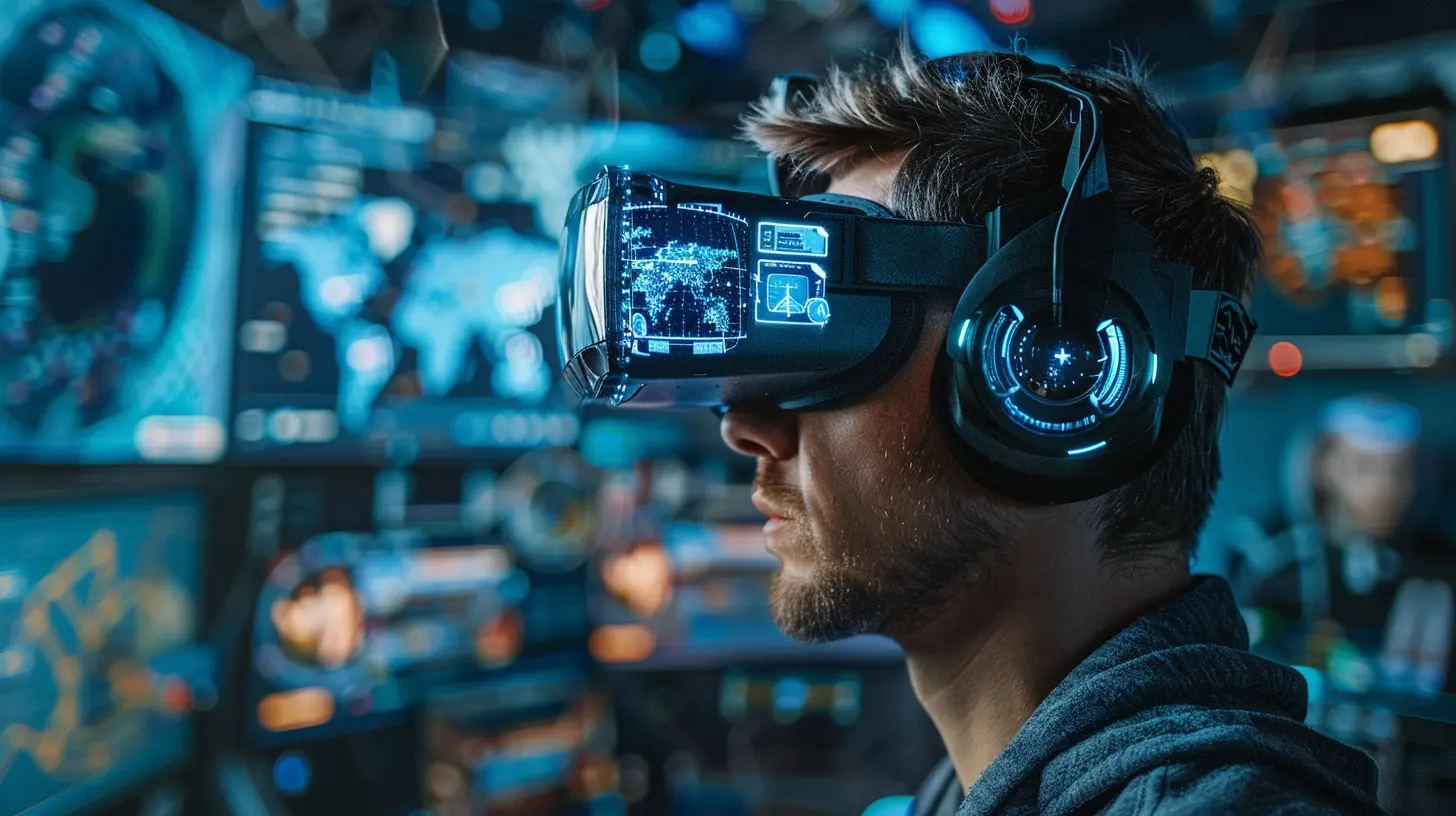
Embracing Empathy and Presence
Here’s where things get deep. VR doesn’t just put players in a game. It places them inside an experience. That means designers now wield emotional power in ways they never could with traditional games.Designing in VR is sometimes more like directing a stage play. You’re orchestrating sound, visuals, and timing to guide emotions. You can create fear by having something whisper right behind the player’s ear, or awe by revealing a vast landscape as they crest a hill.
The term here is “presence” — the feeling that you’re really “there.” Every piece of a VR game must serve presence. That’s massive power in the hands of a game designer. But it comes with responsibility, too.
You have to think ethically:
- Are you overwhelming the player’s senses?
- Are you creating discomfort or stress without good reason?
- Are you respecting personal space?
It’s no longer about telling players what’s happening. It’s about making them feel it.
Collaboration with New Disciplines
Designing for VR is no solo gig. It’s a team sport now more than ever.Game designers in VR teams work closely with:
- Audio engineers (spatial audio is key to immersion)
- Haptic specialists (for physical feedback)
- Narrative designers (to tie story into physical space)
- UX experts and accessibility advocates (making sure games work for everyone)
Each of these pros brings something essential. And that means the designer’s role often shifts into more of a project leader — someone who understands the big picture and keeps the experience cohesive.
It’s less about controlling every detail and more about guiding a vision.
Iteration, Experimentation, and Playtesting Like Never Before
Here’s something that doesn’t always get talked about: VR is unpredictable. You might design a stunning room, but when a real person puts on the headset, they might miss everything cool about it because they turned the other way.That’s where playtesting in VR becomes absolutely critical. Designers have to:
- Watch how people naturally move
- Study what draws attention (and what gets ignored)
- Iterate constantly based on real feedback — not assumptions
It’s humbling, honestly. Players often do things you never expected. And in VR? That unpredictability is dialed up to 11.
The Rise of Embodiment in Game Mechanics
Here’s where things get really fun.In VR, players are the character. That means you can design mechanics that feel incredibly personal. Instead of pressing "A" to punch, you punch with your real hand. Instead of clicking to open a door, you pull it open.
This leads to:
- More immersive combat and interaction systems
- Body-based puzzles and physical challenges
- Deeper emotional connection with the avatar (because it’s basically you)
Game designers have to start thinking like choreographers or behavior analysts. You’re not just giving players tools—you’re shaping how they move and behave in your world.
And believe me, that level of embodiment is game-changing.
Breaking the Fourth Wall (In a Good Way)
In flat games, the player is often a passive observer. But in VR, they’re an active participant — meaning they can’t be ignored in the narrative.Designers now ask:
- “How do we talk to the player, not just at them?”
- “Can we make them feel like a character in the story, not just a puppet?”
This is where storytelling in VR gets super interesting. Characters can look you in the eye. They can react to your gestures. They can whisper secrets only you can hear.
Designers are writing for you, not just “the player.”
The Challenge (and Opportunity) of Accessibility
The dream of VR is a future where anyone can play, no matter their ability or background. But the current reality? It’s a bit more complicated.Many VR experiences assume a player can stand, move both arms, look around freely, or hear spatial audio. As a designer, you now have to think inclusively.
Ask yourself:
- Can a seated player enjoy this game fully?
- Are alternative controls available for those with physical limitations?
- Is the game comfortable for folks prone to motion sickness?
Designing with accessibility in mind isn’t just nice — it’s necessary. And in VR, it’s the designer’s job to drive that conversation forward.
Peeking Into the Future of VR Game Design
So where are we heading?Well, VR technology is still pretty young. But as devices get lighter, cheaper, and more powerful, the expectations for game design will rise too. We’ll likely see:
- Fully persistent virtual worlds
- AI-driven characters that respond to emotions
- Hyper-realistic physics and tactile feedback
- World-building tools that let players design their own VR games (the designer becomes an enabler)
And who knows? Maybe in the next decade, VR game designers will be just as much psychologists and storytellers as they are coders and artists.
So, What Does This All Mean for Game Designers?
If you’re a designer reading this, here’s the takeaway:VR is changing your role — not eliminating it.
Yes, it’s more complex. Yes, it’s less predictable. But it’s also more powerful, more expressive, and more personal than any platform we’ve had before.
You’re not just building games. You’re crafting experiences that people will remember like dreams.
And let’s be honest — how cool is that?
So keep learning, keep experimenting, and keep pushing the boundaries of what virtual worlds can feel like. Because the future of games? It’s not on a screen.
It’s all around us.
all images in this post were generated using AI tools
Category:
Vr TechnologyAuthor:

Tina Fisher