How the Line Between Singleplayer and Multiplayer Is Fading
13 April 2026
Once upon a time, the gaming world was comfortably divided into two camps—those who played solo and those who logged in to join others. You either immersed yourself in a rich, narrative-driven story all alone, or you embraced the chaos and camaraderie of multiplayer matches.
But guess what? That clear dividing line? It's practically disappeared. These days, you're just as likely to bump into another human in what you thought was a peaceful singleplayer world as you are in a traditional online lobby. And honestly, it's fascinating how we got here.
In this post, we'll break down how that blurry line came to be, what it means for developers and players, and where it might take us next.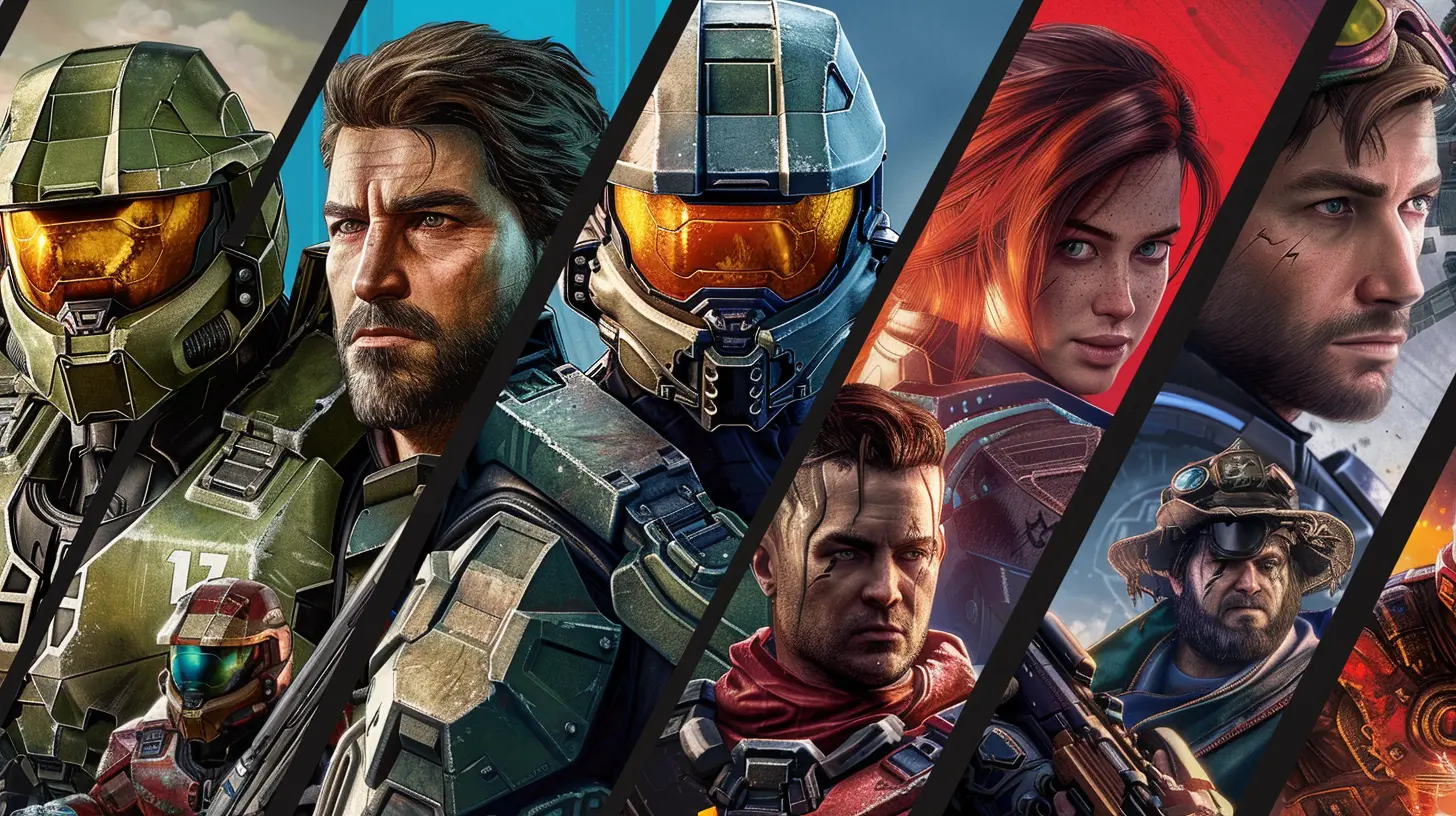
The Rise of Hybrid Gaming Experiences
Gaming has evolved dramatically in the last decade. Studios aren't just pushing better graphics—they're blending elements of both worlds to create hybrid experiences that are more immersive, connected, and unpredictable.Take games like Dark Souls or Death Stranding, for example. They're technically singleplayer experiences, but they’re infused with multiplayer elements. In Dark Souls, you can summon other players for help or spot their bloodstains and ghostly replays. In Death Stranding, other players’ structures and upgrades appear in your world, subtly reminding you that you’re never truly alone.
This fusion of styles is no accident. Developers recognize that players crave connection—but they also want autonomy. So, why not serve both?
Why the Separation Existed in the First Place
Before we go forward, let’s glance back. Back in the early days of gaming, technology limited options. You had split-screen co-op for local multiplayer and entirely separate singleplayer campaigns. The two modes almost never touched.Game cartridges and early discs had limited memory. Internet infrastructure wasn’t yet robust enough to support seamless global play. Plus, the audiences for these game types were pretty different. Singleplayer games attracted story lovers and completionists. Multiplayer gamers thrived on competition, teamwork, and social interaction.
It was an either/or situation—not because we wanted it that way, but because we didn't have a choice.
How Online Connectivity Changed Everything
The arrival of high-speed internet reshaped the foundations of game design. Suddenly, developers could push updates, introduce new online modes, and collect data on how players interacted with their worlds.Games like GTA V and Red Dead Redemption 2 took this ball and ran with it. They launched with compelling singleplayer content and later expanded into massive multiplayer sandboxes. These online extensions weren’t just tacked-on features—they were full-fledged ecosystems where players could live out alternate versions of the stories they once experienced solo.
So, instead of choosing between one or the other, players now expect both. The days of splitting game modes like oil and water? Long gone.
The Emergence of Shared Worlds
Shared worlds are arguably the climax of this evolution. A shared world isn’t strictly multiplayer, but it isn’t solo either. It’s persistent, dynamic, and socially infused—often whether you notice it or not.Let’s talk about Destiny 2. It's a textbook shared world shooter. While you can play most of it solo, you'll constantly encounter other players completing their own objectives. World events require cooperation, even among strangers. There are clans, raids, PvP events—yet you can still enjoy the story at your own pace.
This idea of “lonely togetherness” is incredibly powerful. You're on your own journey, sure, but you're surrounded by signs that this world isn’t just yours. And the beauty? You can choose how much to engage.
Singleplayer Games Are Becoming Social Experiences
Even games that don’t offer traditional multiplayer are embracing social design. It’s no longer about just telling a story—it’s about how that story exists in a larger player ecosystem.Take Elden Ring—a game designed primarily as a solo adventure. Yet it’s packed with interactive breadcrumbs: messages left by other players, signs of their deaths, co-op summoning systems, and hostile invasions. These social elements aren’t central, but they absolutely shape how you experience the game.
Even narrative-heavy titles like Cyberpunk 2077 and The Witcher 3 have added online components or spinoffs. While the core game is solo, developers know the moments that stick, share, and trend are the ones people talk about online.
And let's not forget about photo modes, share buttons, and user-generated content. All roads lead to social interaction—even if you're technically playing alone.
Multiplayer Campaigns Are Getting More Cinematic
Now let’s flip the script. Multiplayer games are stealing a few pages from the singleplayer playbook too.Games like Apex Legends and Overwatch 2 now feature evolving lore, animated shorts, character backstories, and campaign-style events. They’re not just about winning matches—they’re about telling stories within communities.
Think about the seasonal events in Fortnite. They’re storytelling spectacles that often rival blockbuster movie moments. You’re not just playing a game anymore—you’re part of a living, breathing, ongoing narrative.
So while singleplayer games are getting more social, multiplayer games are getting more emotional and cinematic. It's almost like each genre's been borrowing from the other's closet—and now both are looking fabulous.
Crossplay and Cross-Progression: Unifying the Player Base
Another major contributor to the merging of singleplayer and multiplayer is the rise of crossplay and cross-progression. These features have made it easier than ever to connect with others regardless of the platform you're on—or how you like to play.Want to play solo on your Switch but team up with your friend on PC later? No problem. Cross-save systems keep your progress intact. This flexibility encourages players to seamlessly jump between modes and devices, tearing down the final walls between solo and shared experiences.
Game universes now exist beyond consoles. They're persistent, universal, and always open for business.
The Role of Streaming, Mods, and User-Created Content
Let’s talk community. Today, a huge part of a game’s lifespan comes from how people interact with it after launch.Streaming has turned singleplayer games into shared experiences in real time. Watching a streamer tackle a game you're playing on your own adds a layer of interaction that wasn't there before. It’s like watching a movie you’ve seen with someone who’s reacting for the first time.
Then there's modding. Games like Skyrim, Minecraft, and Garry’s Mod blur the lines between developer and player. Players create worlds within worlds, and most of them are shared online. Even if you're physically playing alone, mentally, you're deeply connected with a broader community.
This user participation pushes both single and multiplayer titles into new territory, where content is continuously evolving—and often completely community-driven.
Why This Blending Matters
The fading line between singleplayer and multiplayer isn't just a cool design trend—it’s a reflection of how we consume entertainment today. We want flexibility. We want interaction without commitment. We want personalization with a side of community.Hybrid design acknowledges that no two players are alike. Some thrive in competition; others savor immersion. Most of us? We're somewhere in the messy, wonderful middle.
And that’s the future—games that mold to fit you, not the other way around.
Challenges Developers Face in This New Paradigm
But let’s be real—it’s not all sunshine and XP points. As exciting as this design evolution is, it brings unique challenges for developers.Balancing both solo and multiplayer elements is a Herculean task. You’ve got to ensure the story makes sense whether you're alone or in a squad. Performance and server stability become key issues. Player agency must be respected without breaking immersion.
Not to mention, you’re catering to vastly different expectations. Some players want to pause and absorb lore; others just want to charge in guns blazing. Finding that perfect middle ground? Not easy.
But when it works, it works beautifully—and players reward it with loyalty, engagement, and word-of-mouth gold.
So, Where Are We Headed?
The question isn’t whether the line between singleplayer and multiplayer will disappear—it’s how fast.Expect more games that live in that gray area. More co-op campaigns. More asynchronous multiplayer. More shared worlds and seamless drop-ins. The future is fluid, and that’s a great thing.
We’re not just playing games anymore—we’re living in them, sharing them, and shaping them together.
Final Thoughts
It’s an exciting time to be a gamer. The days of choosing between a solo adventure and a multiplayer slugfest are fading into history. Now we get the best of both worlds.Whether you're the lone wanderer or a social butterfly, today’s games are built to include, not exclude. They’re playgrounds for everyone—the quiet, the competitive, the curious.
So the next time you boot up a game, take a second to think about who else is influencing your experience. Chances are, it’s more people than you realize.
all images in this post were generated using AI tools
Category:
Game TrendsAuthor:

Tina Fisher
Discussion
rate this article
2 comments
Sable McElhinney
Great article! It’s fascinating how games are blending singleplayer and multiplayer experiences. I love the new social elements that make gaming even more engaging!
April 19, 2026 at 5:07 PM
Tina Fisher
Thank you! I'm glad you enjoyed the article. It's exciting to see how these social elements enhance the gaming experience!
Kaitlyn Martinez
Great insights! Exciting times for gamers everywhere! 🎮
April 18, 2026 at 4:23 AM
Tina Fisher
Thank you! It's an exciting evolution that opens up new experiences for everyone! 🎮