How Motion Controllers Are Elevating VR Gameplay
26 March 2026
Virtual Reality (VR) is no longer a tech frontier waiting for its big break—it’s here, and it’s changing the way we experience games. Whether you're slicing through fruit like a ninja, fending off zombies, or conducting a full-on space mission, VR has made its mark. But you know what really makes VR feel like magic? Motion controllers.
These little wonders are the unsung heroes of immersive gameplay. They’re like the magic wands of the gaming world—wave them around, and suddenly you’re wielding a sword, casting a spell, or just casually throwing a basketball halfway across a sci-fi arena. In this article, we're diving into how motion controllers are elevating VR gameplay and why they’re such a game-changer (pun very much intended).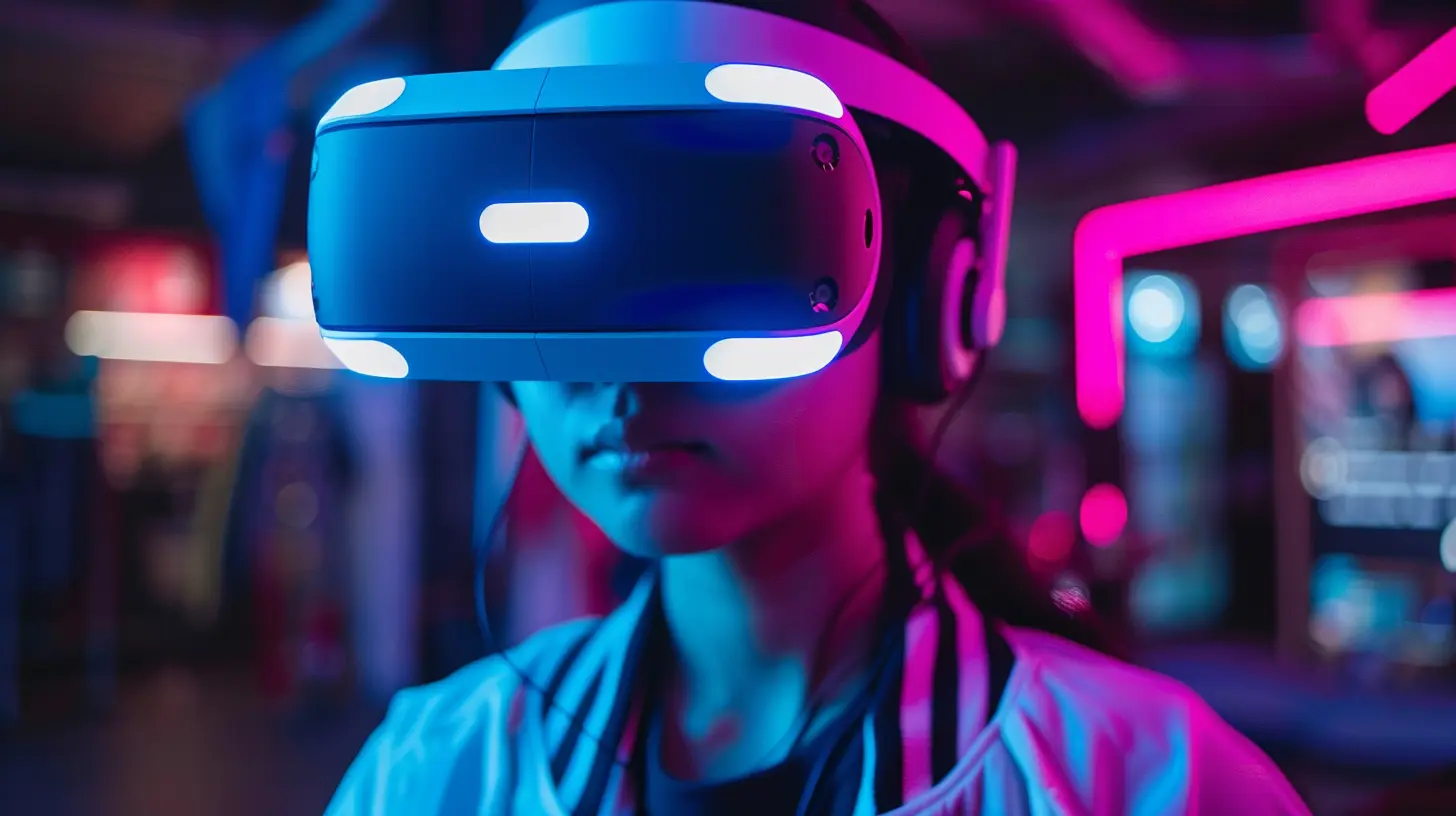
What Are Motion Controllers, Anyway?
Let’s start with the basics. Motion controllers are hand-held devices used in VR that detect your physical movements and translate them into the game world. They often include:- Sensors to track movement and position
- Buttons, triggers, and joysticks for additional input
- Haptic feedback to simulate the sense of touch
In simpler terms: they let your hands do the talking in VR. So instead of pressing a button to swing a sword, you actually swing your arm. That physicality is what makes everything feel so real.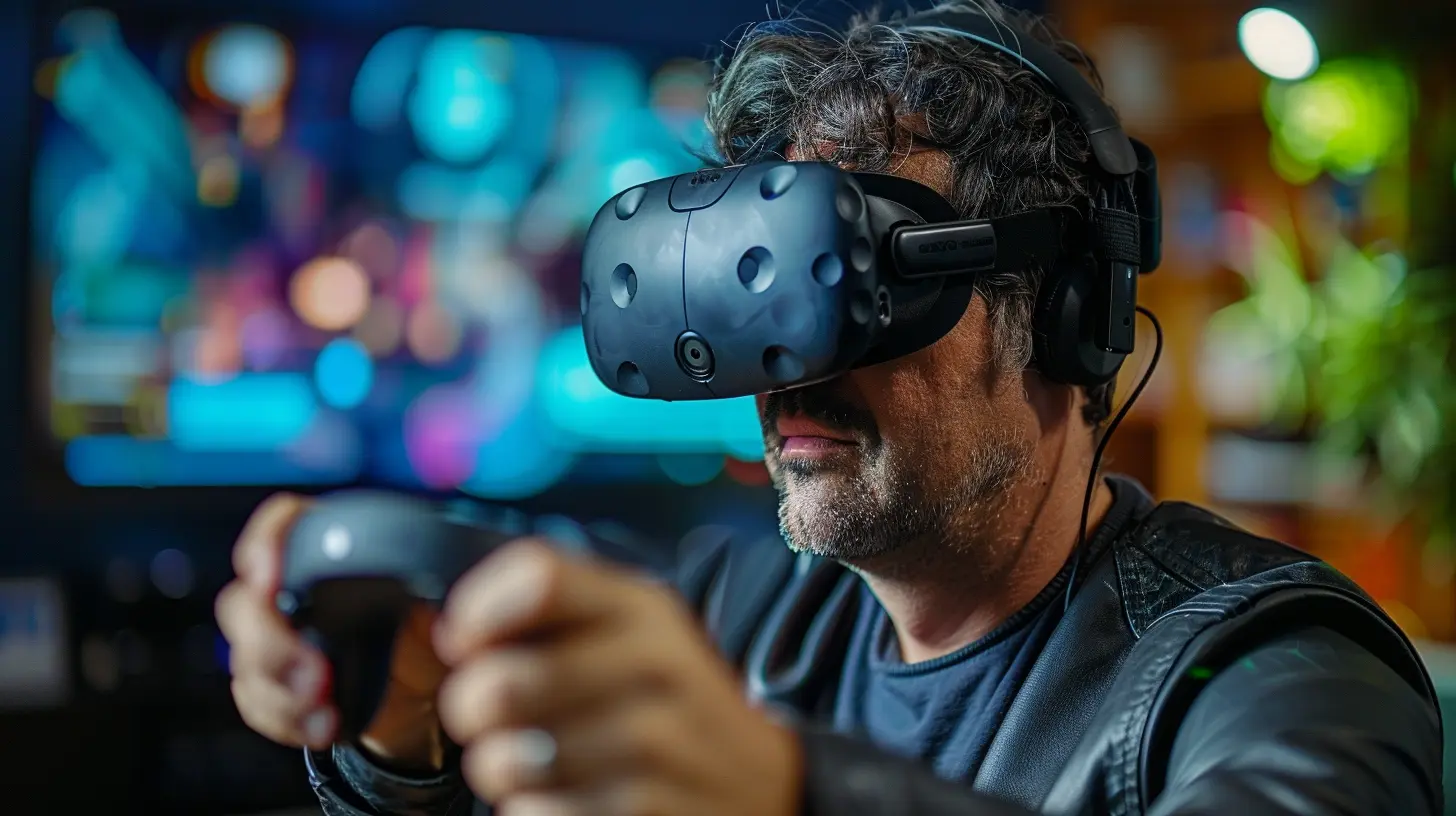
Immersion: The Secret Sauce of Great VR
Why do we even care about motion controllers in the first place? The answer is simple—immersion.You’ve probably heard that word tossed around a lot in the gaming world, but in VR, immersion isn’t just a buzzword—it’s the whole point. The more your brain believes that what’s happening in the headset is real, the more fun and engaging the game feels.
Think about it: if you’re standing in a wild, alien jungle but have to use a clunky regular controller to move and interact, that magic moment breaks. But with motion controllers, your hands move as they naturally would, and suddenly... you’re actually there.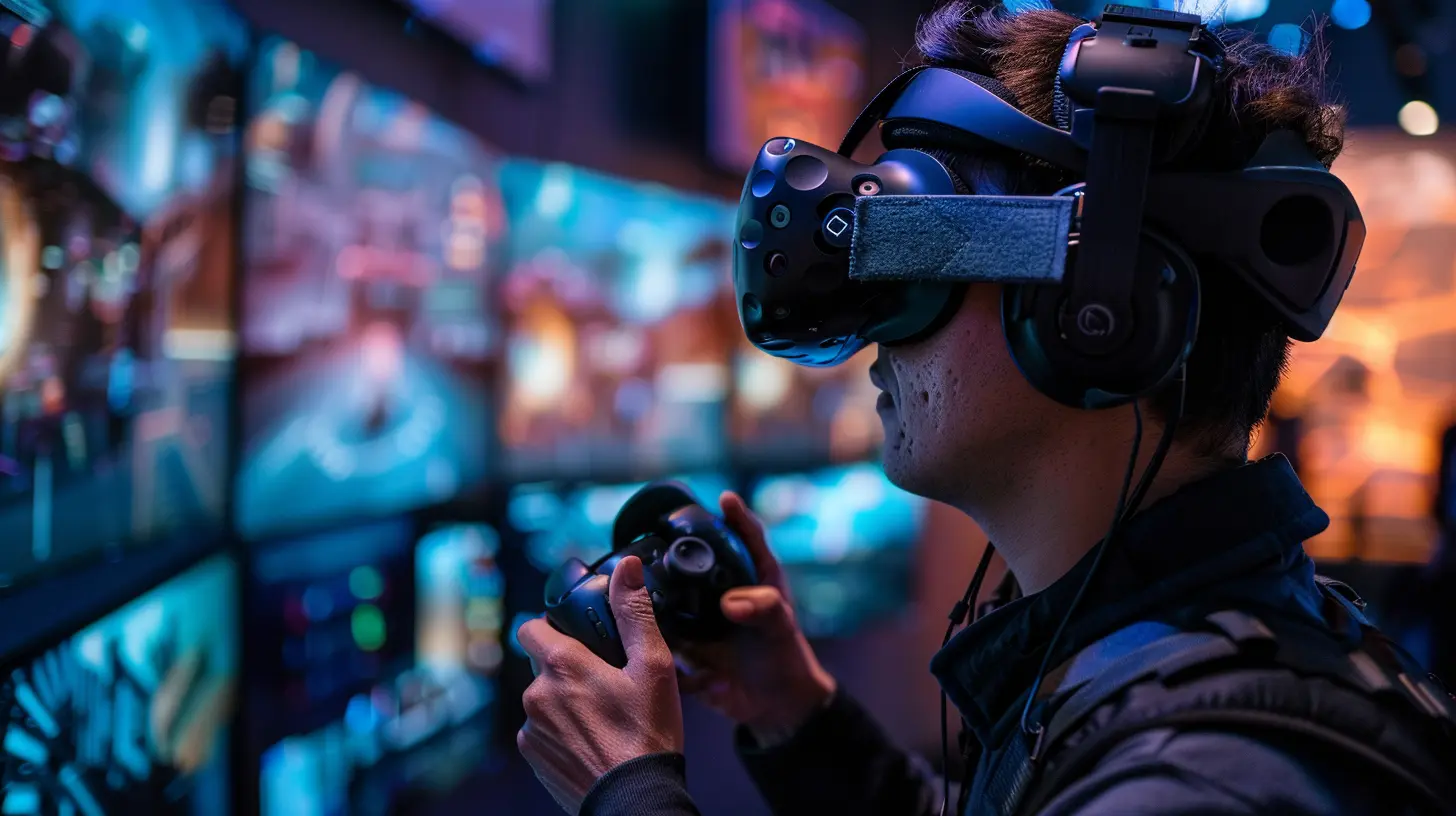
Precision Makes All the Difference
You know what’s hard to do with a regular game controller? Juggle flaming swords while dodging arrows—at least not without smashing the wrong button.Motion controllers, on the other hand (no pun intended), allow for a level of precision that traditional game pads just can’t match. You can:
- Aim a bow and arrow like you would in real life
- Pick up a tiny object and inspect it up close
- Draw shapes or symbols mid-air
- Perform complex hand gestures
This kind of fine control gives developers way more creative freedom too. It opens the door to unique gameplay mechanics that would feel clumsy or impossible with a standard controller.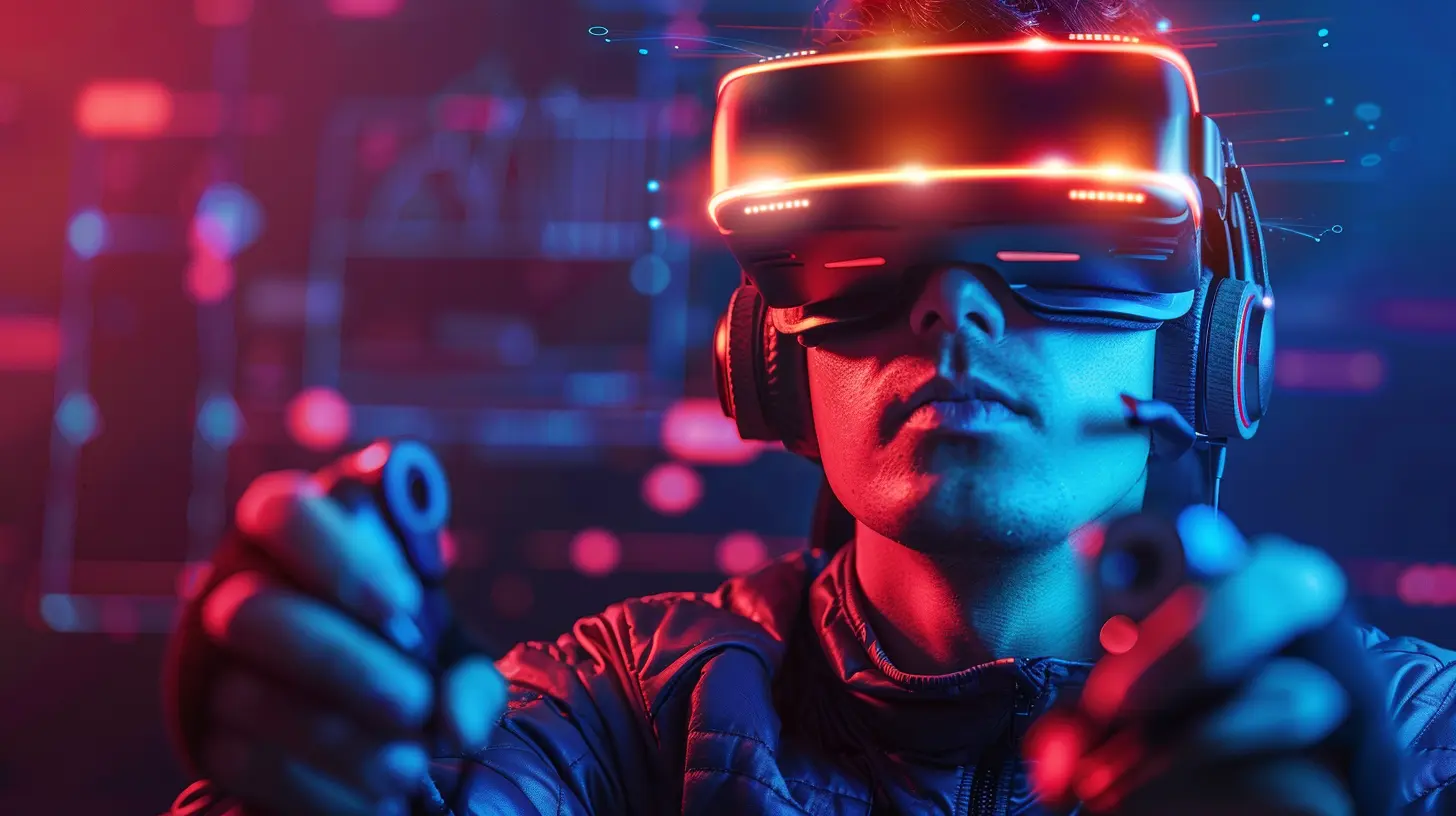
Physical Engagement = Emotional Engagement
Here's a cool side effect of motion controls: they get your whole body involved. That might seem like a minor thing at first glance, but it has a huge emotional payoff.When your hands are part of the action, the stakes feel higher. Missed a dodge in a sword fight? That’s not just a button press you messed up—that’s your reflexes, your timing, your body. It’s personal.
This hands-on engagement can actually create stronger emotional reactions—think adrenaline rushes, surprise, fear, or triumph. And that’s what makes a game memorable.
The Evolution of Motion Controllers
Motion controllers didn’t just appear overnight. They’ve been developing for years, and it’s been fascinating to watch them evolve.- Early Days (Wii, PlayStation Move)
Remember waving a Wii remote around? Back then, motion controls were fun but kind of gimmicky. They worked, but not with the finesse gamers craved.
- VR Enters the Scene (HTC Vive, Oculus Rift)
The introduction of room-scale VR and controllers like the Vive Wands changed the game. Now you could move around in a space, reach out, pick stuff up, and feel the difference.
- Next-Gen Gear (Valve Index, Quest 2 & 3, PS VR2)
Today’s controllers are ultra-refined. They track each finger, recognize gestures, and even include haptic feedback that can simulate texture or resistance. It's hardcore stuff.
Some newer headsets are even pushing towards controller-free hand tracking. But for now, motion controllers are still the gold standard for depth and precision.
Types of VR Games That Thrive With Motion Controllers
Let’s be real—not every VR game needs motion controls to be great. But many genres absolutely shine because of them.1. Action & Combat Games
Sword fighting, archery, boxing—these feel WAY more satisfying when you use your own hands. Games like Beat Saber, Blade & Sorcery, and Superhot VR are prime examples of how motion goes hand-in-hand with action.2. Puzzle & Escape Rooms
In games where you have to find clues, interact with small objects, or assemble pieces, motion controls make a huge difference. Grabbing keys, turning knobs, and flipping switches feel so much more intuitive.3. Creative & Sandbox Games
Want to build a castle or sculpt a masterpiece? Controllers let you express creativity in an organic way. Think Tilt Brush or VRChat—these experiences thrive with gestures.4. Simulation & Training
From virtual surgery simulations to flight training programs, motion tracking brings realism to high-stakes environments. This same tech is used outside of gaming and it’s just as powerful.5. Fitness & Dance
Games like FitXR or Dance Central VR turn workouts into something way more enjoyable. You move, sweat, laugh—and forget you’re even exercising.Haptic Feedback: The Cherry on Top
One of the most underrated parts of motion controllers is haptic feedback. That little vibration you feel? It's doing way more than just buzzing for fun.Modern controllers can simulate:
- The tension of a bowstring
- The impact of a gunshot
- The rumble of an explosion
- The smooth glide of a virtual pen
These sensations add another layer of immersion. It's one thing to see your sword hit an enemy; it's another to feel the jolt in your hand.
The Social Side of Motion Controllers
Motion controls don’t just make solo experiences better—they also spice up multiplayer games. In social VR platforms, your gestures and body language say a lot more than a text chat ever could.Waving hello, giving a thumbs-up, high-fiving your friend across the world... it adds heart to digital interactions. It’s not just gaming—it feels like genuine connection.
Challenges Still Hanging Around
Of course, motion controllers aren't flawless. There are a few bumps in the virtual road:- Battery Life: Let’s be honest, nothing kills the vibe like “Controller Battery Low.”
- Hand Fatigue: Holding your arms up too long? Oof.
- Learning Curve: Some games go overboard with gestures and controls, leaving new players frustrated.
- Tracking Limitations: Cheap or older systems may lose track of your hands behind your back or in weird angles.
But tech is improving fast. Each new generation solves a little more of the puzzle.
The Future: Where Are We Headed?
The future of VR motion control is bright—and a little wild.We're seeing developments like:
- Finger-level tracking that lets you do delicate tasks (or flip the bird with precision)
- Adaptive triggers that adjust resistance based on what you’re doing
- Wearable suits and gloves that could bring full-body motion into the mix
- AI-assisted gestures that predict what you want to do even if the motion isn’t perfect
Eventually, we might even ditch physical controllers entirely. Full-hand tracking is already a thing (Meta Quest is pushing hard in this area), and who knows... maybe one day our BRAINWAVES will control the game. Wild thought, right?
Final Thoughts: Why It All Matters
Motion controllers aren't just a nifty accessory—they’re the secret sauce that turns VR from something you “look at” into something you truly “experience.” They bridge the real and the virtual in a way that’s physical, emotional, and deeply human.As both the hardware and the games themselves get sharper, these controllers will keep playing a key role in shaping the future of interactive entertainment. And honestly? We’re just getting started.
So the next time you pull off a perfect sword swing, defuse a virtual bomb, or paint a sunset in midair using your own hands, give a little nod to those trusty motion controllers. They’re doing more than you think.
all images in this post were generated using AI tools
Category:
Vr TechnologyAuthor:

Tina Fisher
Discussion
rate this article
2 comments
Alvin McAlister
Motion controllers are revolutionizing VR gameplay, bringing an exhilarating sense of presence and immersion. They empower players to physically interact with virtual worlds, transforming gaming into a true adventure. Embrace the future of play—it's here, and it’s electrifying!
April 11, 2026 at 2:34 PM
Tina Fisher
I completely agree. Motion controllers are a game changer, making the VR experience so much more immersive and engaging. It's exciting to see how they're reshaping gameplay.
Mason Stone
Great article! It's fascinating to see how motion controllers are truly enhancing the immersive experience in VR. The blend of physical movement with gaming really adds a new layer of engagement. I appreciate how you highlighted both the advancements and the challenges in this evolving technology. Well done!
March 27, 2026 at 5:18 AM
Tina Fisher
Thank you for the kind words! I'm glad you enjoyed the article and found the insights on motion controllers valuable. They really are changing the game.