How Limited Resources Impact Crafting Strategy
15 June 2026
Ah, crafting in video games — the digital equivalent of trying to make dinner out of one egg, a stick of gum, and three cherry tomatoes. We’ve all been there: you’re staring at your inventory, wondering if the 17 pieces of wood, 2 iron ore, and 1 suspicious-looking mushroom can somehow be turned into an epic weapon or just another pair of boots. Spoiler: it's probably boots.
But you know what? That’s the beauty of it! Limited resources in games don’t just make us more resourceful (ha, pun intended), they completely transform the way we approach crafting. Whether you’re playing survival games, RPGs, or base-building simulators, the scarcity of materials turns crafting from a brainless click-fest into a strategic puzzle that would make even Sherlock Holmes sweat.
So grab your pixelated pickaxe and let’s dig into how limited resources impact crafting strategy — with a healthy dose of humor, logic, and a sprinkle of gamer frustration.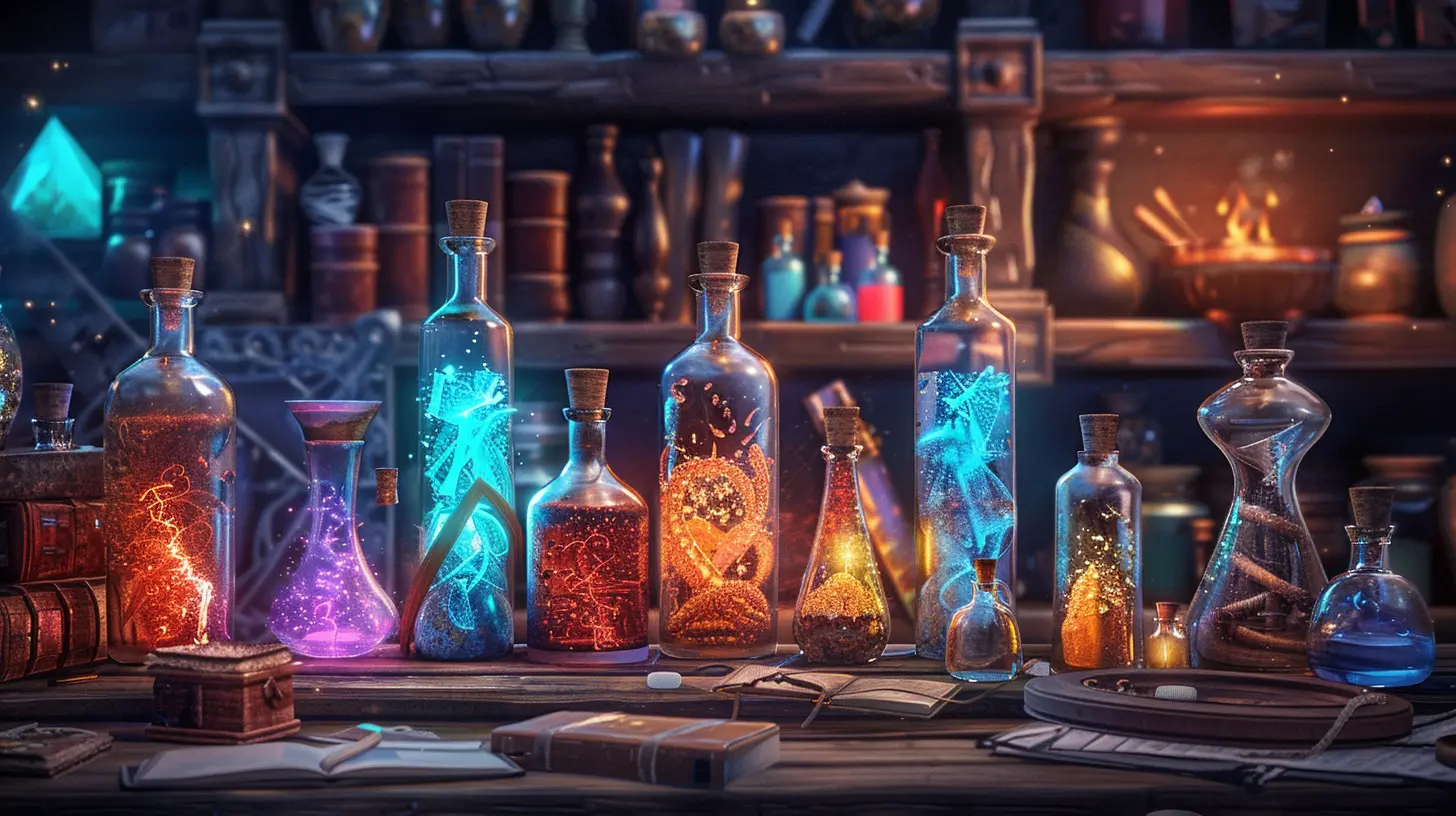
Why Crafting Exists in the First Place
Let’s rewind for a second. Why the heck do games even have crafting systems?Well, crafting systems were born to make us feel like ultimate DIY champions. You know, the kind of person who can make a sniper rifle from a spoon and a rubber band. It gives players control over their gear, their resources, and their in-game progression.
But when resources are limited? That’s when crafting turns from a sandbox joyride into a gritty episode of “Resource Hoarders: Game Edition.”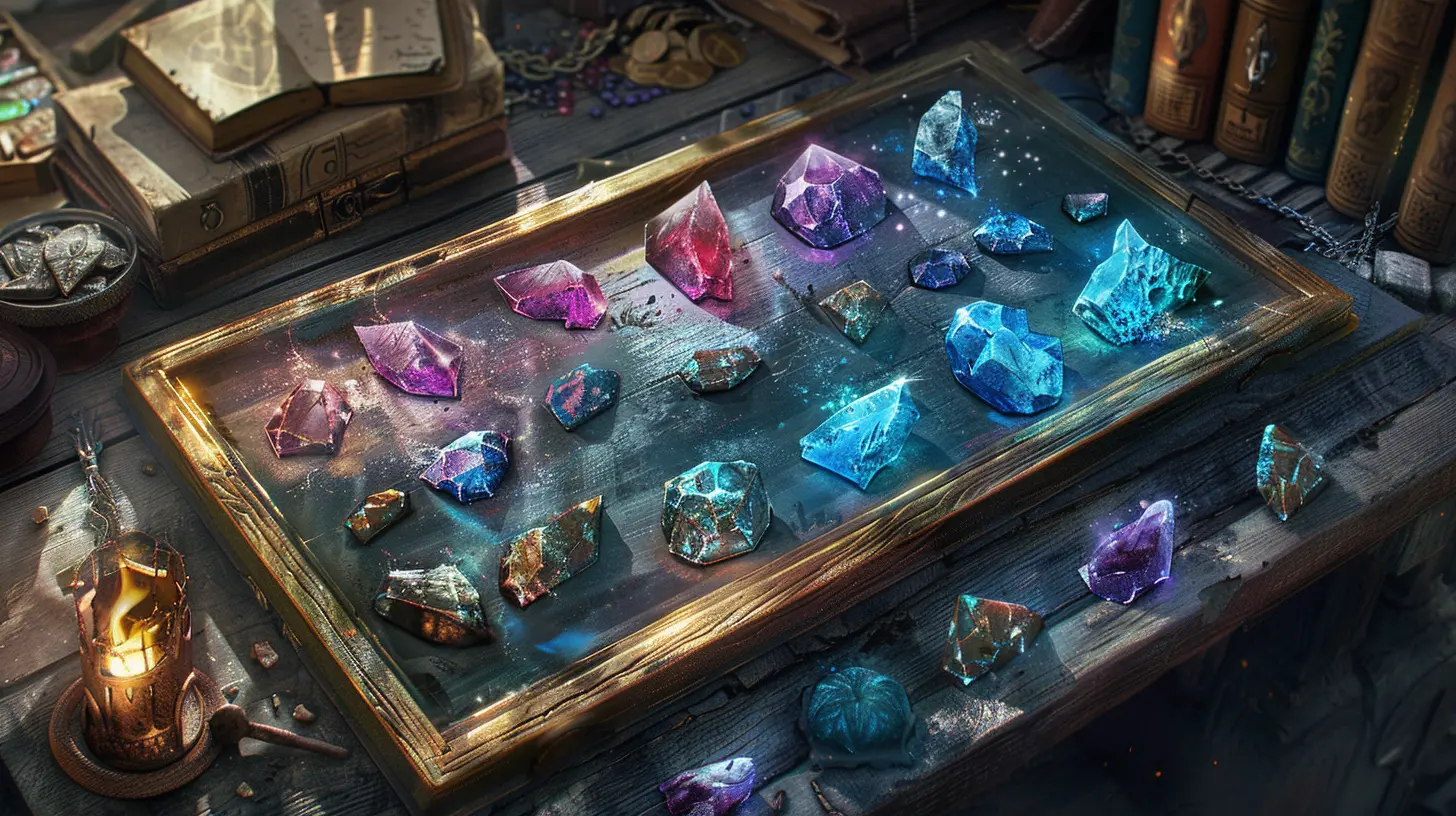
Scarcity: The Secret Sauce of Strategy
Would crafting still be fun if you had infinite resources? Honestly, no. That’s just creative mode, and while it's fun for a minute, it gets boring real quick. You need scarcity to make things matter.Think about it like real-life cooking. If you’ve got a fridge full of ingredients, you can make anything. But if all you have is rice, ketchup, and an onion, suddenly it becomes a culinary challenge worthy of a Gordon Ramsay meltdown.
Games do the same thing. By limiting what you can gather, craft, and carry, developers force you into making meaningful choices.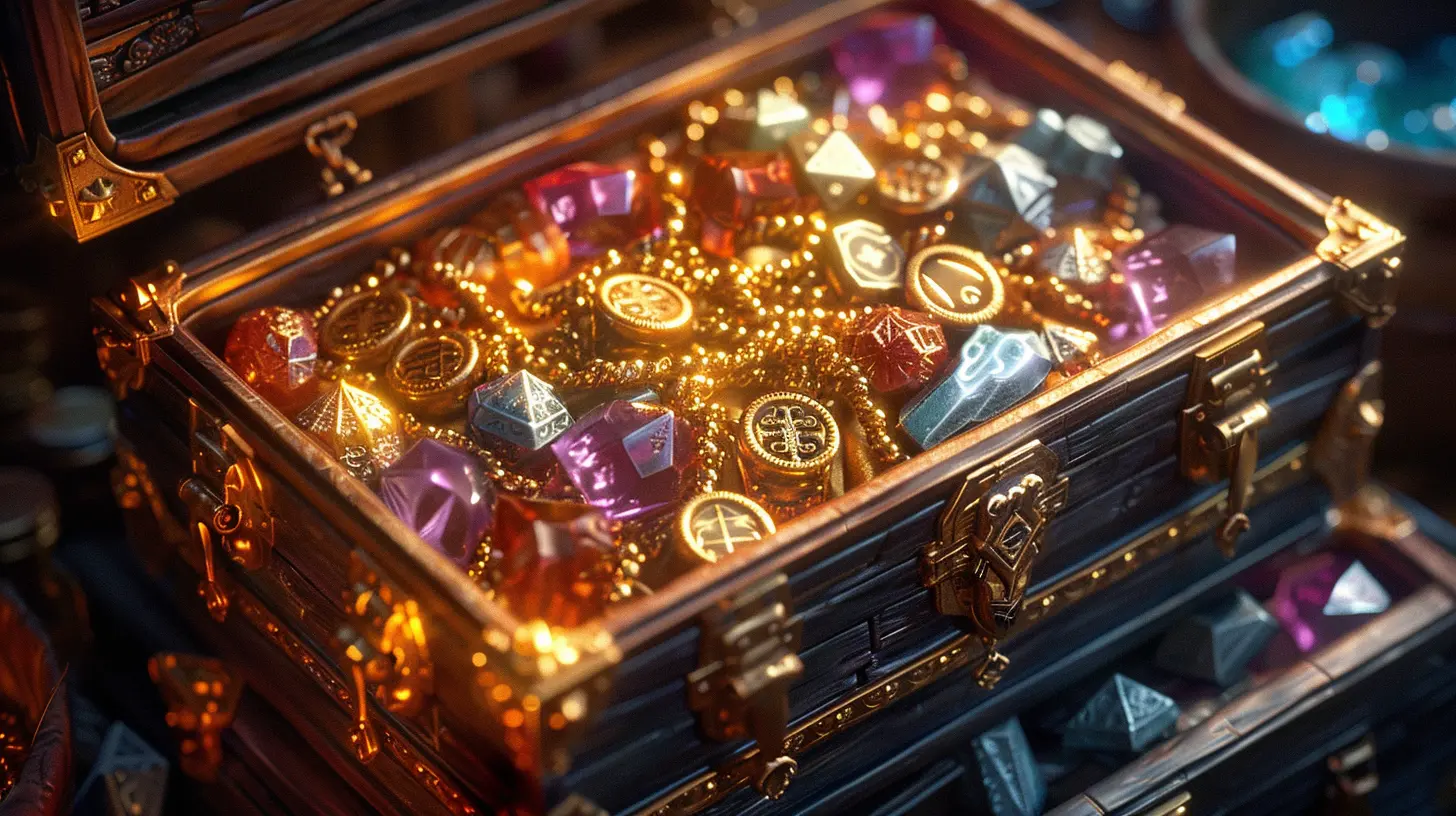
The Inventory Dilemma: What to Carry, What to Dump?
Ever spent 20 minutes figuring out which items to drop just so you can pick up one shiny new gem? Yeah, me too. Limited resources inevitably lead to one of gaming’s oldest and most painful dilemmas: inventory management.You end up asking yourself deep questions like:
- "Do I really need this third broken sword?"
- "Is that mushroom actually important?"
- "Has anyone ever crafted anything useful with six rat tails?"
This constraint pushes players to think ahead. You start optimizing your runs, planning crafting recipes in advance, and sometimes — just sometimes — you kick yourself for turning your only diamond into a funky hat instead of a powerful ring.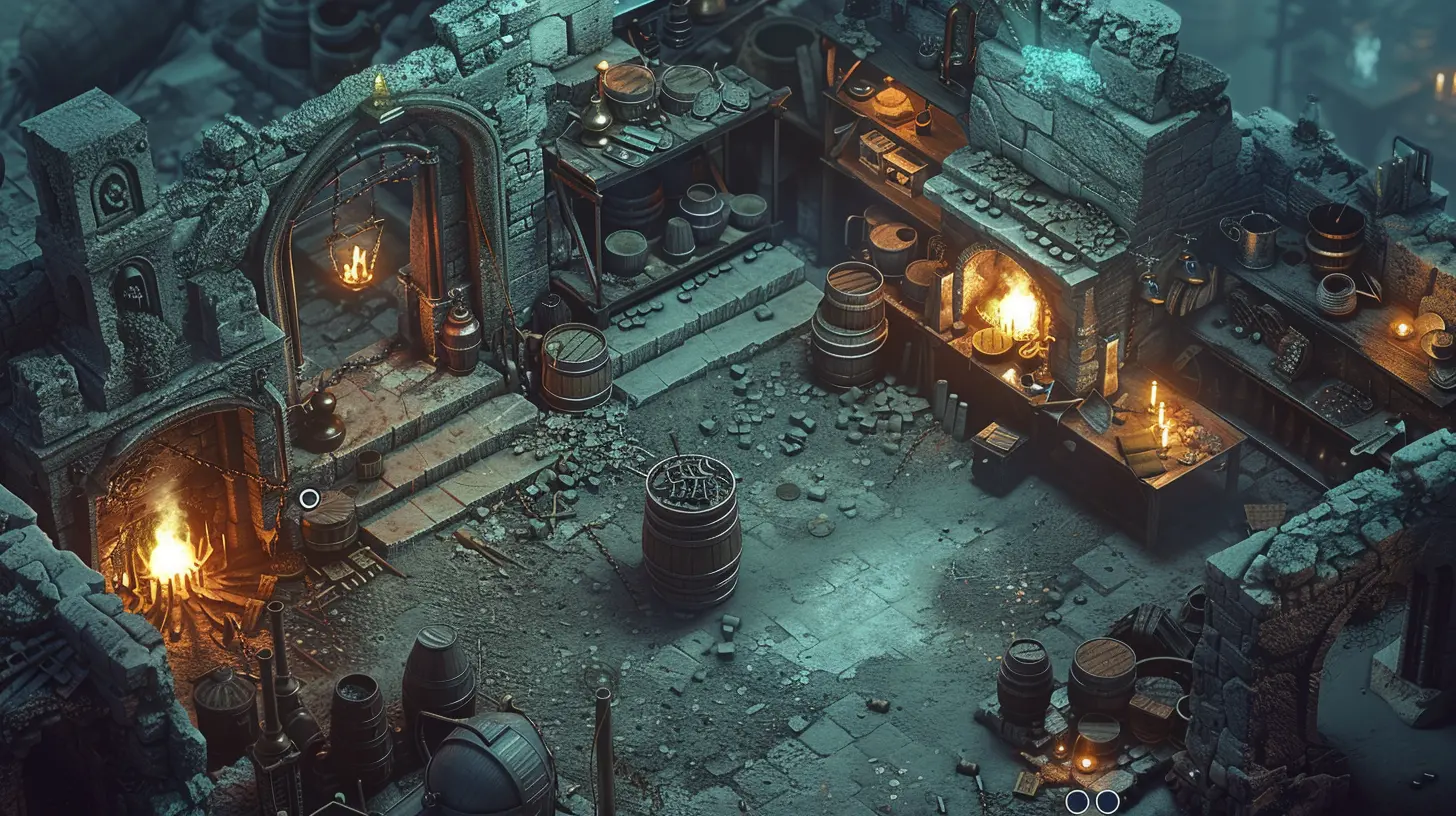
Crafting Priorities: Choose Wisely, Young Padawan
In a world of limited resources, every crafting decision is basically a butterfly effect waiting to mess up your day.Say you're playing a survival game like Don't Starve or The Forest. You have just enough materials to craft either a weapon or a shelter. Choose wrong, and you either get eaten by wolves or freeze to death. Fun times!
This forces you to ask:
- What do I need right now?
- What will I need later?
- What’s going to give me the most value?
You start treating your materials like a financial portfolio. Can you afford to blow all your wood on a super-cool bench? Or should you save it for a trap that might keep you alive for another day?
Scarcity Sparks Creativity (And Chaos)
Nothing breeds creativity like desperation. In games with limited resources, players become innovators, inventors, and — let’s be real — borderline lunatics.You see people creating insane builds in Minecraft with just dirt and cobblestone. Or using junk items in Fallout to make terrifyingly powerful weapons. Why? Because they had to. Necessity is the mother of invention... and also the mother of some really weird in-game inventions.
I've seen someone use a broom, a toothpick, and duct tape to make a weapon in Dead Rising. Was it effective? Not really. Was it hilarious? Absolutely.
Risk vs. Reward: The Heart of the Crafting Puzzle
When resources are tight, crafting becomes a game of trade-offs. Do you want to upgrade your armor now, or save those materials for a weapon blueprint you haven’t even found yet?Games like Subnautica do this brilliantly. You dive deep to find rare materials, but every second down there increases the risk of drowning. You want that rare metal, but is it worth dying for? Probably. But maybe not.
That constant balancing act — between danger and reward, immediate gains and long-term survival — is what makes limited-resource crafting so darn juicy.
Multiplayer Madness: Sharing is (Not) Caring
Add other players to the mix, and crafting strategy gets even spicier.In cooperative games like Valheim or Rust, resource scarcity creates a whole new dynamic. Do you share your iron with your buddy so they can craft pants, or keep it all and strut around with iron boots while Steve freezes his butt off?
Suddenly, guild politics are real. Trading, hoarding, trust issues — it’s like The Bachelor, but with more mining and less screaming. (Okay, maybe the same amount of screaming.)
Crafting Bottlenecks and Gamer Rage
Let’s talk about bottlenecks — those moments when no matter how much other stuff you have, you’re stuck because you need just ONE of an ultra-rare resource.You’re rich in everything except that elusive “Unicorn Horn Fragment” that only drops on the third Tuesday of every month from a boss that appears during a full moon. Sound familiar?
Yep. That’s by design. Game devs want you to feel that tension. It keeps you engaged, pushes you towards exploration, and sometimes... yeah, it makes you rage-quit and go yell into a pillow. But when you finally get that resource? Oh baby, dopamine overload.
Adaptive Playstyles: Evolve or Die
Limited resources don’t just force better choices — they force better players. You can’t just stick to one crafting path and brute force your way through. You have to adapt.Found a rare herb but not enough iron? Time to become a potion master instead of a knight.
Can’t build your favorite shotgun because the materials are sparse? Time to get good with a bow and arrows, Robin Hood.
It turns every playthrough into a unique challenge. Your crafting strategy evolves with the hand you’ve been dealt. That's replayability gold right there.
Scarcity Adds Meaning (And Bragging Rights)
One of the best feelings in gaming? Showing off something you crafted through sheer grit, grind, and resourcefulness.That epic sword? Yeah, you didn't buy it with in-game currency. You fought three ogres, smelted rare ore, and sliced your way through crafting menus like a digital lumberjack.
Scarcity adds value. It makes your items feel earned, not given. You remember the effort behind every piece of armor, every tool, every pointless-but-fabulous accessory you crafted.
And when your friends ask, “How did you get that?” — you get to tell a legendary tale filled with pain, perseverance, and probably a few deaths.
The Future of Crafting: Smarter Scarcity
As games evolve, so does the way they handle crafting limitations. Modern games are starting to implement dynamic scarcity — resources that change availability based on player actions, seasons, or even global server conditions.It’s no longer about just farming the same cave for hours. Now, you’ve got to think like a strategist, a survivalist, and occasionally, a full-blown economist.
Which is awesome — because it keeps things fresh, challenging, and endlessly replayable. And let's be honest, we gamers love a good grind (especially if it’s cleverly disguised as strategic planning).
Final Thoughts: Embrace the Struggle
So, how do limited resources impact crafting strategy? In every way imaginable.They make us think, plan, adapt, and sometimes cry (just a little). They turn crafting from a mindless chore into a vital piece of gameplay — one loaded with tension, satisfaction, and stories you’ll retell for years.
So next time you’re cursing at your screen because you’re missing one more copper ingot, just remember: that frustration means the system is working. It's challenging you. It's making you better. And hey, it might just lead to the most badass frying-pan-sword you’ve ever wielded.
Happy crafting, and may your inventory never overflow with broken spoons again.
all images in this post were generated using AI tools
Category:
Item CraftingAuthor:

Tina Fisher
Discussion
rate this article
1 comments
Wren Curry
Limited resources force players to think creatively, making every crafted item feel significant.
June 17, 2026 at 2:31 PM
Tina Fisher
Absolutely, the scarcity of resources pushes players to innovate and truly value each crafted item. It turns crafting into a strategic challenge rather than just a routine task.