How Game Influencers Inspire the Next Generation
16 January 2026
Gaming has skyrocketed in popularity over the past few decades, and it's no longer just a hobby—it’s a culture, a career path, and a full-blown lifestyle for millions around the world. But there’s something even more fascinating happening right now—game influencers are shaping the future. They’re not just streaming for fun or uploading gameplay videos; they’re inspiring a whole new generation in ways parents, teachers, and even conventional celebrities never could.
Whether you're a casual gamer, a parent of a Fortnite fanatic, or just someone curious about the influence of gaming in modern society, this post will break it all down for you. So, grab your energy drink, lean back in that gaming chair, and let's dive deep into how game influencers are leaving a digital legacy.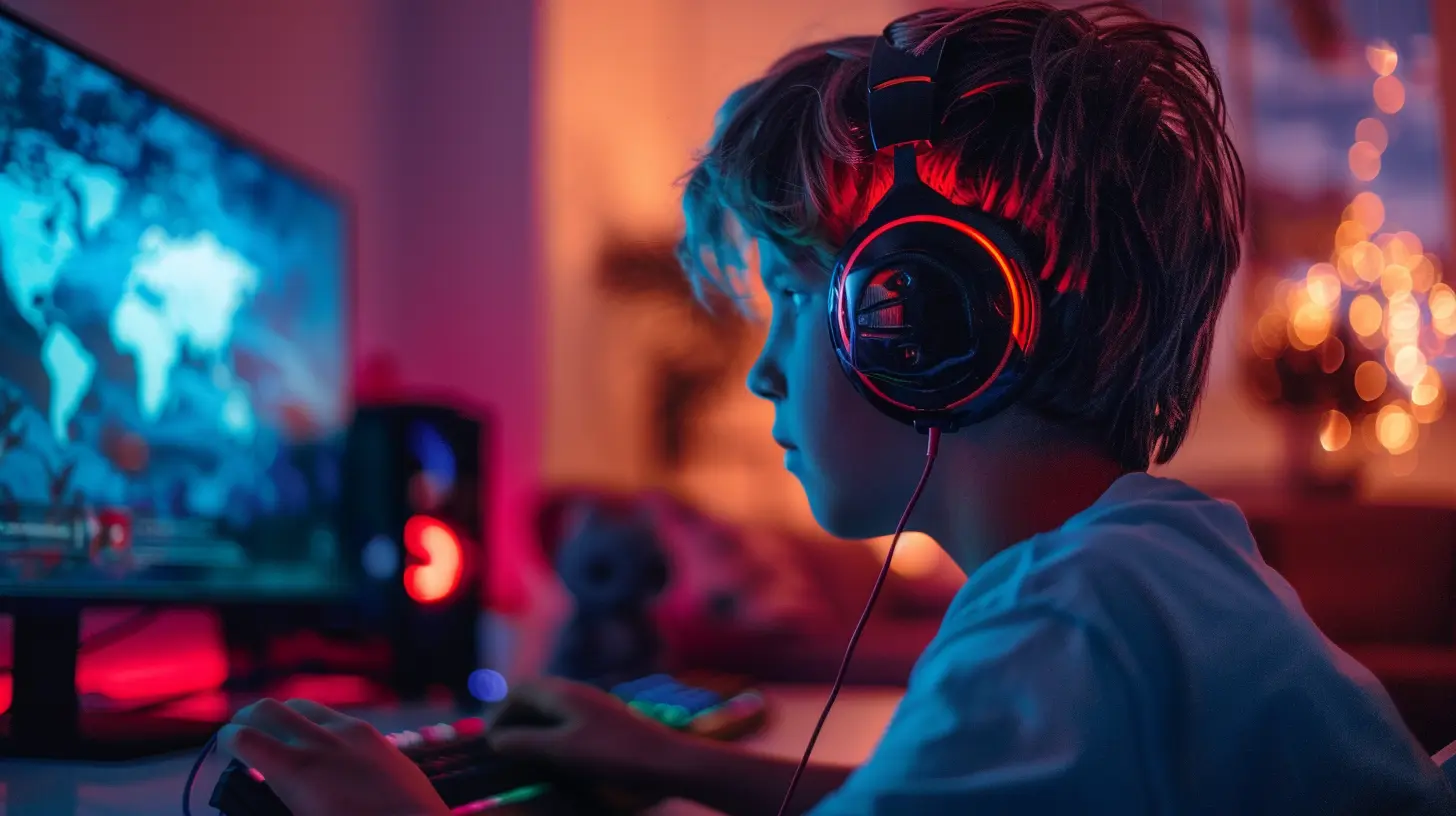
What Exactly Is a Game Influencer?
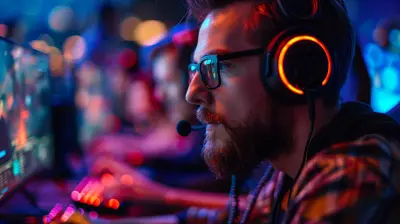
Before we go into the "how," let’s get clear on the "who."A game influencer is someone who has built a dedicated fanbase by creating gaming content across platforms like YouTube, Twitch, TikTok, or even Instagram. They might play games live, post tutorials, stream hilarious moments, or give honest reviews—and thousands (if not millions) of people tune in.
They've got charisma, gaming skills, and most importantly, authenticity. People trust them more than they trust traditional celebrities. Why? Because influencers feel like that cool friend who just knows everything about your favorite game.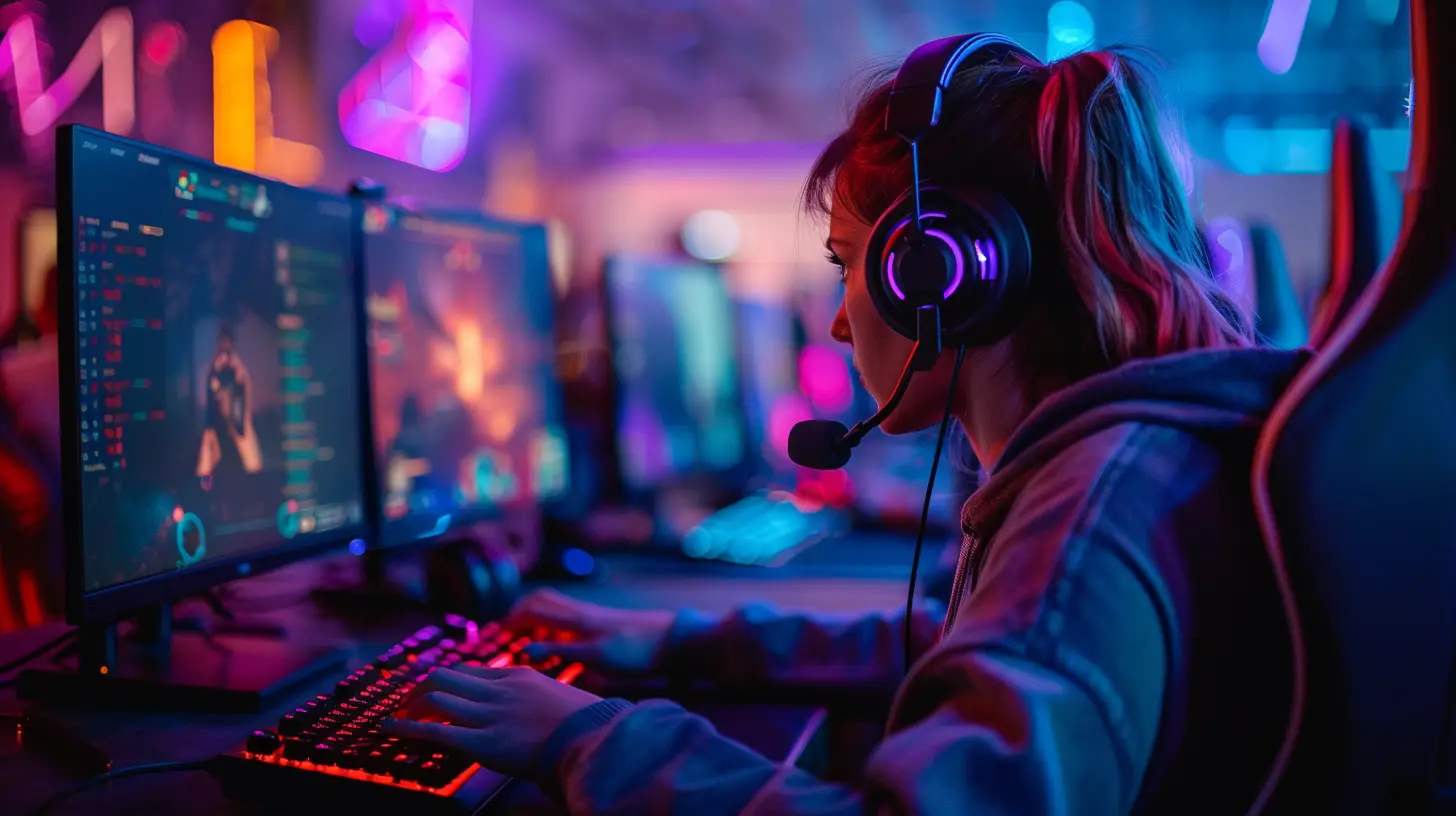
The Rise of Gaming As a Career
Remember when people would say, “You’ll never make a living playing video games”? Yeah, that didn’t age well.Today, many game influencers are raking in serious cash through sponsorships, ad revenue, donations, and lucrative brand deals. The message they’re sending rings loud and clear: You can turn your passion into a profitable career.
For younger audiences, this is everything. Imagine being 12 years old and seeing someone just 10 years older making a living from playing Minecraft or Call of Duty? Inspiring? Heck yes!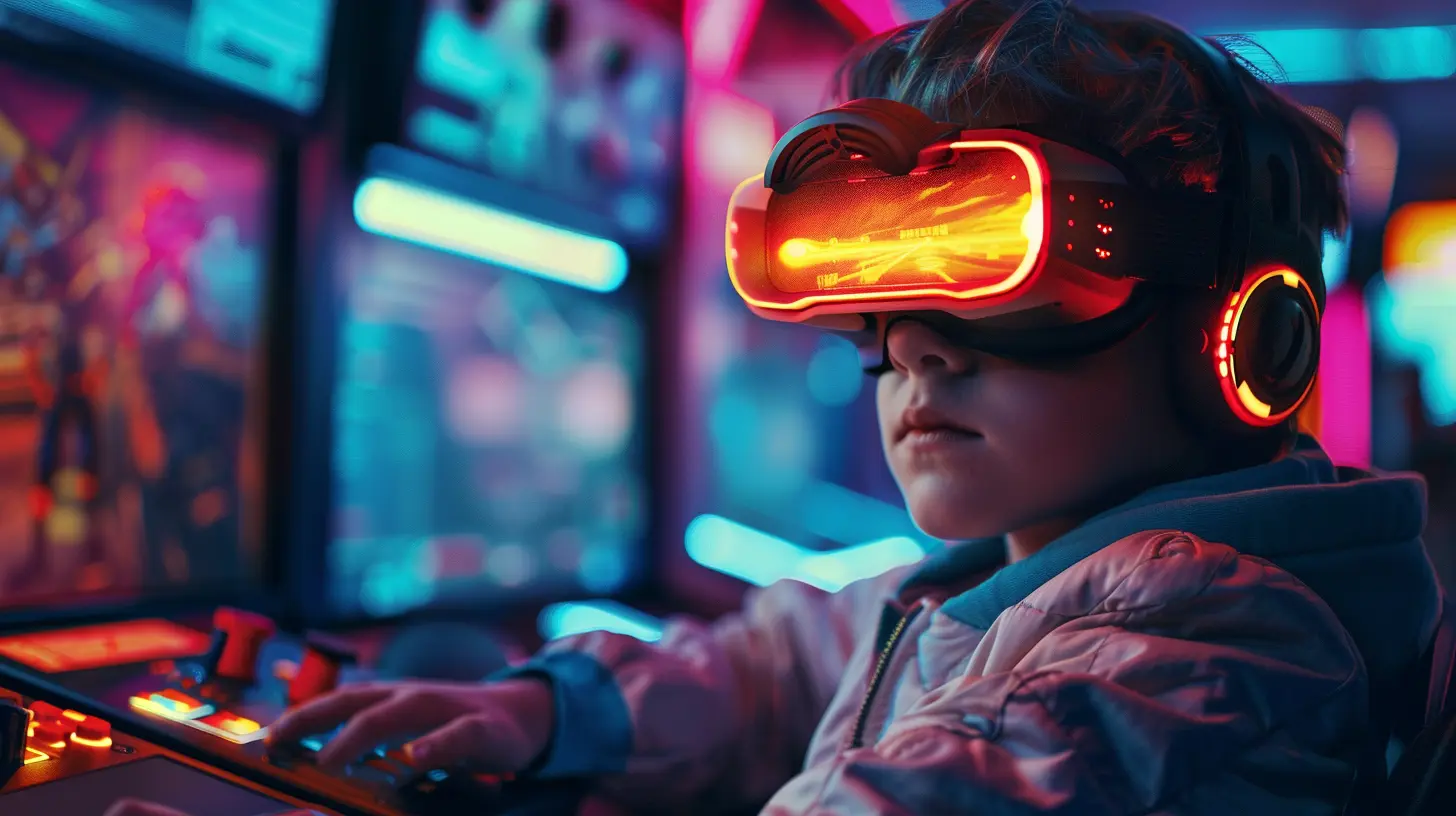
Building a Stronger Gaming Community
Influencers do more than just entertain—they build communities. They have Discord servers, live chat hangouts, and collaborations with other creators. It's like one massive virtual clubhouse where everyone speaks the same nerdy language.This sense of community plays a huge role in shaping young minds. It encourages teamwork, acceptance, and friendship. Kids and teens find a tribe where they belong, where their love for gaming is celebrated, not judged.
Plus, watching a favorite streamer battle through a tough level or laugh through a fail makes players feel connected—they’re not alone in their gaming journey.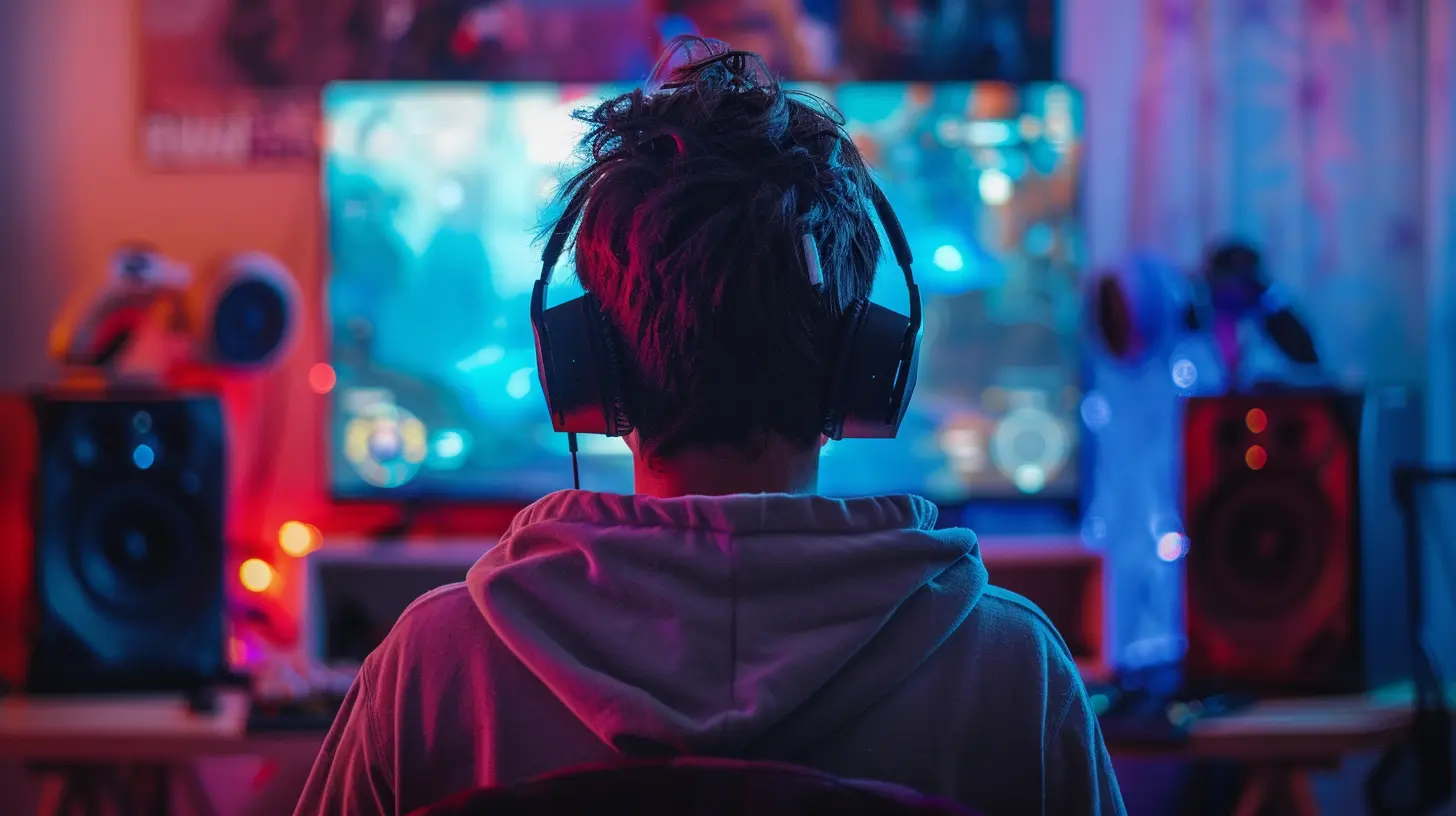
Role Models Redefined
Gone are the days when role models wore jerseys or stood on Hollywood stages. Now, they might be sitting in a hoodie in front of a glowing RGB keyboard.Game influencers redefine what it means to be a role model. They show vulnerability. They talk openly about mental health. They admit to making mistakes in the game and in life. And by doing so, they become more relatable than the airbrushed icons of previous generations.
For many kids, game influencers offer something more genuine and down-to-earth. It's like looking up to that older cousin who’s cool but still real.
Encouraging Creativity and Learning
Believe it or not, game influencers can be a gateway to learning. Think about it—how many kids started editing videos, composing music, or coding mods because they were inspired by their favorite gamer?Games like Minecraft, Roblox, or even The Sims have massive communities built around creativity. Influencers constantly challenge their fans to build epic structures, design new maps, or create original stories. And the fans answer the call.
It promotes problem-solving, design thinking, storytelling—skills that are super relevant in today’s digital world. So while it might look like "just playing games," it’s actually sparking creative fires in young minds globally.
Diversity and Representation Matter
Representation in gaming used to be… well, let’s just say it wasn’t great. But today’s influencers are changing the game—literally.There’s now more diversity in gaming influence than ever before. Women, people of color, members of the LGBTQ+ community—everyone is stepping up and carving out space. And this matters.
When young gamers see someone who looks like them succeeding in the gaming world, it sends a powerful message: “You belong here too.”
Inclusivity isn’t just a buzzword—it’s a beacon for next-gen gamers trying to find where they fit in.
Teaching Resilience Through Gaming
Losing sucks—whether it’s failing a level or getting knocked out in the first round of a battle royale.But game influencers don’t just show their wins. They show the grind, the retries, the rage-quits, and the comebacks. That’s golden content—and it teaches something more valuable than any how-to guide: resilience.
Young viewers learn that it’s okay to fail, as long as you keep trying. And that mentality? It's transferable to real life—school, sports, relationships, you name it.
Social Impact and Activism
Many game influencers now use their platforms to speak on real-world issues. Charity streams, mental health awareness campaigns, and discussions around bullying or inclusivity are becoming the norm.And when someone you admire talks about something important, you listen.
Game influencers aren’t just pushing merch and new gameplay—they’re pushing for change. They’re blending entertainment with empathy, and that can leave a lasting impression on younger viewers.
Bridging the Gap Between Generations
Here’s a surprise twist: game influencers aren't just influencing kids.They’re helping bridge the gap between parents and children. Many parents who once rolled their eyes at "just watching someone else play games" are now recognizing the value. Some even join in and game with their kids—crazy, right?
Gaming used to be seen as isolating, but now it’s building bonds. Influencers often spark conversations that otherwise wouldn’t happen. Like, “Hey Dad, did you see what Dream did in his last Minecraft video?” That's connection, straight up.
The Power of Authenticity
In a digital world full of filters, edits, and fakeness, game influencers are refreshingly real (well, most of them).They’re goofy. They mess up. They laugh at themselves. And they talk directly to their fans like friends, not followers.
That authenticity is magnetic. Kids are drawn to it. It feels honest, and honestly? That’s a huge part of why they’re so inspiring.
Leading by Example: Discipline and Strategy
Let’s be real—gaming at a high level is tough. It takes crazy focus, strategy, and discipline. Whether it's mastering frame-perfect combos in Smash Bros or coordinating raids in Destiny 2, a lot of work goes behind the scenes.When influencers share that grind—the hours of practice, the missed meals, the frustration—and still keep pushing, it models dedication.
Gaming isn’t just button-mashing. It’s more like digital chess or competitive sports. And that lesson sticks with viewers who watch closely.
Collaborating and Networking
Game influencers also show the next generation the importance of collaboration. They’re constantly teaming up for guest streams, dual YouTube videos, and challenge events. These collabs teach young fans that teamwork and connections matter just as much in digital spaces as they do in real life.It's not about who gets the most kills—it's about who works best with others. That's a lesson that echoes beyond the screen.
The Next Generation of Creators
Perhaps the most exciting part? Game influencers are planting the seeds for the next wave of content creators.Kids aren’t just dreaming about becoming astronauts or pop stars anymore—they want to stream, to create, to entertain. They look up to creators like Valkyrae, Ninja, IShowSpeed, or Pokimane and think, “Hey, maybe I can do that too.”
And guess what? They're already starting. With basic tools on phones or consoles, young creators are uploading videos, learning editing, and building small but growing audiences.
This isn’t just influence—it’s legacy.
Final Thoughts: It’s More Than Just a Game
So the next time someone brushes gaming off as a waste of time, point them to the incredible impact game influencers are having.They’re role models, educators, entertainers, and community builders. They inspire creativity, inclusivity, and resilience. And perhaps most importantly, they’re proving to the next generation that you can turn your passion into something real.
Gaming isn’t just the future—it’s the now. And these influencers? They’re the ones steering the ship.
all images in this post were generated using AI tools
Category:
Game InfluencersAuthor:

Tina Fisher
Discussion
rate this article
2 comments
Bianca Alexander
Game influencers play a pivotal role in shaping the gaming landscape by inspiring young players through creativity, community engagement, and authentic content. Their impact fosters passion and innovation within the next generation of gamers.
January 26, 2026 at 5:21 AM
Tina Fisher
Absolutely! Game influencers truly inspire the next generation by blending creativity with community, igniting passion and innovation in young gamers. Their authentic content shapes a vibrant gaming culture.
Mila McKinnon
Game influencers spark creativity and passion, shaping a vibrant future for gamers!
January 17, 2026 at 5:57 AM
Tina Fisher
Absolutely! Game influencers play a crucial role in igniting creativity and passion among gamers, paving the way for an exciting and innovative future in gaming.