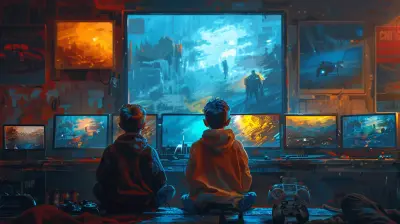
How Crafting Encourages Replayability
30 June 2026
Crafting in video games—just the sound of it can spark a mix of excitement and dread. You either love spending hours perfecting the ultimate sword or can't stand picking another piece of iron ore. But here's the thing: despite the polarized opinions, crafting systems play a massive role in how long we stay hooked on a game.
Replayability is the secret sauce that keeps players coming back long after the credits roll. And you might be surprised how strongly crafting contributes to that. Let's dive into why crafting isn’t just another system—it’s often the reason we hit “New Game” even when our backlog is bursting.
What Does Replayability Even Mean?
First, let’s get on the same page. Replayability is basically the potential of a game to stay fun, engaging, and fresh, even after you’ve finished it—or at least think you have. It makes you want to play again and try different choices, builds, or approaches.Now, you may be thinking, “Okay, but where does crafting come into all this?”
Glad you asked.
Crafting: More Than Just Mixing Stuff Together
Crafting systems have evolved far beyond mixing herbs for potions or gluing metal bits together for armor. Today, crafting reflects deeper gameplay mechanics. We’re talking about dynamic choices, personalization, and even economy control.It’s basically like a sandbox inside a sandbox.
When done right, crafting gives you control. You can tweak weapons, customize gear, and even define how your character evolves. That sense of ownership? Yeah, it's addictive. And that's the first clue to crafting’s role in replayability.
A Game Within the Game
Ever played Minecraft, Terraria, or Valheim? These games thrive because crafting IS the game. There’s no single “win” condition. You shape your adventure based on what you choose to create. And that opens the door to infinite playstyles.Want to build a floating castle? Go for it. Prefer to master every potion in the game? You do you.
This freedom ensures every playthrough feels like your own. When you finish one run, the mind starts racing with "What if I tried it this way instead?" That curiosity is crafting's biggest strength—it keeps your imagination alive.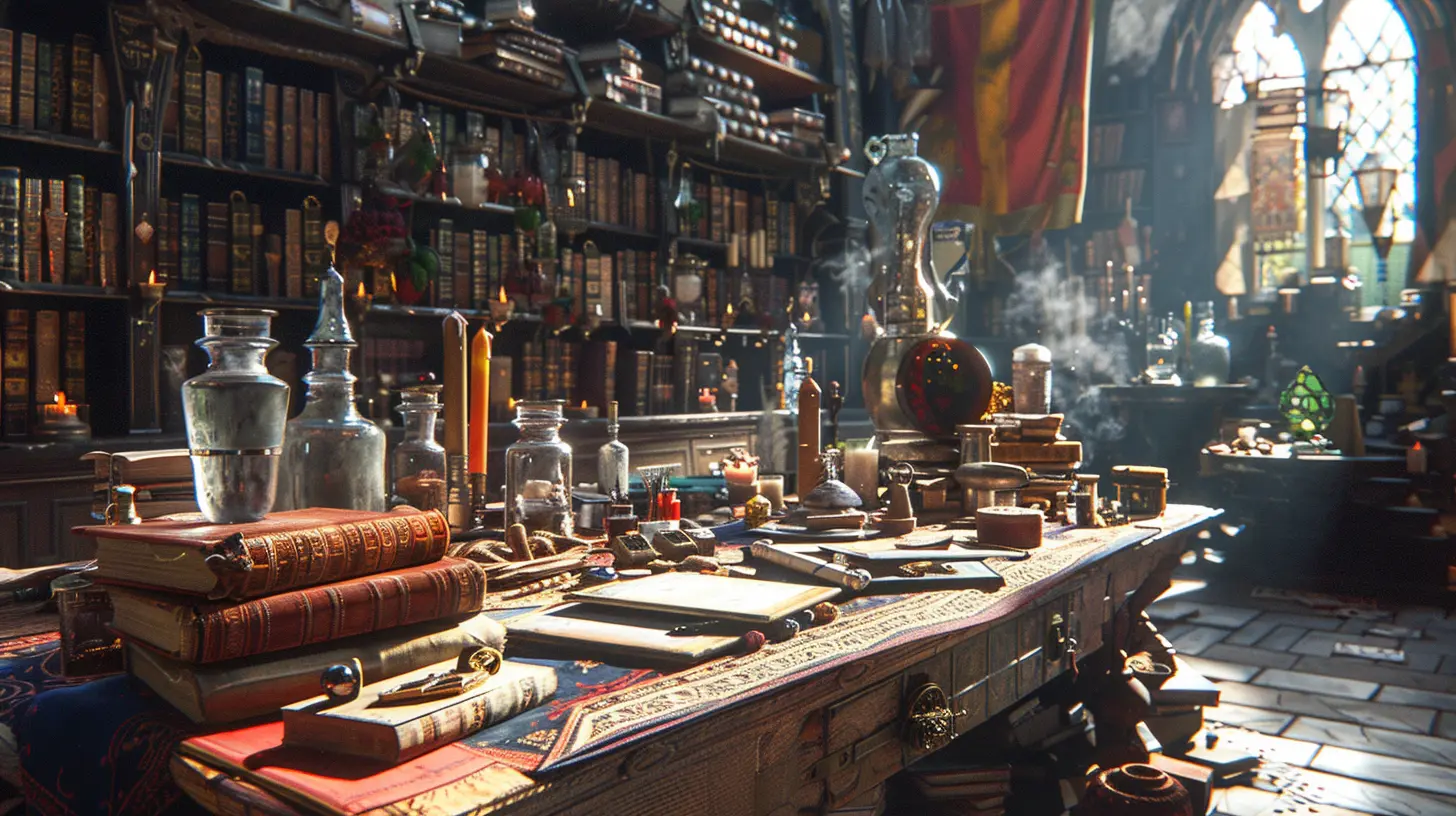
Personalization = Emotional Investment
Let’s face it, we’re all a little vain when it comes to our loadouts. Creating a weapon from scratch or tailoring gear to fit your playstyle feels personal. You've poured time, effort, and resources into this gear—it’s your baby.You’re not just playing a game anymore. You’re expressing yourself.
And when players feel emotionally invested, they're more likely to dive back in. Because next time? You could try a different approach, use a new combo, or test a build you didn’t consider before.
Think of it like cooking. Sure, you’ve made a killer pasta once, but how about trying it with different spices next time?
Crafting Fuels Experimentation
One thing crafting does brilliantly is encourage you to mess around. Maybe last time, you went all-in with fire elemental gear. This time? You're thinking poison damage and stealth. Entire playstyles can shift based on what you craft.Some games even let you craft gear that complements a new build. Suddenly your rogue can wield a bow that leaves enemies bleeding over time, or your mage gets a staff that regenerates mana faster.
The possibilities are like Lego blocks—you're snapping different pieces together to build something entirely new. And that trial-and-error loop is incredibly satisfying.
The Hunt for Resources Can Be Addicting
Let’s talk grind. Yes, that word can make some people wince. But hear me out: when it’s tied to crafting, grinding for materials often feels more meaningful.You’re not just farming wolves because a quest told you to. You’re doing it because you need their hide to craft that sleek new armor. There’s a goal behind the grind—and that makes all the difference.
What happens when you finally get that rare crafting material you’ve been hunting for hours? Pure dopamine. And guess what? You’re probably already thinking about what else you could use it for in the next playthrough.
Crafting Systems Can Evolve Between Playthroughs
One underrated reason crafting helps with replayability is that many games lock crafting options behind progress.On your first run, you might only scratch the surface. But by the second or third, you’ve unlocked deeper levels of crafting mechanics—more complex recipes, rarer materials, hybrid items, or even entirely new subsystems.
Think of it like peeling an onion (without the tears). Each playthrough reveals another juicy layer.
Titles like The Legend of Zelda: Tears of the Kingdom, for example, introduced crafting mechanics that get even more creative as you play. The further you venture, the more options open up—feeding that itch to replay and experiment all over again.
Crafting Feeds Into Player Progression
There’s something satisfying about watching your stats tick up whenever you craft a better weapon or armor piece. It’s direct, visible progress—and it rewards your effort.Some games, like Skyrim or The Witcher 3, tie crafting to skill trees. The more you craft, the better you get at it. So if you return to the game, you might want to try leveling up different professions the next time around.
“Oh, last time I focused on blacksmithing—this time I’ll be an alchemist.”
That choice adds flavor to each run, and more importantly, it gives each new playthrough a distinct identity.
It Encourages Exploration
Crafting isn’t just about the recipe—it’s about the hunt. To find that one rare ingredient, you may end up exploring caves, forests, or enemy camps you completely skipped the first time.In a way, crafting lures you into discovering parts of the game world you never bothered with before. And when you replay, you might pursue entirely different resource routes, uncovering hidden content and new stories.
Crafting becomes a breadcrumb trail leading to unexpected adventures.
The Community Factor
Let’s not forget the social aspect. Gamers love sharing crafting tips, build guides, and resource-farming routes. If you’ve ever been down a Reddit rabbit hole of optimization strategies, you know what I mean.One person’s “OP Crafting Build” becomes your next weekend project.
This kind of community-driven content keeps the conversation going long after launch. And when you see others experimenting with wacky or genius crafting strategies, it often inspires you to jump back in and try it out yourself.
Not All Crafting Systems Are Made Equal
Let’s get real—some crafting systems are boring. If all you're doing is clicking a button to combine two items with no real thought or customization, it’s not going to do much for replayability.But when crafting is deep, complex, and meaningful? That’s where the magic happens. Great games strike a balance between accessibility and depth. They make you feel clever for figuring something out, but never overwhelmed by complexity.
Games like Subnautica nail this balance beautifully. You need to craft to survive, but the system itself is addicting enough to keep you playing, even when you don’t have to anymore.
How Developers Use Crafting to Boost Retention
Game devs are smart. They know a well-implemented crafting system can stretch gameplay hours significantly without feeling forced. By adding multiple layers to crafting—like limited-use materials or interdependent systems—they create a loop that constantly tempts you to return.Some even tie crafting to seasonal events or DLC content. Suddenly that sword you made last year? It’s outdated. Time to hop back in and make something even cooler.
It’s like fashion—there's always something new to try.
Crafting Isn’t Just a Feature—It’s a Philosophy
At its core, crafting reflects the player’s desire to do something meaningful within the game world. You’re not just consuming content—you’re creating it. That active engagement is what makes crafting so sticky.It’s the difference between reading a story and writing one.
When crafting is done right, it adds infinite value to a game. Not because it’s mandatory, but because it gives you the tools to make your journey special—and worth repeating.
Final Thoughts
By now, it’s pretty clear that crafting isn’t just a side system. It’s a replayability powerhouse. From giving players creative freedom to unlocking experimental builds and encouraging exploration, crafting is the kind of mechanic that breathes life into second (and third, and fourth) playthroughs.So next time you find yourself knee-deep in crafting menus, don’t roll your eyes. That system you’re messing with? It might be the reason you come back for more.
Now go make something awesome.
all images in this post were generated using AI tools
Category:
Item CraftingAuthor:

Tina Fisher
Discussion
rate this article
1 comments
Skye Peterson
Crafting breathes new life into worlds, inviting players to explore and create. Each unique choice beckons them back, weaving tales that spark endless adventures...
June 30, 2026 at 3:57 AM
Tina Fisher
Absolutely! Crafting opens up countless possibilities, making each playthrough feel fresh and exciting. It really does inspire new stories and adventures.