How a Gorgeous Art Direction Sets the Tone Early On
21 February 2026
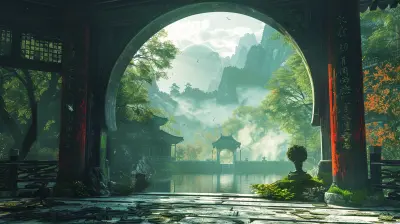
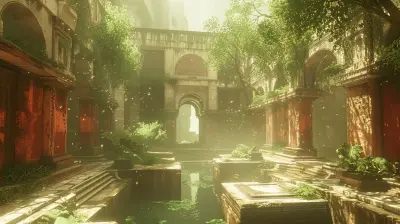
When you fire up a new game, what’s the first thing that strikes you? Maybe it’s the thrilling music spiking your adrenaline, the tantalizing story hinting at an epic adventure, or even the sheer excitement of diving into the unknown. But let’s be real: nothing grabs you by the collar quite like jaw-dropping visuals. And no, I’m not just talking about 4K textures or ray tracing – I mean the art direction. A game's art direction isn't just eye candy; it’s the backbone of immersion, the silent storyteller that subtly whispers, "This is the world you're stepping into." Let’s dive into how a stunning art direction sets the tone early on and why it’s a make-or-break aspect of game design.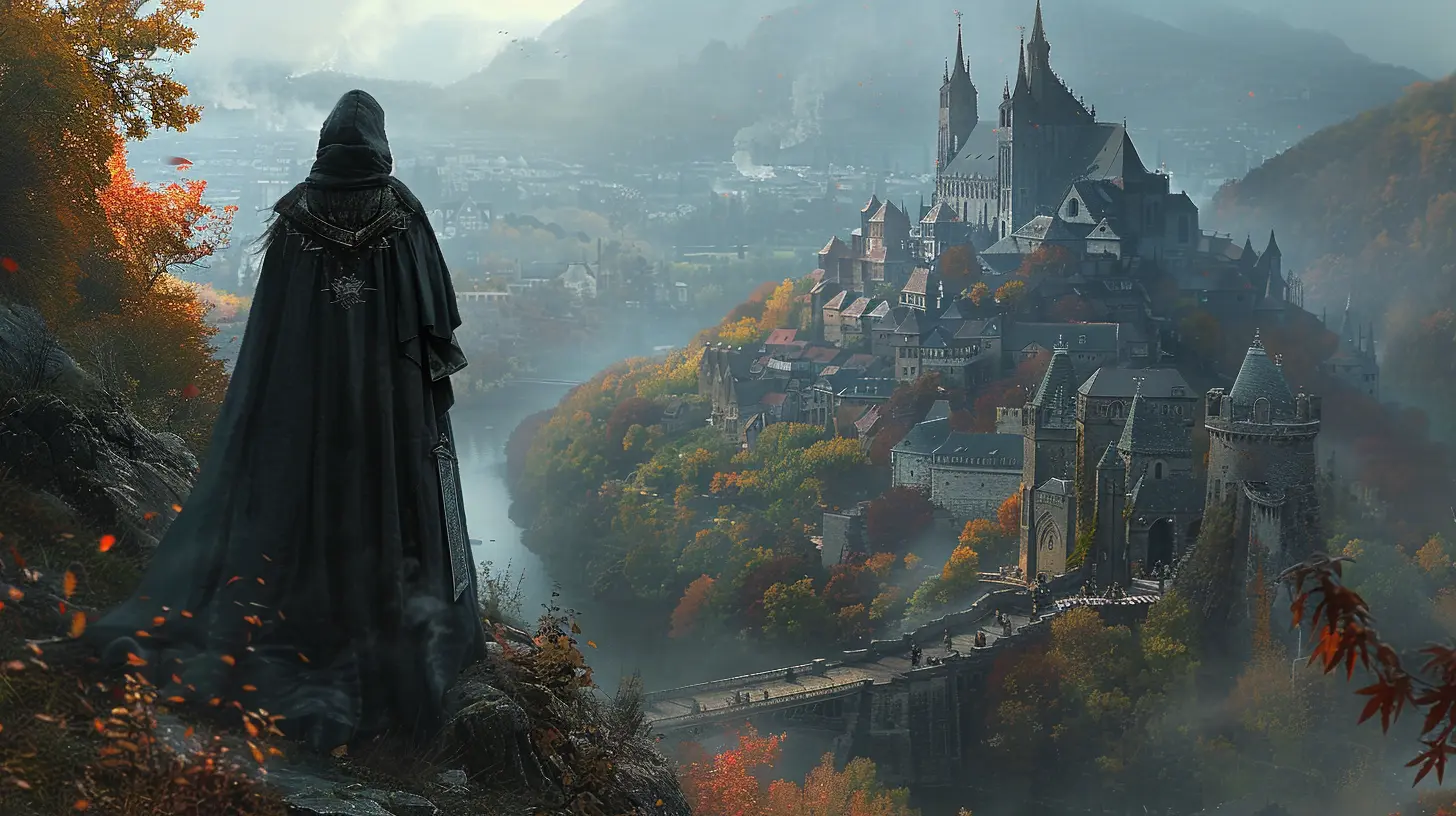
What Exactly Is “Art Direction” in Games?
Before we get ahead of ourselves, let’s break it down. Art direction is more than fancy graphics or slick animations. It’s a cohesive visual style—a deliberate combination of colors, shapes, lighting, and design choices that define the game’s overall aesthetic. Think of it as the vibe curator of a game, setting the mood and tone without saying a single word.We’ve all played games where the art direction sticks with us long after we’ve turned off the console. Remember the bleak, oppressive dystopia of Inside? Or the fantastical watercolor landscapes of Ori and the Blind Forest? That’s art direction at its finest—it doesn’t just look good; it feels right. It pulls you in, telling you exactly what kind of journey you’re about to embark on.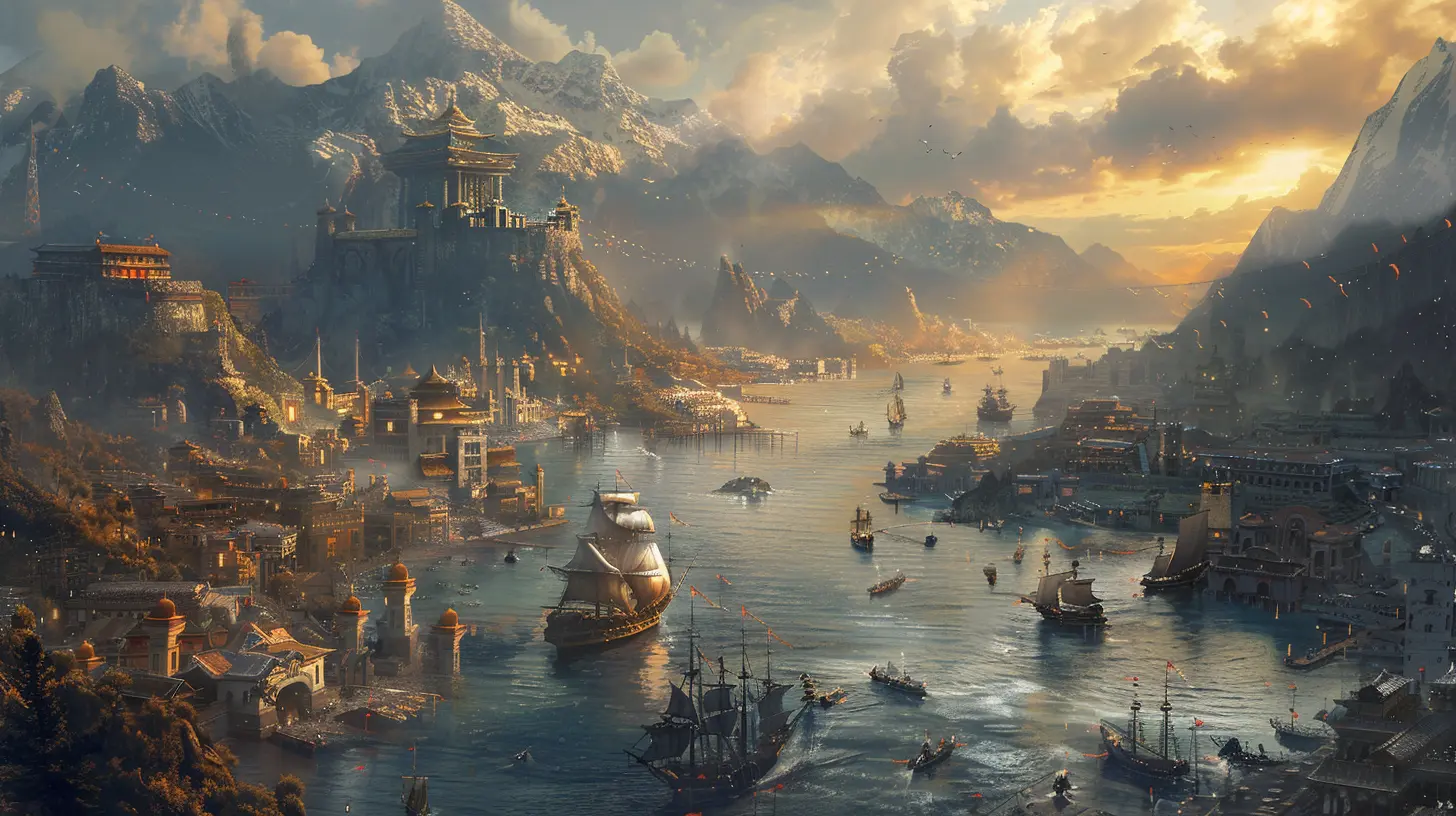
First Impressions Matter: Hooking Players Instantly
Let's not beat around the bush—gamers are a tough crowd. They’ll judge your game within the first five minutes, often before gameplay mechanics or story can even unfold. That’s where a killer art direction swoops in to save the day. It’s that instant hook, setting players up to believe in the world they’re about to explore.Imagine booting up Hollow Knight for the first time. The muted blues and blacks, the eerie glow of the underground tunnels, and the intricate gothic design all scream, “You’re about to enter a melancholy yet enchanting world.” Even if you didn’t have a clue about the story or gameplay, you knew the vibe from the get-go. That’s the power of a well-thought-out artistic vision—it communicates without words.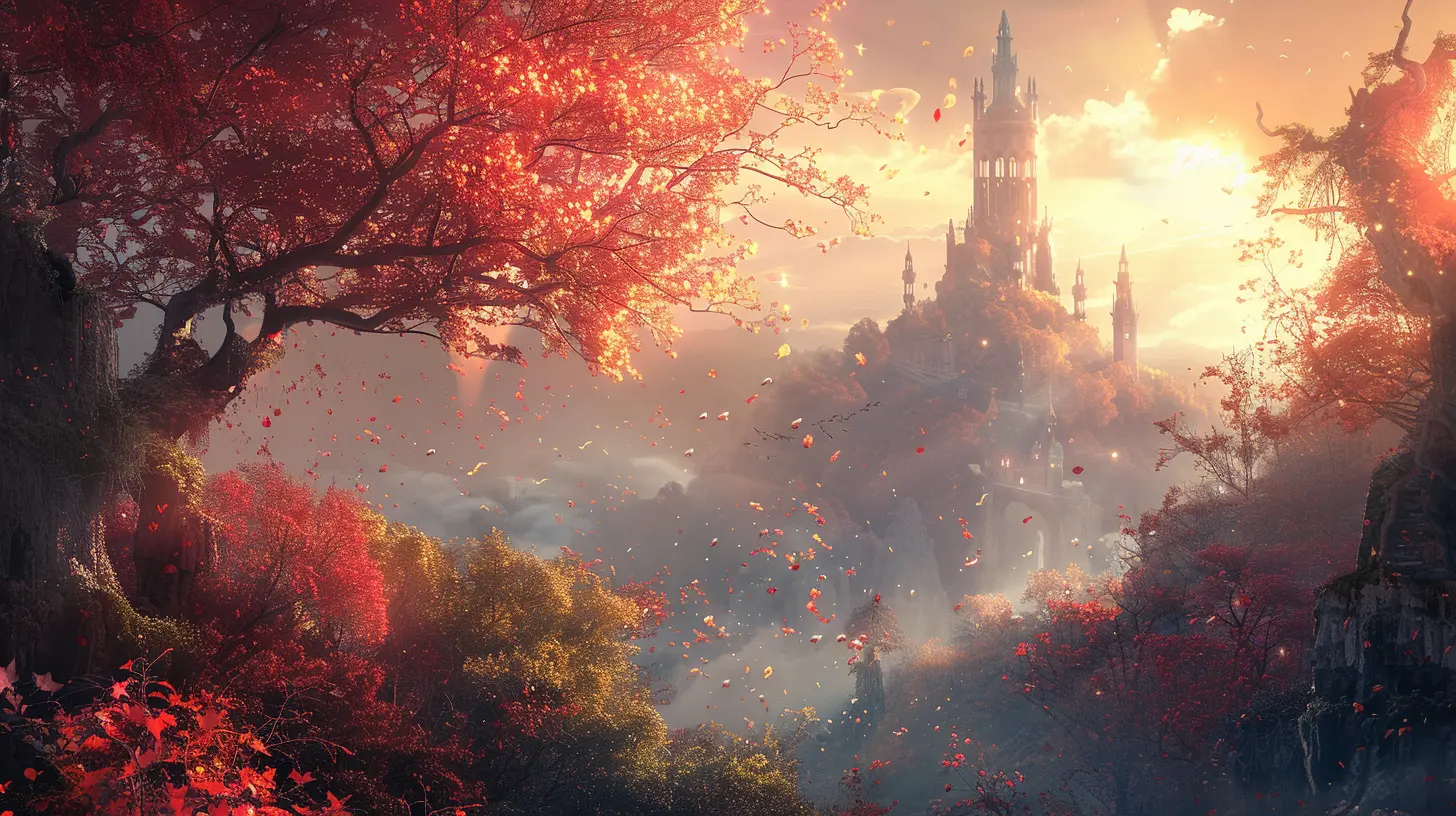
Setting the Emotional Tone
Art direction isn’t just about aesthetics; it’s about emotion. It tells you what to feel, often before you can articulate it yourself. Developers use color palettes, lighting, and visual motifs to evoke specific moods.Take The Last of Us, for example. Its art direction leans heavily into earthy tones and overgrown ruins. The decaying, post-apocalyptic environments tell you everything you need to know about its world: it’s bleak, dangerous, and yet… oddly beautiful. The chiaroscuro lighting (yep, fancy word alert) bathes scenes in a mix of shadows and light, reflecting the emotional highs and lows of Joel and Ellie’s journey.
On the flip side, you’ve got something like Animal Crossing: New Horizons. The bright, pastel colors and rounded designs instantly put you at ease. It’s like the video game equivalent of a warm hug. Here, art direction isn’t just setting the tone—it’s setting the vibe, the “Hey, no rush! Just enjoy the ride” kind of feeling.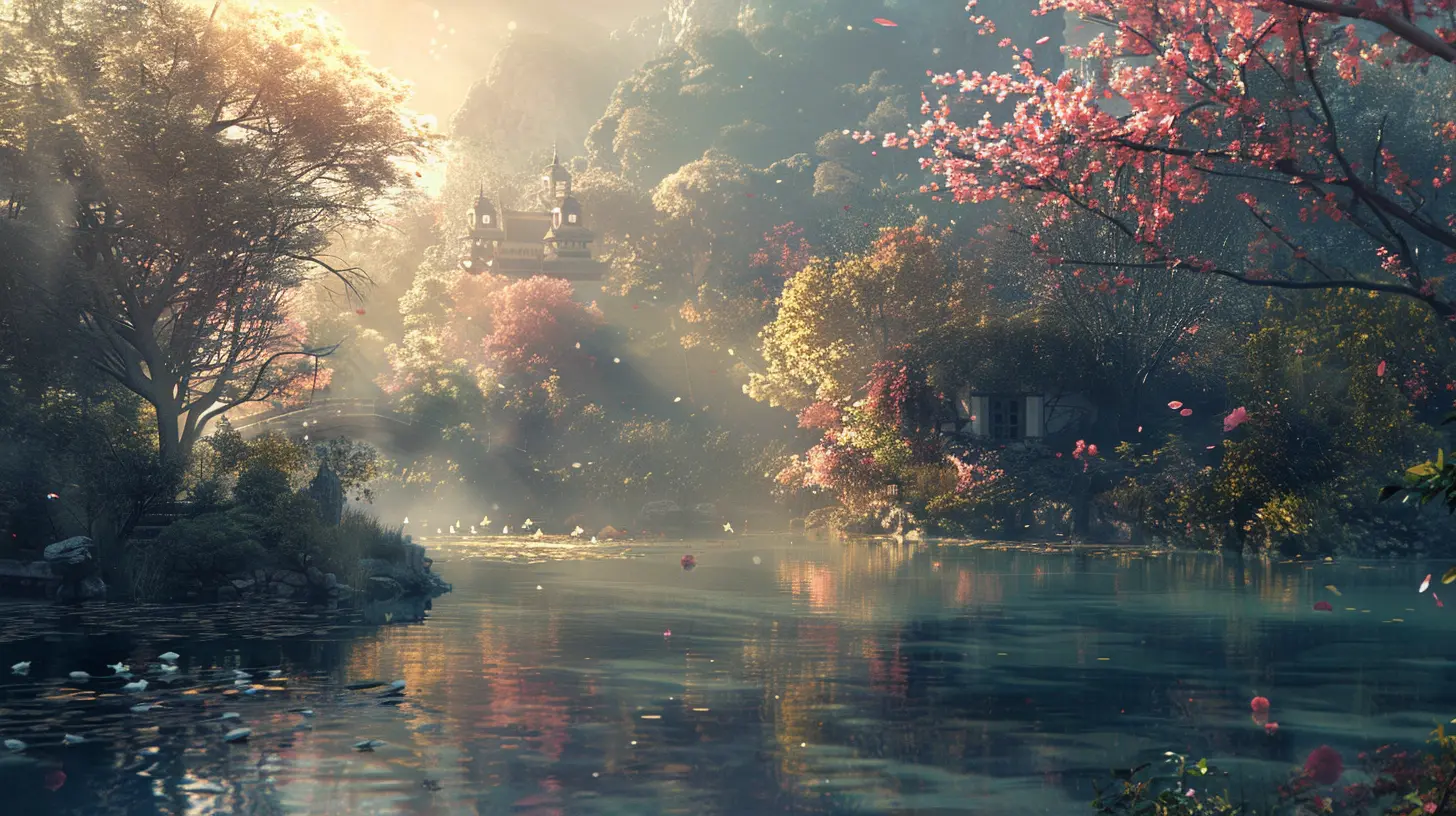
Building a Cohesive World
Okay, let’s talk world-building. You can have the most compelling story or intricate gameplay, but if the world doesn’t feel believable, it’s game over. This is where art direction shines. It builds a cohesive world where every element feels like it belongs.Ever played Dark Souls? That franchise is the gold standard for art direction. Every cracked stone, desolate castle, and twisted monstrosity contributes to its oppressive, foreboding atmosphere. You don’t need a map to figure out that you’re in a punishing, unforgiving world—it’s embedded in every visual cue.
On the flip side, look at something like Breath of the Wild. Its art direction is a love letter to open landscapes, with painterly skies and soft lighting that make you feel like you’ve stepped into a living canvas. Even though the gameplay is completely different from Dark Souls, the world feels equally cohesive—but for entirely different emotional reasons.
Storytelling Through Visuals
Here’s the thing: not every story requires an exposition dump or hours of dialogue. Sometimes, the visuals do all the heavy lifting. Great art direction has this uncanny ability to show instead of tell.Remember the haunting beauty of Journey? It didn’t need text or dialogue to convey its themes of solitude, wonder, and companionship. The use of warm, golden sands contrasted with cool, mysterious ruins told you everything you needed to know about the journey ahead. Every frame looked like it belonged in an art gallery, and yet, it never felt pretentious—it just felt right.
Similarly, Bioshock uses every inch of Rapture's art deco design to reinforce its themes of greed, ambition, and downfall. Walking through its faded grandeur, you can almost feel the ghosts of the city’s utopian dreams gone horribly wrong. Again, the art direction is doing the storytelling heavy lifting here, blending form and function seamlessly.
Why Art Direction Needs to Be Intentional
Now here’s where things get tricky: not all games can (or should) aim for hyper-realism. In fact, some of the most memorable games out there deliberately opt for stylization over realism. Why? Because it’s an intentional artistic choice that better serves the game’s narrative and tone.Take Cuphead, for instance. Its 1930s-inspired cartoon art style isn’t just a gimmick—it’s a fully fleshed-out artistic vision that pairs perfectly with the game’s challenging but whimsical nature. Similarly, Minecraft ditches realistic textures for blocky, pixelated visuals that give players the freedom to imagine beyond what’s on screen.
Intentionality is key here. The best art direction isn’t about throwing a bunch of pretty images together—it’s about crafting a cohesive, purpose-driven look that complements the gameplay and narrative.
How Art Direction Influences Gameplay
Here’s a surprising twist: art direction doesn’t just make a game look good; it can directly affect how you play. Smart developers use visuals to guide players, set expectations, and even manipulate emotions.Take Portal as an example. Its sterile, minimalist environments aren’t just there for aesthetics—they reinforce the game’s puzzle-centric focus. The clean lines and stark white walls make it easier for players to spot interactive elements, subtly guiding them without being overbearing.
In contrast, games like Celeste use vibrant colors to signal emotional beats in the story. The mountain becomes a living, breathing metaphor for the protagonist’s struggles, with each visual element tying into her emotional journey. That’s art direction working hand-in-hand with gameplay to create something truly memorable.
Art Direction vs. Graphics: What’s the Difference?
Here’s a common misconception: people often lump “art direction” and “graphics” into the same bucket. They’re not the same thing. Graphics refer to the technical quality—how sharp or detailed everything looks. Art direction is the creative vision that drives the overall aesthetic.Think about it like this: A blockbuster movie can have stunning CGI, but if the cinematography and visual storytelling are dull, it won’t stick with you. Similarly, a game with realistic graphics but bland art direction feels, well… forgettable. It’s the artistic choices behind the pixels that create lasting impact.
Just look at The Legend of Zelda: Wind Waker. Despite being over two decades old, its cel-shaded art style still holds up today. Meanwhile, some hyper-realistic games from the same era feel laughably dated. Moral of the story? Art direction ages gracefully; graphics don’t.
The Risks of a Weak Art Direction
Not every game nails it. A lackluster or inconsistent art direction can confuse players, break immersion, or worse, make the game feel generic. Nobody wants that, right?Imagine a horror game with bright, neon-colored environments. Feels off, doesn’t it? Or an epic fantasy RPG with a mishmash of unrelated art styles—it’d be hard to take it seriously. Consistency is king, and when art direction falters, it can derail the entire experience.
Conclusion: Why Art Direction Matters
It’s clear by now: gorgeous art direction isn’t just a “nice-to-have”—it’s a core pillar of what makes games memorable. It sets the tone right from the start, hooks players emotionally, and builds a cohesive world. Whether you’re navigating the haunting corridors of Bloodborne, basking in the painterly beauty of Okami, or chilling on your custom island in Animal Crossing, art direction is the unsung hero behind it all.So the next time you load up a game and find yourself instantly immersed, take a moment to appreciate the artistry behind the scenes. Those colors, shapes, and sweeping vistas? They’re not just pretty; they’re purposeful. And honestly, isn’t that pretty darn cool?
all images in this post were generated using AI tools
Category:
First ImpressionsAuthor:

Tina Fisher
Discussion
rate this article
2 comments
Isabella McClintock
Intriguing perspective! Art direction truly shapes our gaming experiences, doesn’t it?
March 6, 2026 at 5:22 AM
Tina Fisher
Absolutely! Art direction plays a crucial role in immersing players and establishing the game's atmosphere right from the start. Thank you for your insight!
Sawyer Gray
This article beautifully highlights the impact of art direction in games. It’s fascinating how visual elements can immerse players and set the tone right from the start. Great insights!
February 21, 2026 at 4:22 PM
Tina Fisher
Thank you! I'm glad you enjoyed the article and appreciate the importance of art direction in enhancing player immersion.