From Base Building to Crafting: Blurring Game Mechanics
20 July 2026
Gaming has come a long way from those pixelated side-scrollers and joystick button mashers. Today’s games are living, breathing worlds packed with complex systems that let you do more than just shoot or survive. One of the biggest shifts we’ve seen lately? The merging of base building and crafting mechanics. These two used to live in different genres, but now they’re fusing into something new—something that’s changing how we play, and honestly, it's kind of awesome.
So let’s break it down. Why are these systems getting mashed together? What makes this hybrid gameplay so dang satisfying? And how is it shaping the future of video games?
What Is Base Building in Games, Anyway?
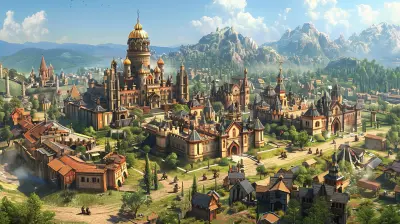
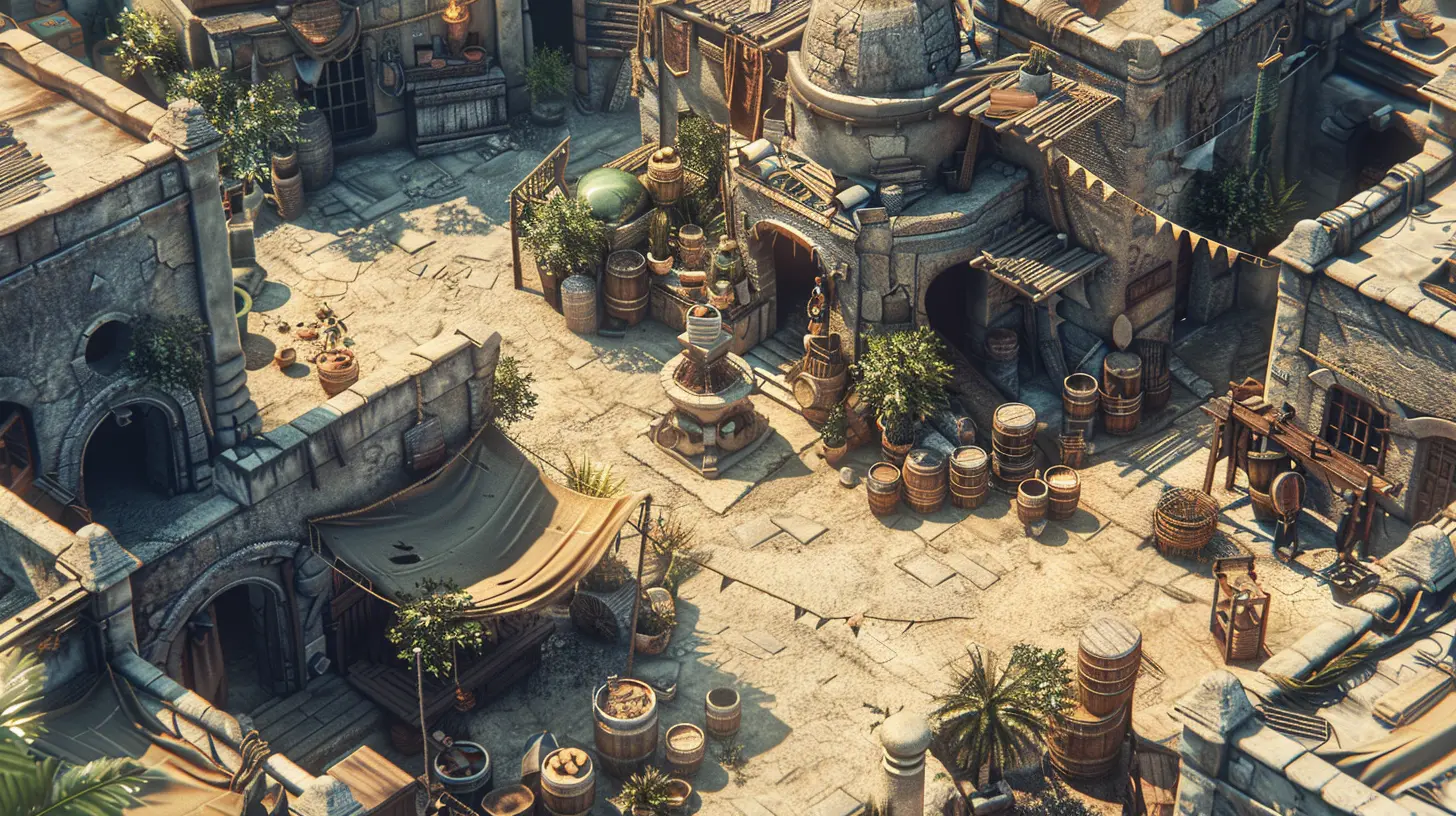
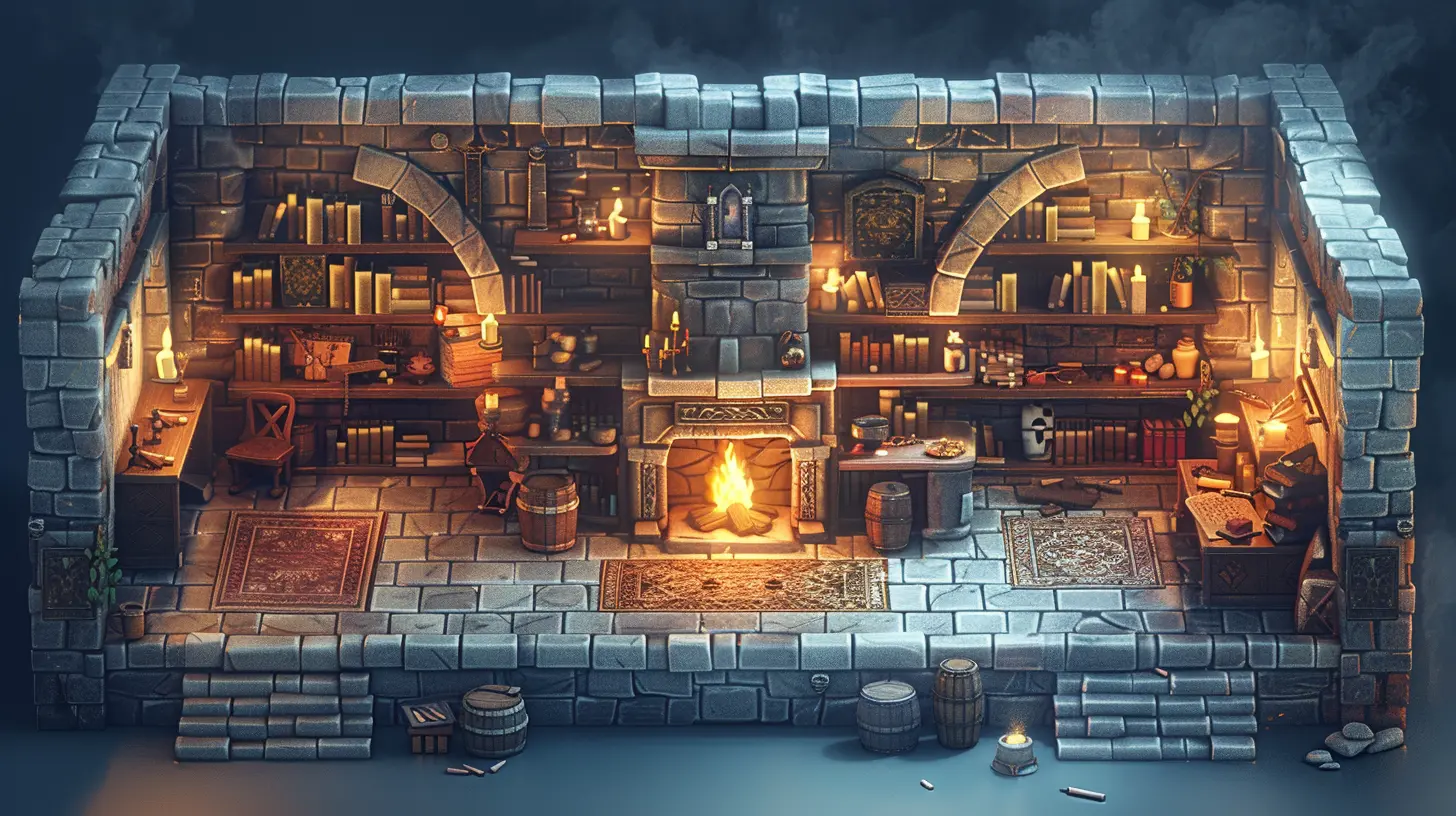
Alright, let’s start with the basics.Base building is all about creating your own home turf in a game. It could be a cozy little hut in the woods, a giant metal bunker on an alien planet, or even a floating island in the sky. Whether you're stacking walls or wiring up defense turrets, base building lets players carve out their own space in a game's world.
These mechanics first popped up in strategy games like Command & Conquer and Age of Empires, where players constructed buildings to produce units and resources. But over time, base building evolved. Eventually, it found its way into survival games, RPGs, and even sandbox adventures.
In games like Minecraft, Valheim, and The Forest, your base is your lifeline. It’s your shelter from enemies, your workshop, your storage unit, and your zen space all rolled into one.
Crafting: The Backbone of Survival
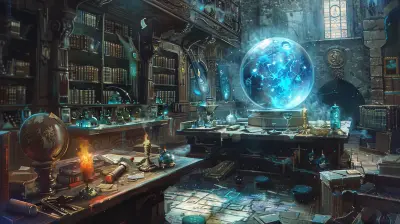
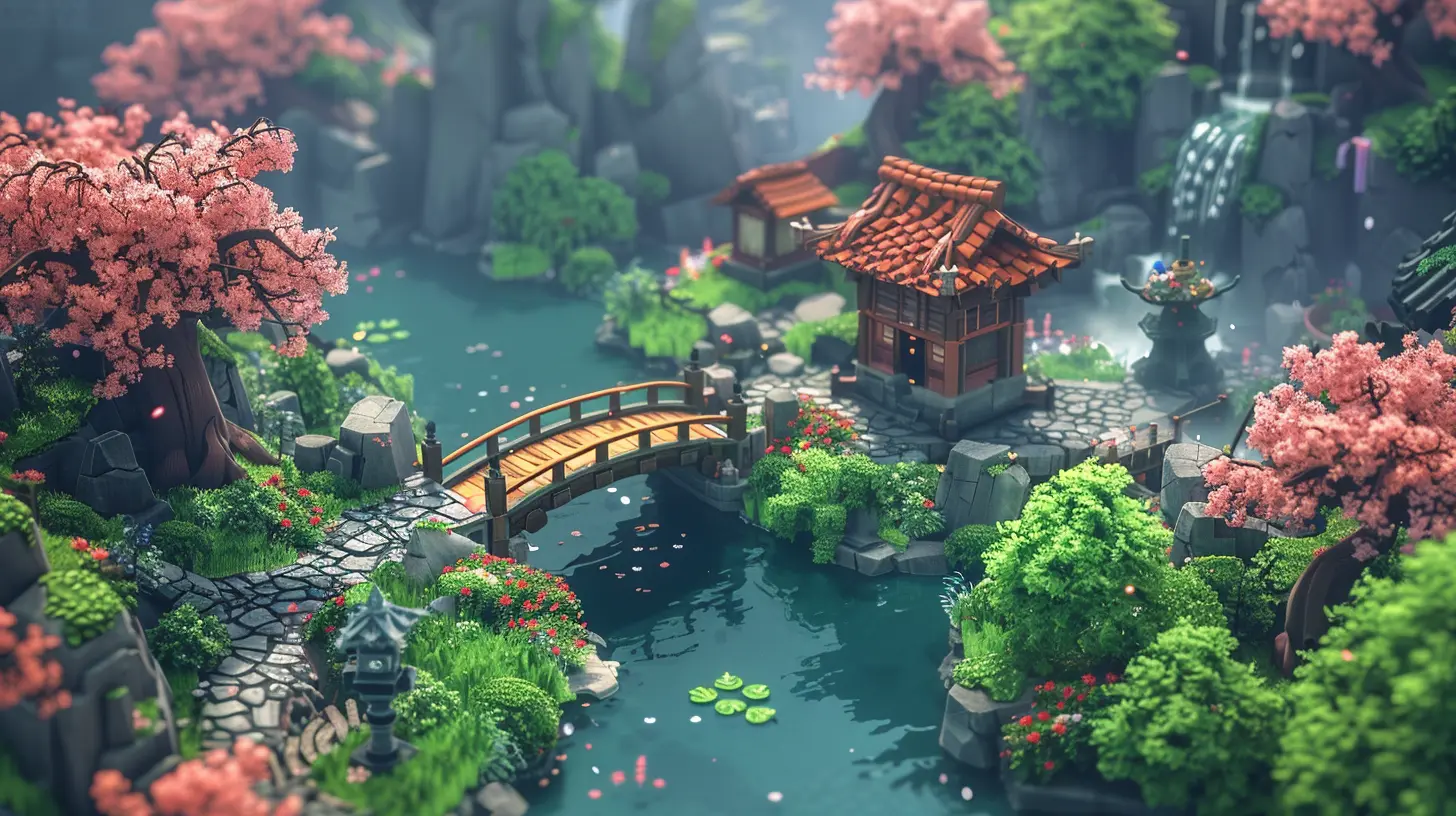
Now let’s talk crafting.Crafting’s that mechanic where you gather up random junk—wood, rocks, some old fabric—and turn it into something useful, like tools, weapons, or gear. You collect, you combine, and voila, you’ve got fire!
In most survival games, crafting isn’t just important—it’s essential. You can’t fight off zombies or survive the freezing cold without it. Games like ARK: Survival Evolved, Rust, and Subnautica use crafting as a core gameplay loop. You start with nothing, and through sheer effort and ingenuity, you build up to something epic.
So When Did Base Building and Crafting Start to Blend?
This is where things get interesting.Originally, base building and crafting were separate systems. In many games, you either focused on one or the other. But over the last decade, developers started to realize something. Hey, players like building stuff, right? And they like crafting, too. So why not let them do both—at the same time, in the same place?
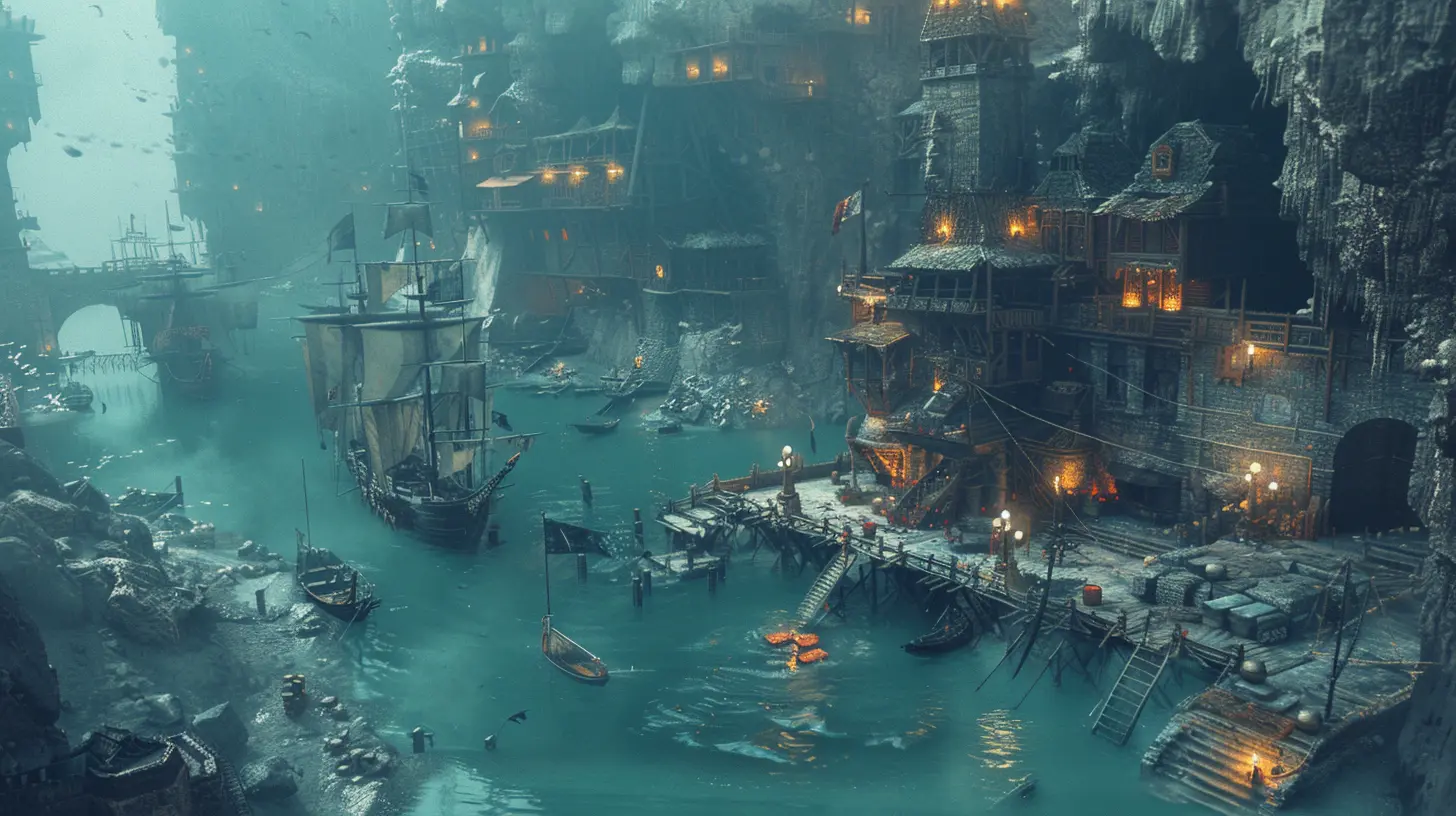
That’s when the magic started happening. Games like Minecraft (again, it’s kind of the granddaddy of them all), Terraria, and Don't Starve laid the groundwork. They let players both build and craft side by side. Your base became a place you crafted in, and your crafting fed into your base upgrades. One loop fed into the other, and it was revolutionary.
The Perfect Gameplay Loop: Craft, Build, Survive, Repeat
Combining base building and crafting creates a gameplay loop that’s unbelievably addictive. Think about it.You explore the world → gather resources → craft tools → build a base → unlock new possibilities → explore better. And then the loop starts over. It feels organic, like you’re really living in that world.
It’s like putting together IKEA furniture, only instead of a bookshelf, you end up with a fortress surrounded by spike traps and flamethrowers. You make real progress, and you get to actually see it. That’s powerful.
Not Just for Survival Games
While survival games were the first to hop on this hybrid bandwagon, other genres are catching on fast.- RPGs like Fallout 4 let you build settlements and craft weapons.
- MMORPGs like Final Fantasy XIV have entire crafting classes and housing systems.
- Even FPS games like Fortnite have building mechanics baked into combat.
More and more, we’re seeing games mix these systems in creative ways. It blurs the line between genres and keeps gameplay fresh. You’re not just fighting—you’re shaping the world too.
Blurring the Mechanics and the Genres
This mix of base building and crafting has led to a new kind of game. It’s not just a survival game. It's not just a sandbox. It's something in between.Games like Satisfactory or Factorio take the base building-crafting combo and toss automation into the mix. Now you’re not just building a base—you’re designing a fully operational production facility. It’s like Minecraft meets Elon Musk. And weirdly, it works.
On the flip side, games like 7 Days to Die give you base building, crafting, AND wave-based zombie defense. It’s a hybrid experience that keeps players on their toes.
This blending of mechanics makes games feel more immersive. It’s like the lines between systems don’t exist anymore—you’re just living in the world, doing what feels natural.
Why Do We Love These Hybrid Systems So Much?
You know what it really boils down to? Control and creativity.These systems give players the freedom to express themselves. Want a sprawling fortress with hidden passages and moats? Build it. Want to craft every item from scratch so you know your gear is top-tier? Go for it.
And that feeling of ownership? It’s addicting. You don’t just remember the missions you completed—you remember the tiny shack you upgraded into a mega base. The sword you crafted with rare materials. The traps you built to protect your crew.
These moments stick with us. They're personal. They create memories in a way linear gameplay rarely can.
The Role of Progression: Always Something to Look Forward To
Here’s another reason the blend of base building and crafting works so well—it naturally builds progression.Early on, maybe you’re crafting with sticks and rocks. But as you explore and collect better resources, your base gets sturdier, your tools get cooler, and your confidence grows.
You’re constantly unlocking new blueprints, new upgrades, new ideas. That sense of growth is like a breadcrumb trail that keeps pulling you forward. Even when the main story’s on pause, your base and your crafted items keep you engaged.
The Social Factor: Building and Crafting Together
Let’s not forget multiplayer.Games like Valheim and Rust show us just how fun it is to build and craft with friends… or fight them, if that’s more your style. Some folks love teaming up to build a camp with organized resource stockpiles and matching furniture. Others just want to raid your base and take your loot. Both styles thrive in games where crafting and building are core mechanics.
This social sandboxing leads to emergent gameplay—stories that weren’t scripted, but happened because players had tools to create and destroy together.
It makes the game world feel alive.
Challenges of Blending Game Mechanics
Okay, it’s not all sunshine and rainbows.Mashing base building and crafting systems together can be tricky. Balance is a big issue. If crafting’s too grindy, players burn out. If base building’s too easy, it loses its appeal. Developers have to walk a tightrope between complexity and fun.
There’s also the UI problem. Crafting menus and building interfaces can get cluttered fast, especially in games that try to throw everything at you.
Games like No Man’s Sky and Ark have made major strides in streamlining these systems, but it’s still a delicate dance.
The Future of Blurred Game Mechanics
So where’s all this going?Honestly, we’re just scratching the surface. With advancements in AI, procedural generation, and player-generated content, base building and crafting are getting more intuitive and immersive by the day.
Imagine AI companions who help you build while you scavenge. Or environments that react dynamically to your structures. Or base blueprints that players can share across worlds.
We're already seeing hints of this in games like Palworld (yep, the Pokémon-with-guns game) and Enshrouded. The lines will continue to blur, and that’s exciting.
This kind of hybrid gaming is here to stay, and it’s going to keep evolving in wild ways.
Final Thoughts: Why the Blur Works
From base building to crafting, and everything in between, these mechanics hit different when they’re working together. They feed into each other in a way that keeps us coming back. It’s creativity and survival. It’s progress and protection. It’s personal.And let’s be real—there’s nothing quite like coming back to a base you built from scratch, unlocking a new crafting upgrade, and realizing just how far you’ve come. That’s the kind of moment that makes a game memorable.
So the next time you’re chopping wood, melting ore, or placing foundation blocks—just know you’re not grinding. You’re crafting your own story, one piece at a time.
all images in this post were generated using AI tools
Category:
Item CraftingAuthor:

Tina Fisher