First Thoughts on Movement and Exploration Mechanics
16 February 2026
Let’s be honest: the moment you jump into a game, what’s the first thing you do? You move. You run around, jump, maybe crouch, or even try to climb something you clearly shouldn’t. Movement and exploration mechanics are like the bricks and mortar of any great gaming experience. They’re the unsung heroes that can make or break how a game feels. And today, I want to unpack that first impression we all get when we dive into a new game for the first time.
So whether you’re a dev, a hardcore player, or someone who just loves dissecting games (like me), let’s have a laid-back yet deep chat about what movement and exploration mechanics really mean—and why they matter so much.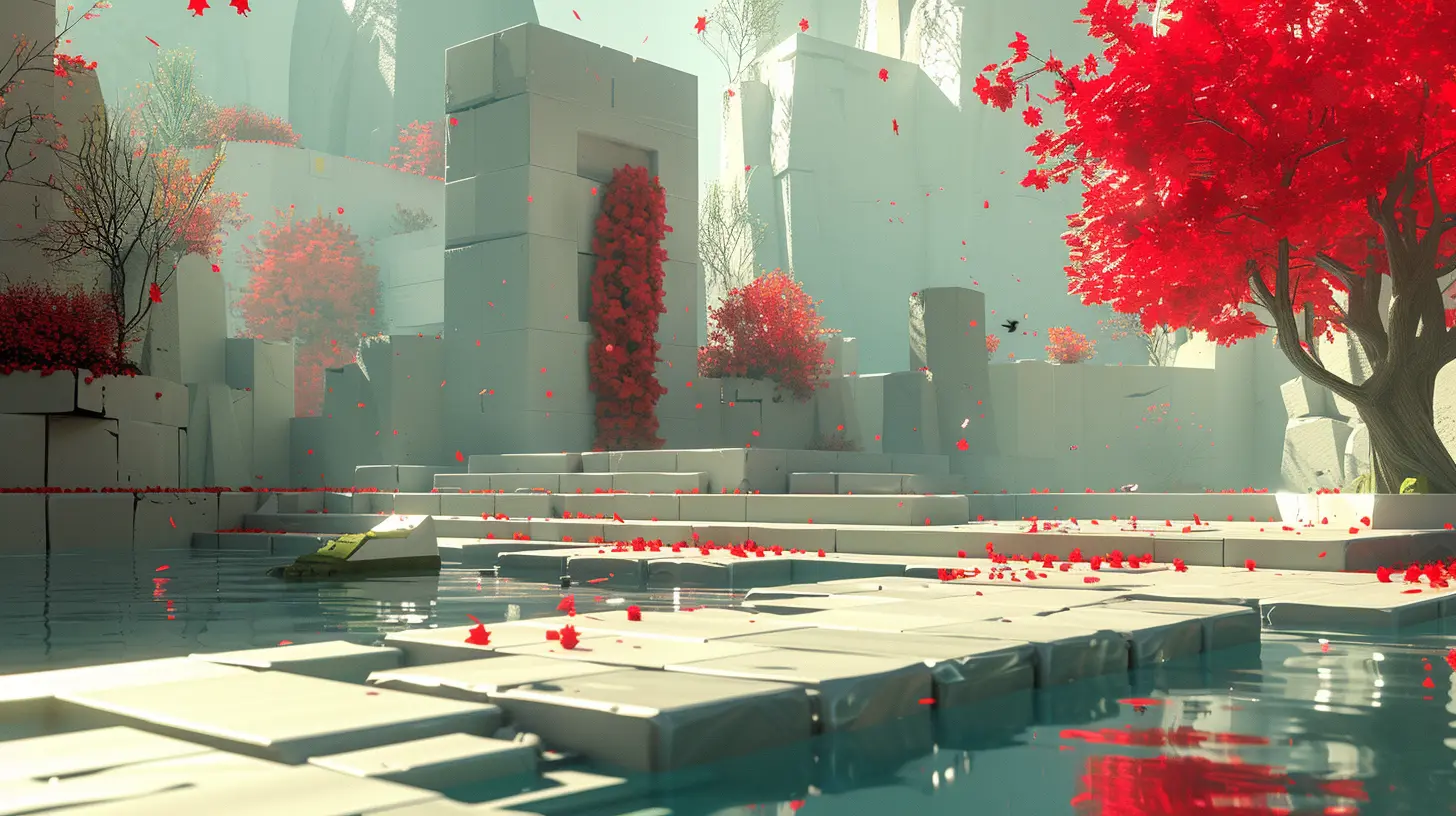
That "First Feel": Why Movement Matters Instantly
You know that moment when you boot up a new game and finally take control of your character? There’s a vibe. It’s subtle, but it’s everything. If the movement feels clunky or floaty, your brain instantly screams “ehh.” On the flip side, when it’s tight and responsive? Chef’s kiss.The reason this first touchpoint is so crucial is because it becomes the foundation of your entire journey. If walking, running, jumping, or climbing doesn’t feel right, nothing else will. Not the combat. Not the puzzles. Not even the story.
Games like Celeste and Hollow Knight nailed this. From the first few frames of movement, you just know you’re in for something good. Even before enemies showed up, I was already having fun just moving around.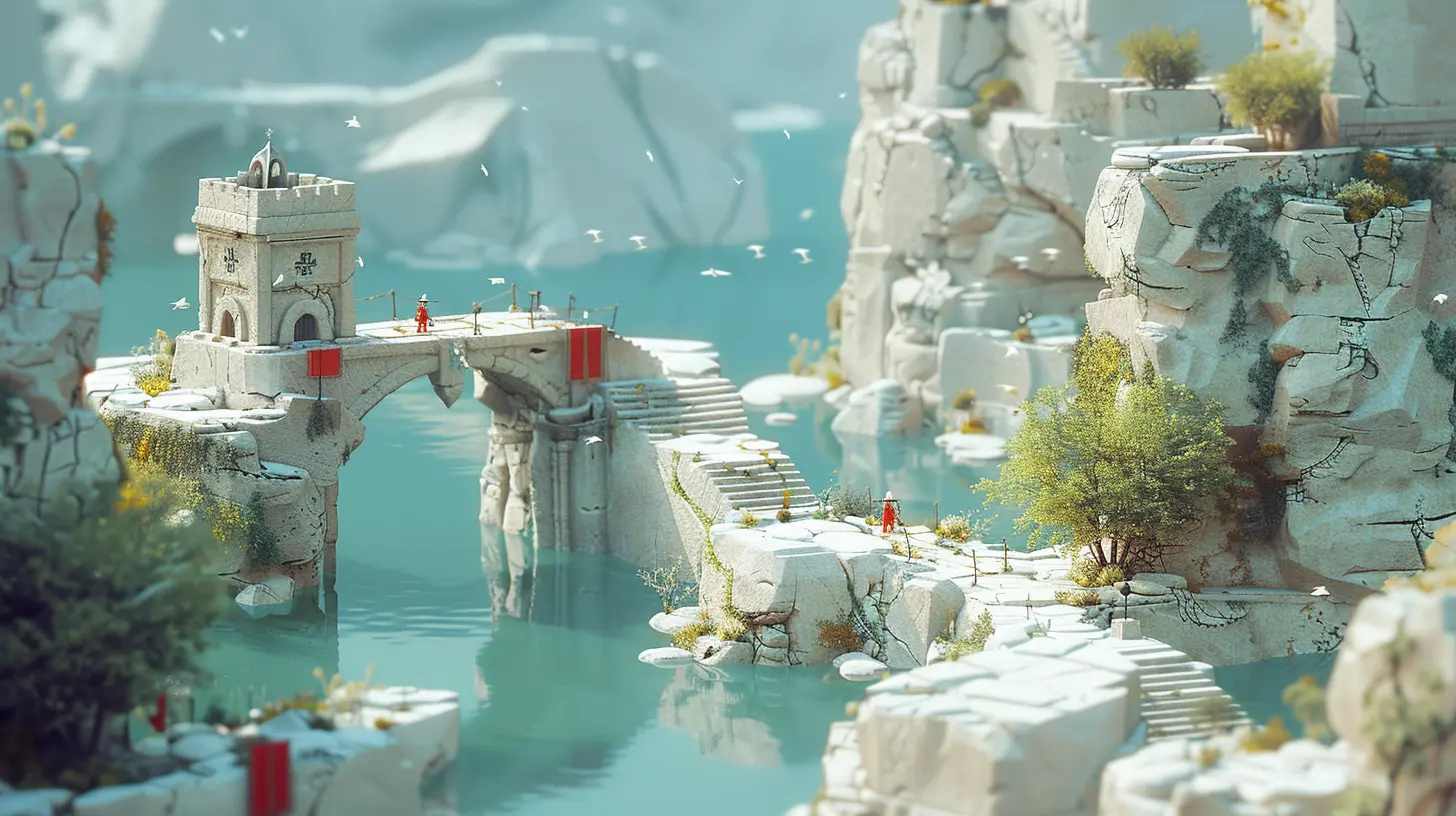
The Role of Physics in Movement
Now, let’s nerd out a little (just a little). Physics-based movement can make a game feel grounded or completely whimsical. But it has to be consistent. Think of Portal—the momentum you build from diving into a portal adds a whole new layer of gameplay. But try that in a game NOT designed for it, and it’s a glitchy mess.Games like Skate or Tony Hawk's Pro Skater thrive on physics. Every action has a weight, a consequence. And that’s what makes pulling off tricks feel genuinely satisfying. It’s not just input; it’s cause and effect.
On the flip side, games like Mirror’s Edge use physics to simulate fluid parkour. The sense of speed, the way your camera tilts during wall-runs—it's the game's way of saying, “Yeah, you’re really doing this.”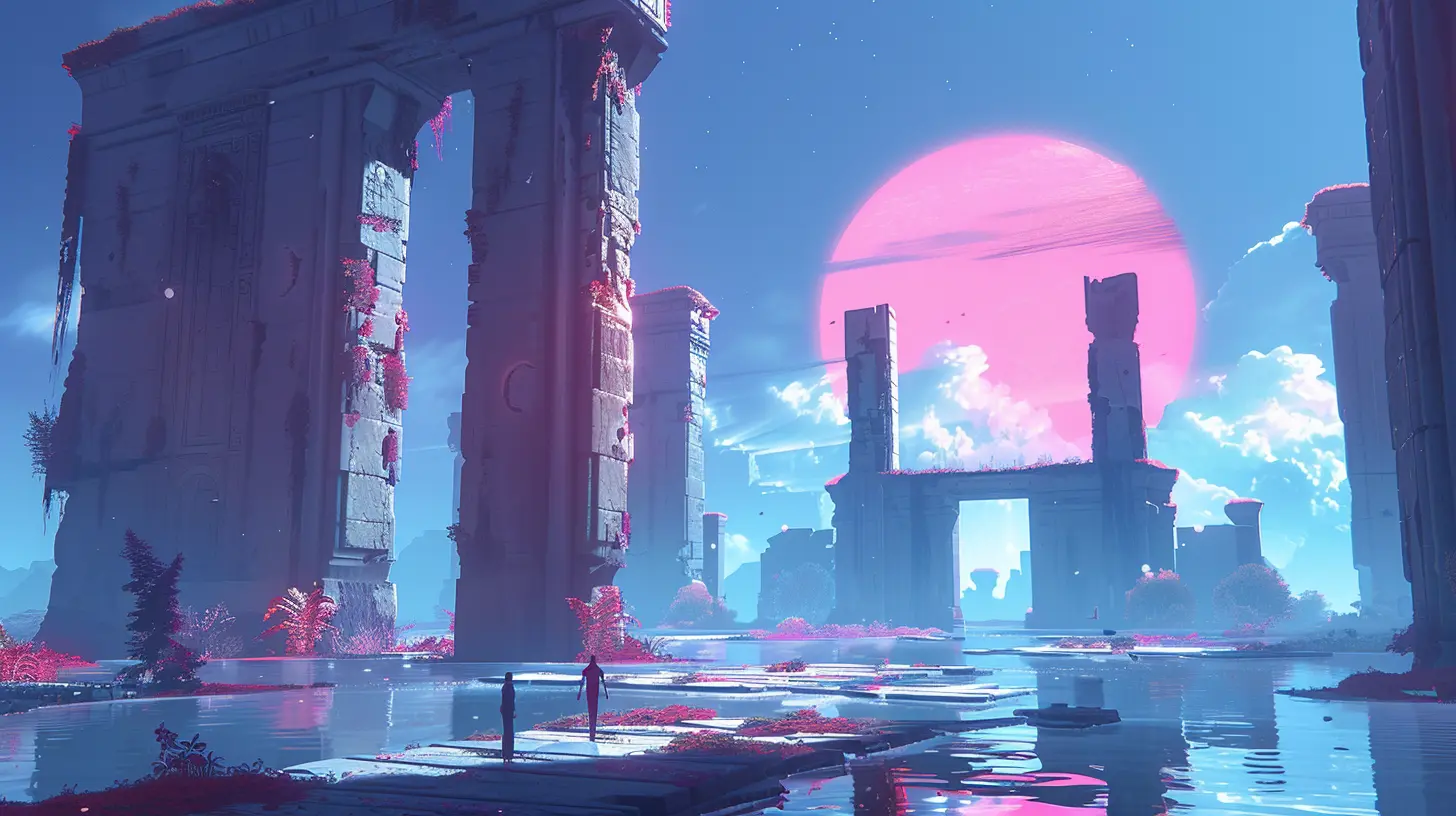
Player Control vs. Character Weight
This can be a weird thing to describe, but hear me out. There’s a sweet spot between tight player control and the “weight” of the character. If your character moves too fast or turns too sharply, it feels like you’re controlling a hovercraft. Too sluggish, and it’s like dragging a bag of cement.A great example? God of War (2018). Kratos feels heavy, but in a good way. His footsteps, the way he swings the Leviathan Axe—there’s mass behind every move. It makes sense because that’s who he is: a powerhouse.
Then look at something like Spider-Man. Spidey’s controls are slick and nimble, letting you web-sling effortlessly through the city. It’s not just movement—it’s character storytelling through mechanics. Spider-Man should feel agile, light, and responsive. And he does.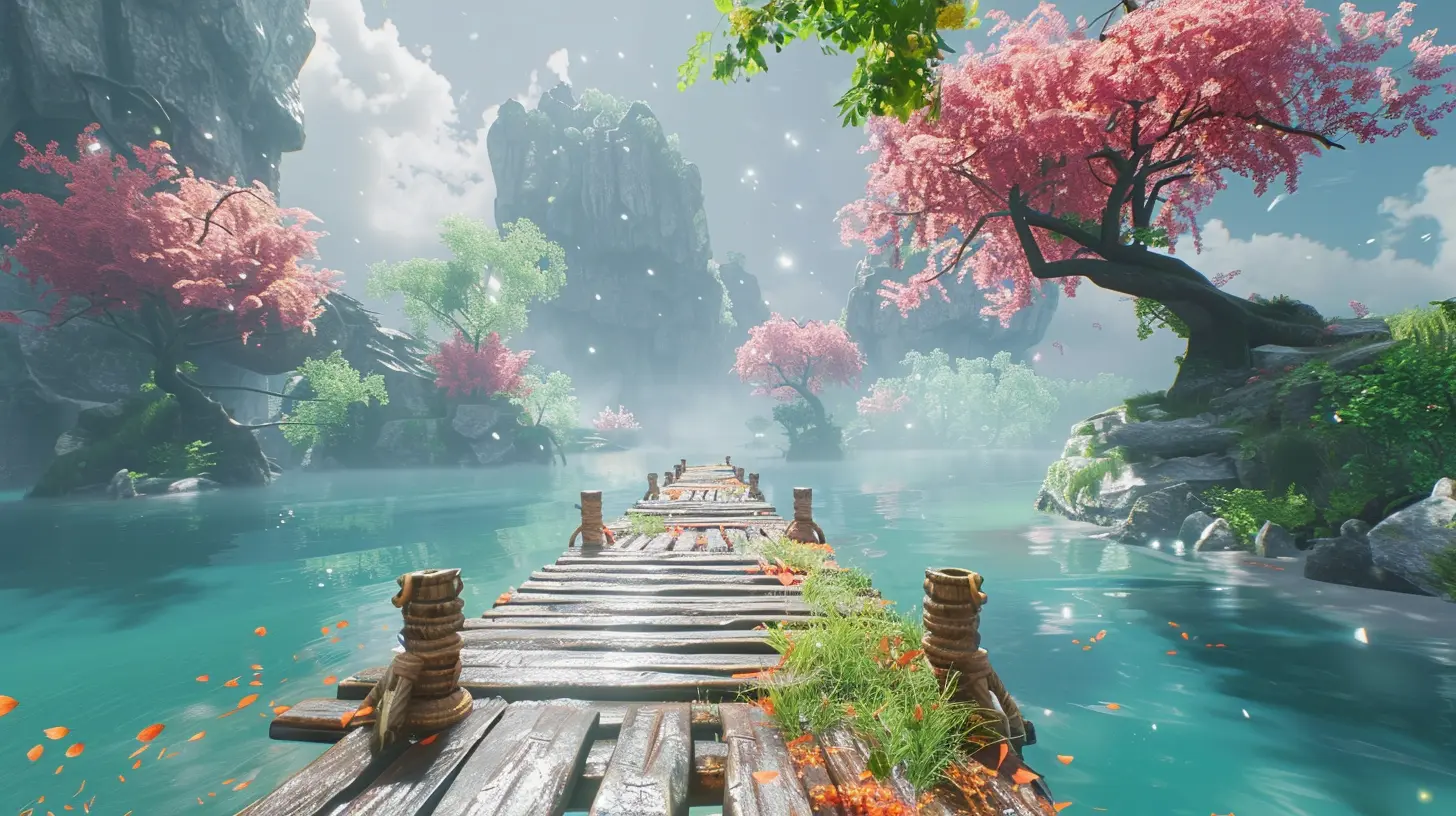
Verticality and the Joy of Climbing
Let’s talk climbing and vertical exploration for a sec. Remember those “invisible walls” we always hated in older games? Modern titles started tearing those down, and suddenly we got to actually climb stuff. Hallelujah.Games like The Legend of Zelda: Breath of the Wild changed the game (literally) by letting us climb pretty much anything. It added a new dimension to exploration—not just "Where can I go?" but rather "Can I get there... that way?"
What made it click was combining stamina management with open-ended climbing. You’re suddenly looking at mountains and cliffs like puzzle challenges. It’s not just about reaching point B; it’s about how creatively you get there.
Open Worlds and Their Impact on Exploration
Open-world games have exploded in the past decade, and with them came a demand for better movement and exploration systems. You can’t hand players a giant map and expect them to be okay walking in straight lines all the time. That’s boring.Take Elden Ring, for instance. It doesn’t just throw a mount at you and say “go.” It gives you a mix of horseback traversal, platforming, and secret paths that reward curiosity. The world feels alive, and that’s due in large part to how you move through it.
Then there’s Assassin’s Creed: Valhalla. While it offers parkour and environmental movement, it can sometimes feel automated. That’s where player agency starts to fade, and movement becomes more like pressing buttons than making choices. Still fun—but it's a different kind of fun.
Parkour, Wall-Running, and Freerunning Fun
Can we take a moment to appreciate how far we’ve come with parkour systems in games? Back in the day, just being able to vault over a table felt revolutionary.Now? We’re wall-running, flipping, climbing ledges mid-combat, and doing backflips off buildings.
Dying Light 2 deserves a shoutout here. The freerunning mechanics are so smooth that you’ll spend more time jumping off rooftops and ziplining across the city than actually doing story missions. And that’s a good thing.
These kinds of mechanics add a rhythm to movement. You’re not just going from point A to B—you’re dancing through the world.
Mounts, Vehicles, and Alternative Traversal
Walking is cool and all, but sometimes you just want to hop on something and GO.Mounts in games like The Witcher 3 or Red Dead Redemption 2 add a layer of realism and immersion. Roach (Geralt's horse) may have a mind of his own sometimes, but riding through a stormy field still feels epic.
Then there’s stuff like jetpacks (No Man’s Sky), gliders (Genshin Impact), and even grappling hooks (Just Cause series). These aren’t just traversal methods—they’re tools that change how you view the world.
Adding these mechanics is like giving players superpowers. Suddenly, new routes open up, and exploration becomes way more exciting.
Hidden Secrets and World Interactivity
Ever stumbled into a hidden cave because you accidentally fell off a cliff? That’s good exploration design. Games that reward curiosity through movement are doing it right. If I’m always scanning the environment for climbable ledges, hidden doors, or suspicious-looking rocks, I’m engaged.In Hollow Knight, for example, hidden areas are tucked behind breakable walls or require precise movement skills to reach. It’s not just about finding loot; it’s about mastering the movement enough to get rewarded.
When the world reacts to how you move—secret doors, collapsing platforms, environmental puzzles—it creates this cool feedback loop. The game says, “Hey, thanks for paying attention!”
Accessibility and Movement Customization
Let’s not forget a major point: not everyone moves or explores the same way. That's why accessibility in movement mechanics matters.Games today are doing better with options like toggle running, auto-climb, or fully re-mappable controls. These customizations ensure more players get to experience the joy of movement in their own way.
And honestly? Even folks without disabilities benefit from that. Sometimes I just don’t feel like mashing the sprint button for 30 minutes straight. Give me a toggle, please and thank you.
Procedural vs. Hand-Crafted Worlds
This is a bit of a hot topic in the gaming community. Procedural worlds (think Minecraft, No Man’s Sky) offer endless space to explore. But sometimes it lacks the personal touch.Hand-crafted worlds (The Last of Us, God of War) tend to feel more intentional. The placement of a ledge, the way a tree leans—it's all designed to guide your eye and your movement.
Both have their merits. Procedural exploration is like an infinite sandbox, while hand-crafted worlds give you that carefully curated journey. It just depends on what kind of experience you’re after.
The Future of Movement Mechanics
The future is looking bright—and fluid. Between VR, AR, and haptic feedback tech, movement in games is getting more immersive.Imagine feeling the weight of each step through a controller. Or using eye-tracking to navigate your character. Sounds wild? It’s already happening in some early prototypes.
And as game devs continue to focus on player expression, movement will become an even bigger part of gameplay—maybe even more than combat or story. Why? Because it’s the one thing you’ll do constantly.
Final Thoughts: Why Movement and Exploration Deserve More Praise
So, what’s my takeaway after obsessing over movement and exploration mechanics for way too long? Simple: they deserve more love. Seriously.They may not get flashy trailers or headline reviews, but they’re the glue that holds your entire gaming experience together. The difference between a game you play for hours and one you abandon after 15 minutes could very well be how it feels to run around.
Next time you start a new game, pay attention to those first steps. They speak volumes.
all images in this post were generated using AI tools
Category:
First ImpressionsAuthor:

Tina Fisher
Discussion
rate this article
2 comments
Jolene Navarro
Movement mechanics are like a dance party—if you step on your own feet, it's less 'cha-cha' and more 'oops, I fell.' Let's groove into exploration without tripping!
February 18, 2026 at 5:28 AM
Tina Fisher
Absolutely! Finding the right rhythm in movement mechanics can truly enhance the exploration experience. Let's keep the groove smooth and fun!
Quade Cantu
Exciting insights on movement and exploration mechanics! The blend of fluidity and challenge can significantly enhance immersion. I'm particularly intrigued by how these elements can reshape player interactions and the overall narrative experience in gaming. Can't wait to see more!
February 17, 2026 at 4:18 PM
Tina Fisher
Thank you! I'm glad you found the insights exciting. I agree that combining fluidity and challenge can truly elevate immersion and player interactions. Stay tuned for more updates!