First Impressions on the Use of Realism in Environments and Physics
31 December 2025
Let’s talk about realism in video games. It’s one of those buzzwords you hear floating around in gaming communities, forums, and developer conferences. You know, when a game is hyped up with claims like, "It’s so realistic, you’ll forget it’s a game!" But what does that even mean? Is it just about jaw-dropping visuals, or is there more to it? Turns out, there’s a lot more.
Realism in gaming isn’t just about pretty graphics; it’s about creating environments and physics systems that feel… well, real. From the subtle sway of tree branches to how a character’s weight shifts as they climb, these little details all add to the experience. And whether you’re a hardcore gamer, a casual player, or someone who swears they can tell the difference between a 30 FPS game and a 60 FPS one, you likely have some thoughts about how realism affects your gameplay. So, let’s dive deep into this topic and break down the first impressions of realism in environments and physics.
The Visual Hook: Realism in Environments
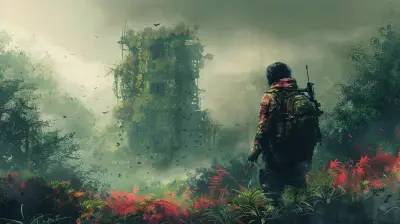
When it comes to realism, environments always set the stage. Picture this: You’re in an open-world game exploring a dense forest. The sunlight filters through the canopy above, casting dappled light on the ground. There’s a cool mist hanging in the air, and as you move, the leaves crunch underfoot. Sounds pretty immersive, right? That’s the power of environmental realism.But here’s the deal: It’s not just about looking real—it’s about feeling real. Games like The Last of Us Part II or Red Dead Redemption 2 have turned heads for how they nail this balance. The way snow compacts underfoot, the way rain gathers into tiny puddles, and even the dust particles floating through an abandoned room—these details don’t just fill space. They give the world a lived-in, authentic vibe.
What’s wild is that even the tiniest design choices can impact how believable an environment is. Developers put in an insane amount of effort crafting textures, lighting, and weather systems. Ever noticed how shadows shift depending on the time of day in The Legend of Zelda: Breath of the Wild? That’s environmental realism at its finest.
But here’s the kicker: It’s all for you. Without players there to walk through those painstakingly crafted worlds, the effort falls flat. And honestly, who doesn’t get a little thrill from seeing reflections in a puddle or watching wind ripple through a field of tall grass? It’s sensory satisfaction, pure and simple.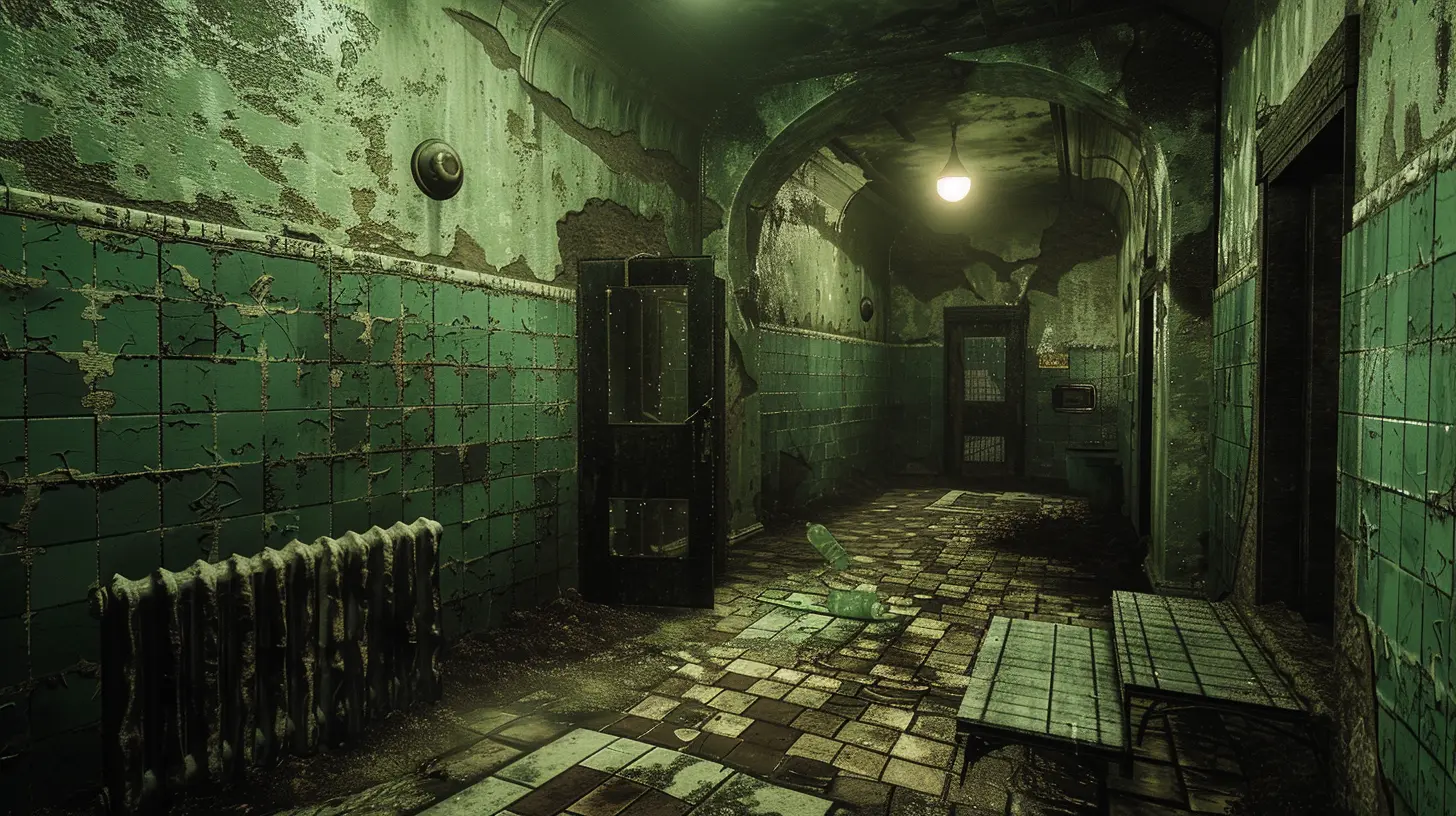
The Physics of It All: Movement, Interaction, and Cause-and-Effect
Ah, physics. The unsung hero (or villain) of realism in gaming. If environmental realism is the eye candy, physics is the secret ingredient that makes it all work. Physics in games is all about how things move, collide, and interact—and when it’s done well, it’s almost magical.Take ragdoll physics, for example. You’ve probably chuckled at games where characters flop around like spaghetti when they get knocked out. It’s funny, sure, but it’s also a prime example of bad physics. On the flip side, think about Grand Theft Auto V. The way your character stumbles when hit by a car feels weighty and believable—and it hurts just watching it. That’s the magic of good physics.
And it’s not just about characters—it’s about the world, too. Think about destructible environments. Remember playing Battlefield and realizing you could blow up entire buildings? That was a game-changer (literally). Suddenly, physics wasn’t just a backdrop—it was part of the gameplay. You could strategize around it, use it to your advantage, or spend hours just messing around with how debris falls. That kind of realism creates immersion and adds an entirely new layer to games.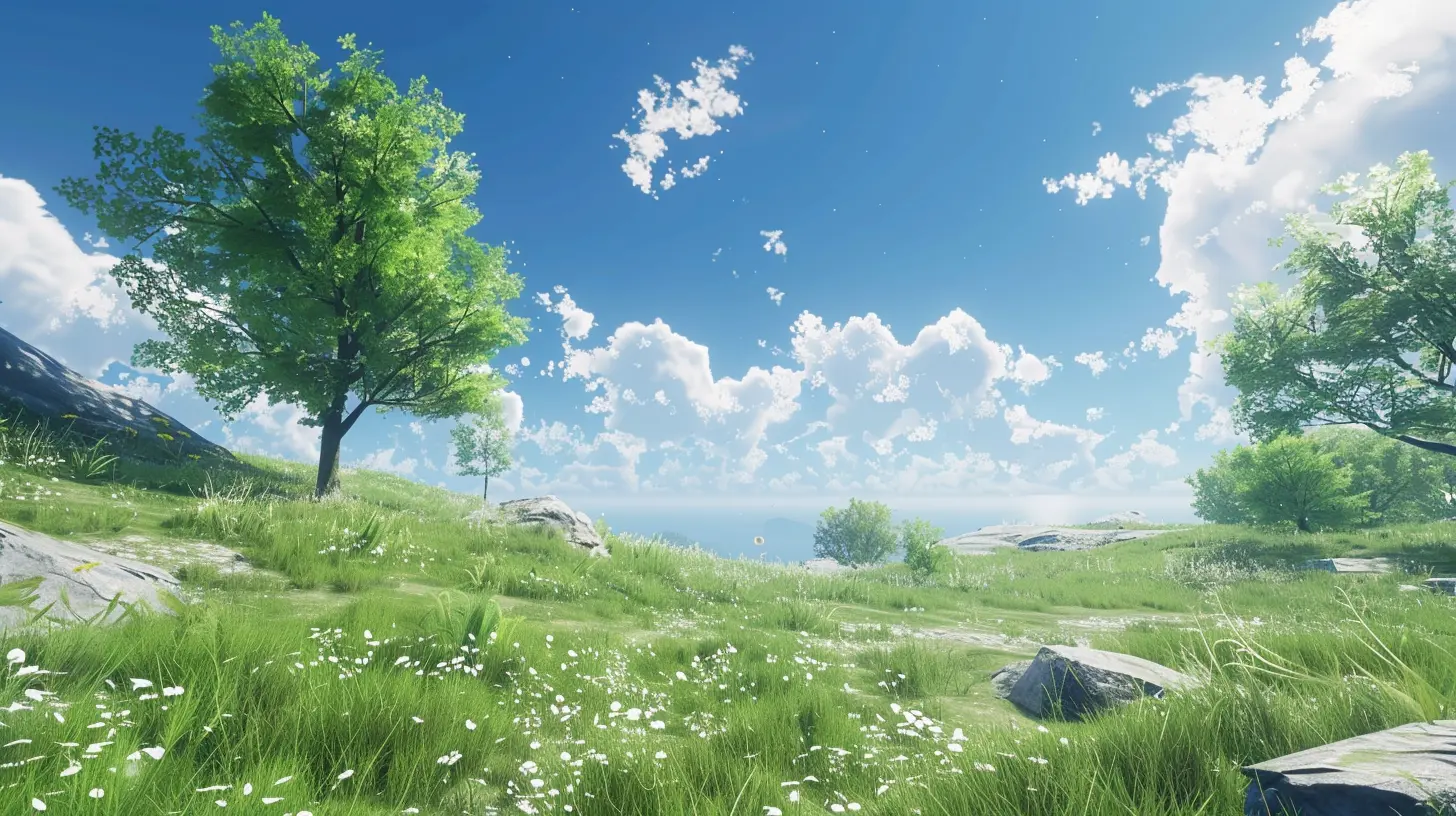
Why Do Realism and Physics Matter?
Okay, let’s get a little introspective. Why do we even care about realism in games? I mean, games are supposed to be an escape, right? So why are we so obsessed with them mimicking real life?Here’s the thing: Realism helps us connect. When a game feels real, it becomes more than just pixels on a screen. It becomes a world we can step into—a place where we can lose ourselves for hours. And when done right, it’s not just about the visuals or the movement. It’s about the synergy of it all working together seamlessly.
Imagine playing a racing game where the car physics are off. You turn the wheel in-game, and the car feels like it’s skating on ice. Doesn’t matter how gorgeous the car looks—if it doesn’t feel right, it’s not immersive. Realism in physics and environments creates a harmony that makes a game believable, and that believability is what pulls us in.
Plus, let’s be real: Realism can be ridiculously satisfying. Destroying a wall and watching every single brick crumble like it would in real life? That’s chef’s kiss-worthy. And hey, who doesn’t love launching themselves off a ramp in Skate just to watch the realistic wipeout? It’s oddly therapeutic.
The Fine Line Between Realism and Fun
Now, here’s where things get tricky. Realism is awesome, but there’s a line. Too much realism, and a game starts to feel like a chore. Remember Death Stranding and how you had to carefully balance packages? For some players, it was a quirky mechanic. For others, it was just… exhausting.Developers have to strike a delicate balance. The goal isn’t to mimic real life perfectly (because, let’s face it, real life can be boring). The goal is to create an illusion of realism—a world that feels grounded without sacrificing fun. Think of it this way: If realism was pizza, too much cheese would ruin it. (Yeah, I said it—fight me.)
And don’t even get me started on glitches. Nothing breaks immersion like a supposedly "realistic" game where your character randomly starts T-posing. It’s like watching an Oscar-worthy movie only for a boom mic to pop into the frame. Some games go too far with realism and forget the most important thing: It still has to be fun.
The Future of Realism in Gaming
Alright, let’s look ahead. With technology evolving faster than ever, where’s realism in gaming headed? We’re already seeing games push boundaries with technologies like ray tracing, motion capture, and AI-driven physics. But here’s what’s exciting: The possibilities are endless.Imagine a world where every leaf in a forest has its own physics. Where an NPC doesn’t just walk a pre-programmed path but reacts to your actions dynamically. We’re seeing shades of this with games like Cyberpunk 2077 (despite its rocky launch) and Horizon Forbidden West. And once we get more into VR and AR, realism in environments and physics will go to a whole new level. Like, imagine playing Elden Ring in VR and actually feeling the impact of every sword strike. Wild, right?
But here’s the thing: Realism will never be the only thing that makes games great. A game can look and feel real, but without heart—without a solid story, engaging gameplay, or fun mechanics—it’s just an empty shell. Balance is key.
Final Thoughts
First impressions of realism in gaming? It’s impressive, no doubt. But it’s also a double-edged sword. When done well, it pulls us into breathtaking worlds and keeps us hooked for hours. When done poorly—or when overdone—it can make us question why we even picked up the controller in the first place.At the end of the day, realism in environments and physics is all about enhancing the experience. It’s the cherry on top of a great game. But the cherry isn’t the whole dessert, you know? Whether it’s the crunch of gravel underfoot, the shattering glass of a broken window, or the perfect arc of a ragdoll flying off a cliff, realism adds that extra layer of immersion we all crave. And as gamers, we’re lucky to be living in an era where developers are pushing the boundaries of what’s possible.
So, what are your thoughts on realism in games? Do you love it, hate it, or fall somewhere in between? Let’s hear it—because one thing’s for sure: The conversation isn’t ending anytime soon.
all images in this post were generated using AI tools
Category:
First ImpressionsAuthor:

Tina Fisher
Discussion
rate this article
2 comments
Maxine McQuaid
Great insights on how realism shapes gaming experiences! It’s fascinating to see how immersive environments and physics can enhance gameplay. Your perspectives invite us to appreciate the intricate details developers implement. Can’t wait to see how these elements evolve in future titles! Keep up the excellent work!
January 13, 2026 at 3:43 AM
Tina Fisher
Thank you for your thoughtful comment! I'm glad you found the insights valuable. Excited to see how realism continues to evolve in gaming too!
Samira Nguyen
Great insights on realism in gaming! I appreciate how you highlighted its impact on immersion. Exploring the balance between realism and gameplay could further enhance your discussion.
January 9, 2026 at 4:13 PM
Tina Fisher
Thank you for your feedback! I completely agree that exploring the balance between realism and gameplay is crucial for enhancing immersion. I'll keep that in mind for future discussions!