First Encounters with NPCs: Are They More Than Just Quests?
23 December 2025
Let’s be honest, when we meet a non-playable character (NPC) in a game for the first time, it’s easy to fall into a routine. You stride up to them, press a button for interaction, skim through dialogue, and—bam!—you’re saddled with another quest. It’s almost like clockwork. But hold on just a second—are these encounters really that shallow? Are they only about fetching ten wolf pelts or slaying bandits? Or is there something deeper hiding under the surface?
This article will peel back the layers of those first NPC interactions. Are these scripted moments about more than progressing the story or leveling up your gear? Do they serve a bigger purpose in shaping the game and, in turn, the player’s experience? Let’s roll up our sleeves and dive into why those seemingly mundane encounters might just be underestimated gems.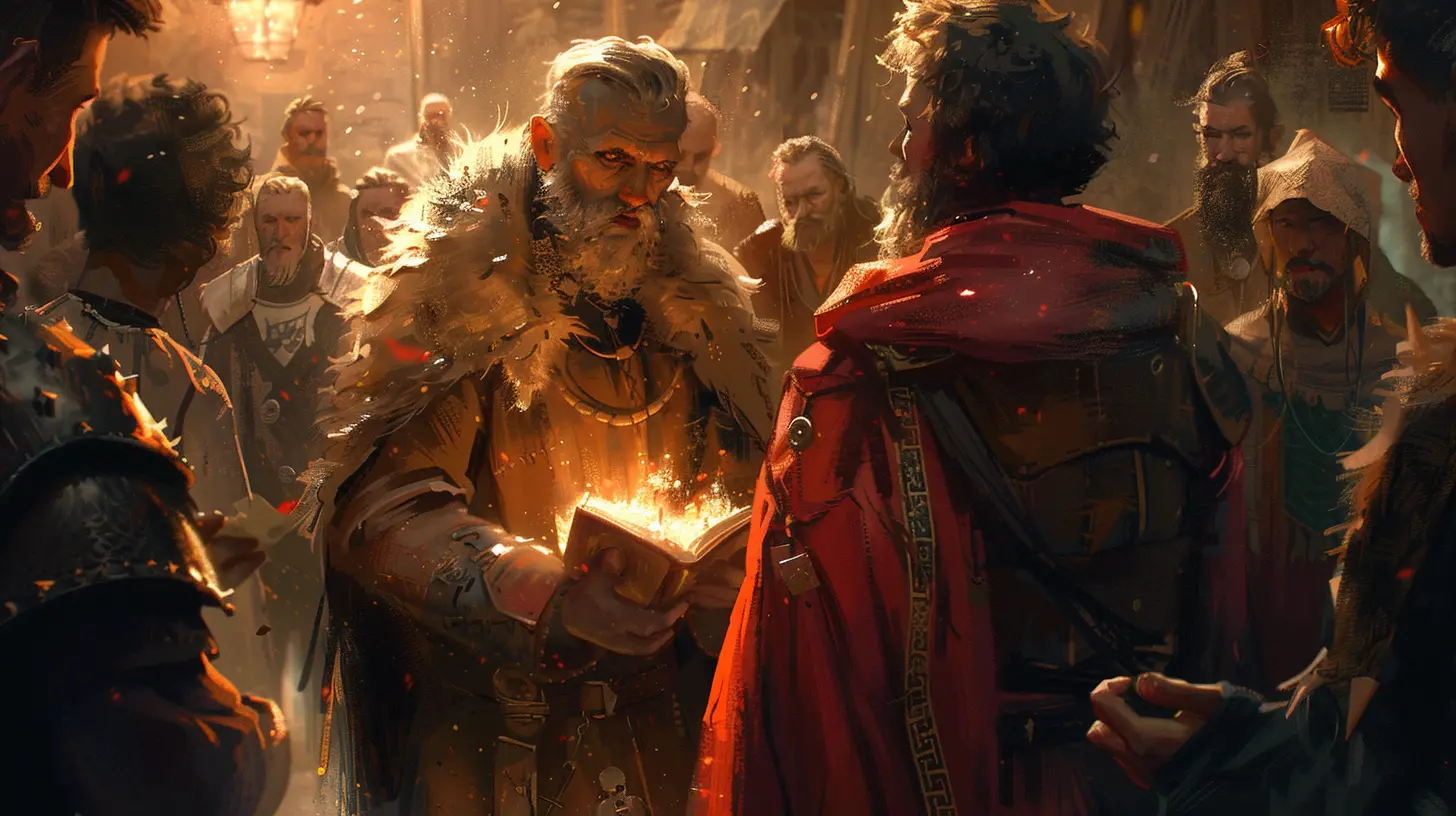
First Impressions Set the Stage
They say first impressions matter, and that doesn’t just apply to job interviews or awkward first dates. In gaming, the moment you meet an NPC, you’re forming opinions about them—and often about the game itself. Think about it. Are they warm and welcoming, urging you to trust them? Or are they cryptic and mysterious, leaving you itching to learn more?Take The Witcher 3: Wild Hunt, for example. The first time you meet Vesemir, he’s not just some mentor figure. His gruff demeanor and fatherly concern lay the foundation for how we view Geralt’s world—harsh yet filled with moments of camaraderie. That initial encounter tells you so much about the stakes of the game without spoon-feeding it to you. Every choice in his dialogue feels intentional.
So, when you talk to an NPC for the first time, it's not just about the quest they hand out. It’s about the subtle world-building they’re contributing to. They’re there to shape how you think and feel about the journey ahead.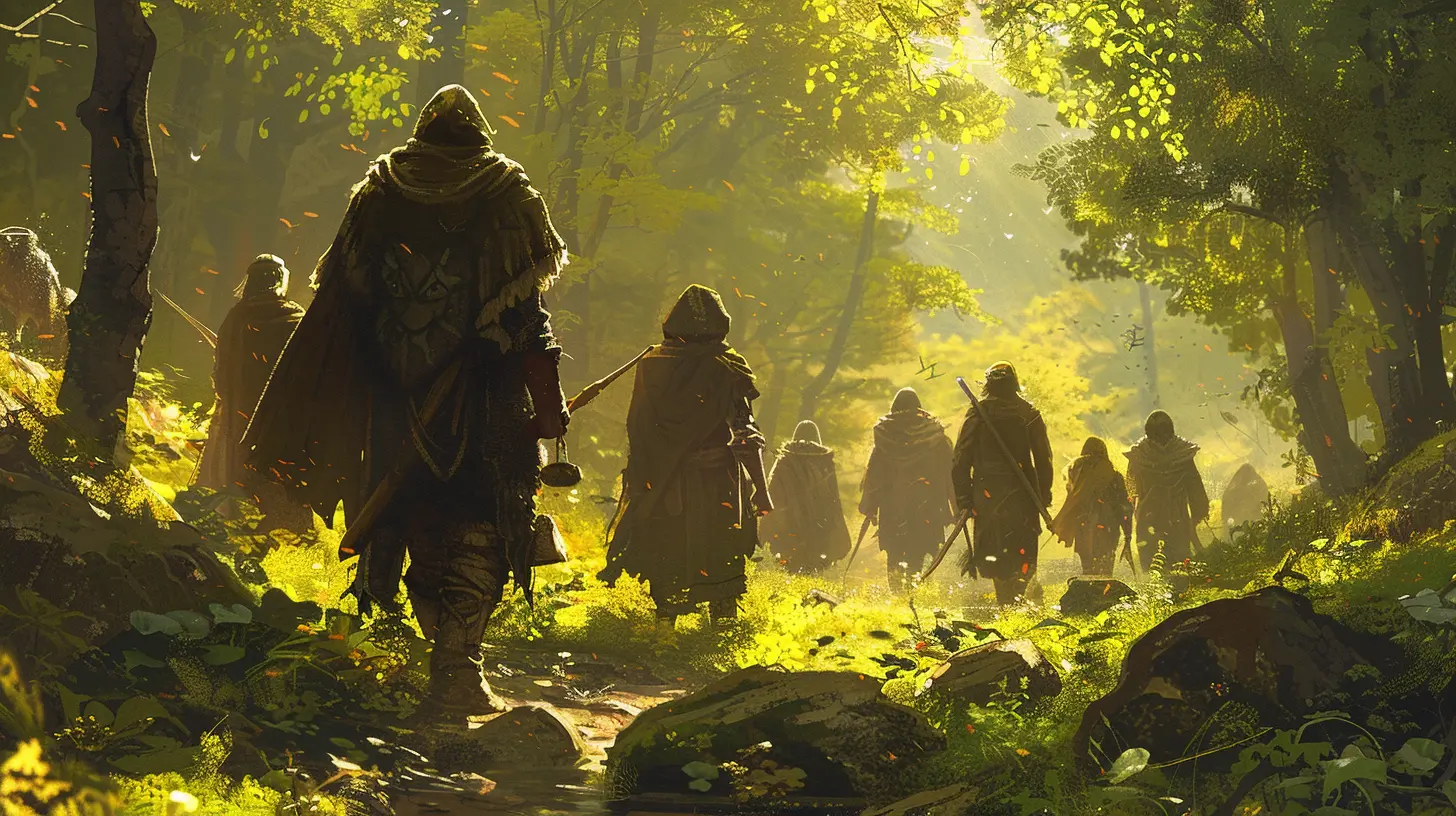
NPCs as Mirrors of the Player
Ever notice how NPCs sometimes reflect parts of your character back at you? It’s not an accident. Games use NPCs to show you aspects of yourself that you might not even realize yet. Think of it like looking into a funhouse mirror—sometimes it’s flattering, and sometimes it’s downright uncomfortable.A great example of this is Red Dead Redemption 2. Arthur Morgan’s interactions with NPCs go far beyond the typical “go here, grab that” routine. Depending on how you play, NPCs respond to Arthur in ways that mirror his choices. If you're kind and helpful, you’ll encounter goodwill and warmth. If you're ruthless? Well, NPCs start treating you like the outlaw you’re portraying. It’s almost like holding up a moral yardstick to your gameplay.
These interactions force you to think about the kind of player you want to be. Are you driven by power and efficiency? Or are you taking time to savor the world and build relationships? NPCs help nudge you toward introspection, sometimes in ways you don’t even notice until much later.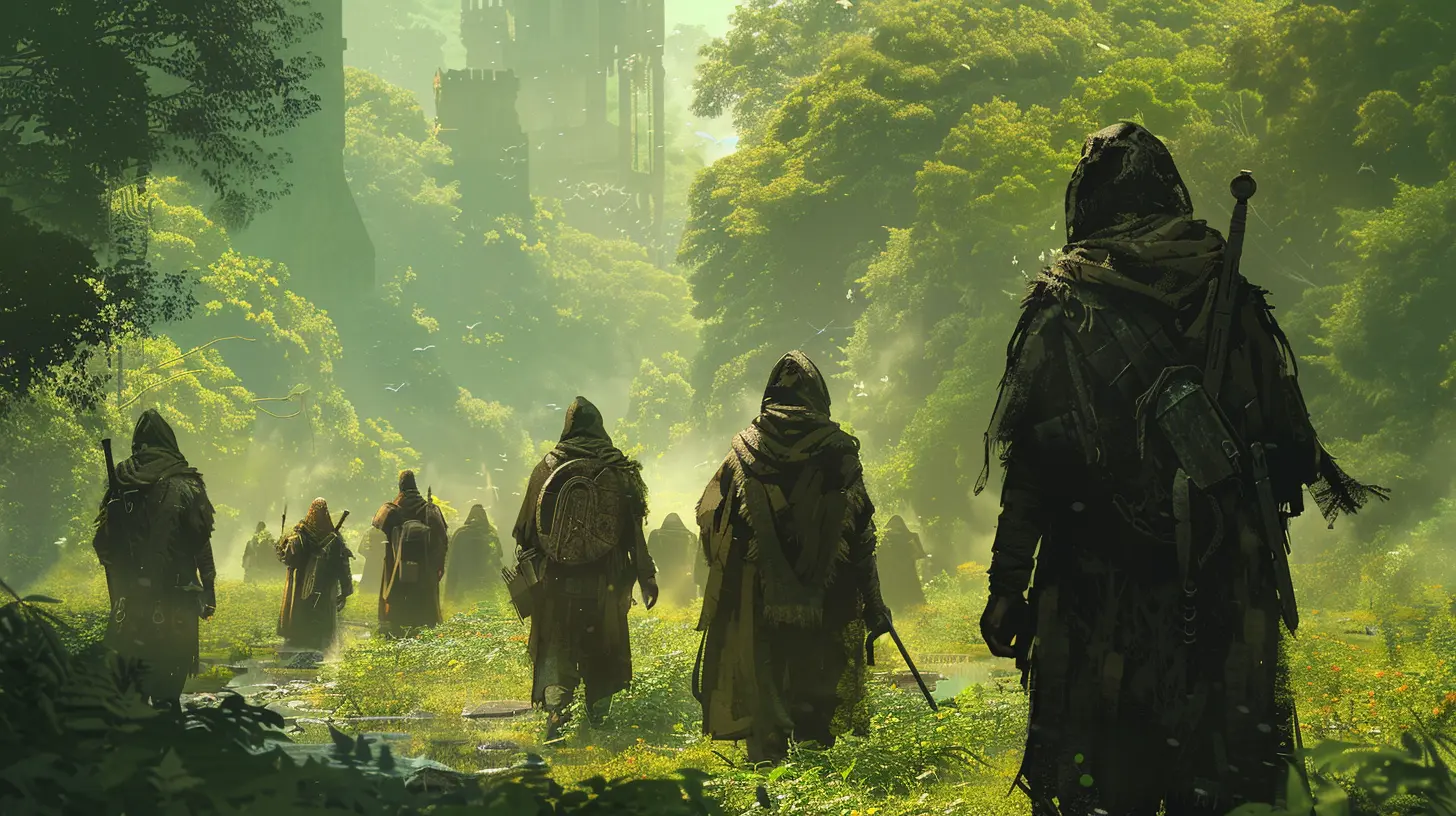
More Than Information Dumpers
Let’s address the elephant in the room: yes, NPCs are often the conduits through which you get quests, lore, and world-building. But that doesn’t mean they’re just glorified bulletin boards. When they’re written well, NPCs can deliver exposition in ways that feel organic and engaging.Take Hollow Knight, for instance. It doesn’t throw long-winded speeches or boring text walls at you. Instead, the NPCs you meet on your journey—like the quirky Tiso or the enigmatic Seer—pepper their dialogue with hints of the world’s history and your role within it. They don’t just hand over quests; they make you curious. It’s like being given pieces of a puzzle and knowing there are still parts you haven’t found yet.
Great NPCs give enough context to push you forward without overwhelming you. They’re like that one friend who tells you just enough to intrigue you but not so much that they spoil the movie.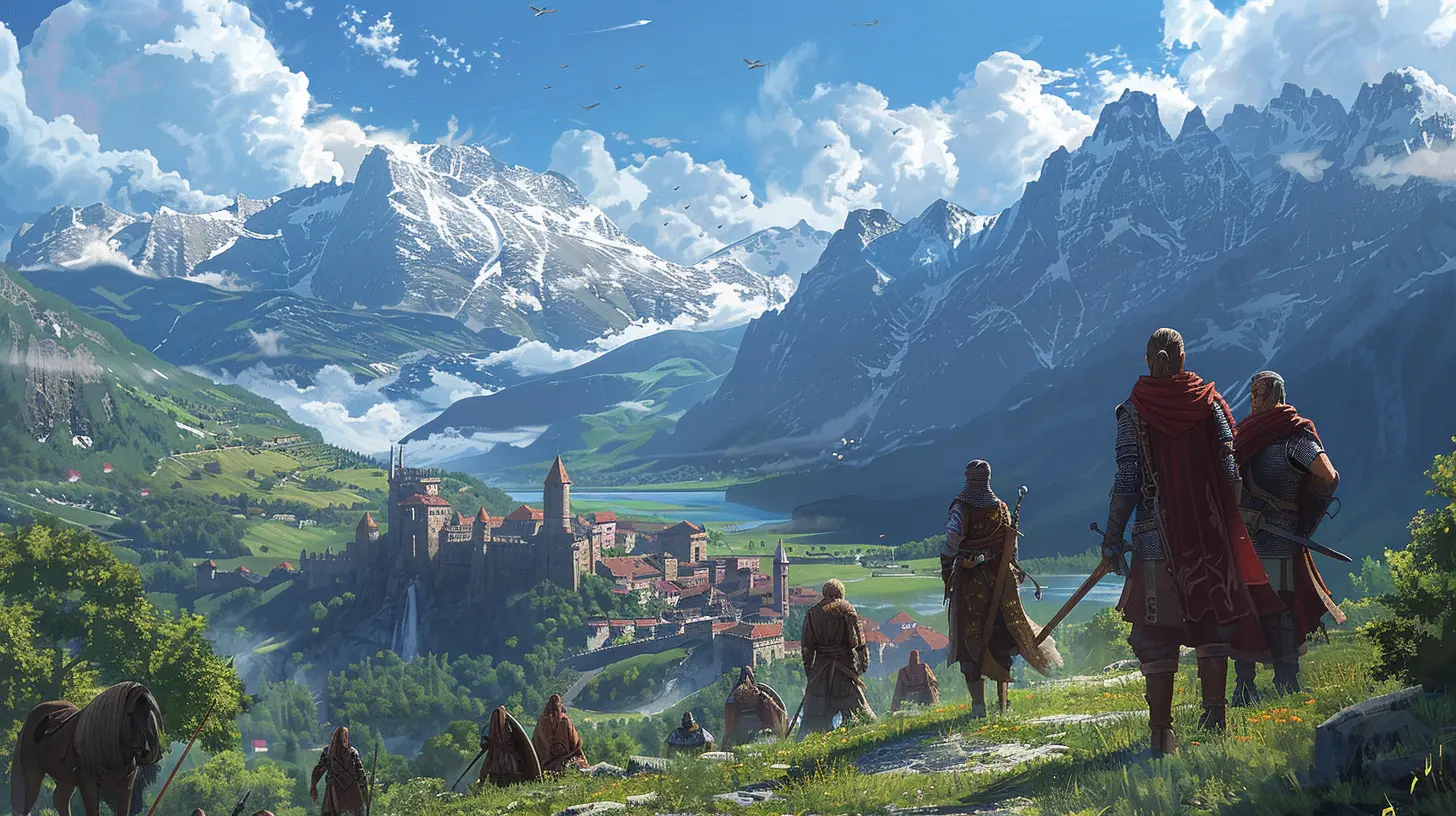
Emotional Hooks: Making You Care
Let’s flip the script for a second. What happens when an NPC’s role isn’t to give you quests, but to make you care? Some of the most impactful encounters in gaming hinge on connections with NPCs.Think about Lee and Clementine in The Walking Dead. Clementine isn’t just a character you protect—she’s the emotional heart of the game. Your first real moment with her sets the tone for everything that follows. Her innocence and vulnerability hit you like a ton of bricks, and suddenly, your choices feel heavier. It’s not just about surviving zombies; it’s about her survival and what kind of person you want her to see you as.
That emotional hook transforms the way you view the game. Suddenly, it’s not just a series of quests—it’s a story you’re deeply invested in. It’s like when you watch a tearjerker movie, and you’re still thinking about it days later. Good NPCs can leave that same lasting impression.
Are NPCs Secret Storytellers?
Sometimes, NPCs are the unsung storytellers of their worlds. Through their dialogue, behavior, and even their environment, they add richness to the narrative that might not be obvious at first glance.Think about the residents of Skyrim. You’ll find a farmer lamenting over a dragon attack or a kid boasting about their warrior dad. None of these interactions seem crucial to the main story, but they paint a vibrant picture of what it’s like to live in that world. They’re like the background details in a painting—they’re not the focal point, but they make the whole thing feel more alive.
This is where good game design shines. NPCs, when done right, aren’t just cardboard cutouts. They’re living, breathing pieces of a larger puzzle. They make the world feel dynamic instead of static, as if things would still be happening even if you weren’t there.
Quirky, Memorable Characters Stick With Us
Let’s face it: some NPCs are just plain unforgettable. And not always in a serious way! Sometimes it’s the quirky, offbeat characters that leave the strongest impression. These are the NPCs who don’t just hand out quests—they entertain, confuse, or even frustrate us in ways we can’t help but love.Take Borderlands’ Claptrap. He’s annoying, sure, but he’s also iconic. Or think about Tingle from The Legend of Zelda series. Love him or hate him, you remember him, right? These NPCs might not contribute significantly to the plot, but they add flavor. They’re like the sprinkles on your gaming sundae—not necessary, but definitely appreciated.
Evolving NPCs: A Trend Worth Watching
The gaming industry has come a long way from NPCs reciting the same line over and over again like a broken record. Thanks to advancements in AI, we’re starting to see more dynamic, reactive NPCs that feel a lot closer to real people. Imagine characters who remember your past actions and change their behavior accordingly. We’re already seeing glimpses of this in games like Cyberpunk 2077 and The Elder Scrolls series.It raises an intriguing question: will there ever be a day when NPCs feel almost indistinguishable from actual players? The possibilities are exciting—and maybe a little unnerving! But one thing’s for sure: NPCs are no longer just background noise. They’re an integral part of the gaming experience, and they’re only going to get better from here.
So, Are They More Than Just Quests?
Absolutely. At their best, NPCs are so much more than quest dispensers. They’re storytellers, mirrors, emotional anchors, and sometimes even the heartbeat of a game. They can make us laugh, cry, and rethink our choices. They’re the unsung heroes who add depth and richness to the worlds we love to lose ourselves in.So the next time you meet an NPC in a game, pause for a moment. Listen to what they’re really saying. Chances are, there’s more to them than meets the eye. And who knows? That throwaway character you almost skipped might just end up being your favorite part of the entire game.
all images in this post were generated using AI tools
Category:
First ImpressionsAuthor:

Tina Fisher
Discussion
rate this article
2 comments
Kason Jones
Absolutely! NPCs bring our gaming worlds to life, offering depth and connection beyond mere quests. Every interaction is a chance to explore stories, emotions, and friendships. Embrace these encounters; they enrich our adventures and remind us that even in games, relationships matter!
January 13, 2026 at 3:43 AM
Tina Fisher
Thank you! I completely agree—NPCs truly enhance our gaming experiences by adding emotional depth and storytelling. Every interaction is invaluable!
Seraphis Riley
NPCs enrich gameplay; they deserve our attention!
January 8, 2026 at 3:48 PM
Tina Fisher
Absolutely! NPCs add depth and immersion, making interactions feel meaningful beyond just quest-givers. They contribute significantly to the narrative and emotional experience of the game.