Crafting Systems That Encourage Exploration
15 July 2026
Games aren’t just about hacking and slashing or racking up high scores anymore. They’re whole worlds waiting to be explored. And what better way to get players to poke around every nook and cranny than a compelling crafting system?
Let’s be honest—most gamers love the thrill of finding something rare, combining it with something weird, and coming out on the other side with a shiny new weapon, powerful gear, or even a cozy little base. But here's the kicker: not all crafting systems are built the same. Some push players to dive deeper into the game world, while others do little more than make them hoard resources and follow recipes.
So, what makes a crafting system truly encourage exploration? Let’s unpack that.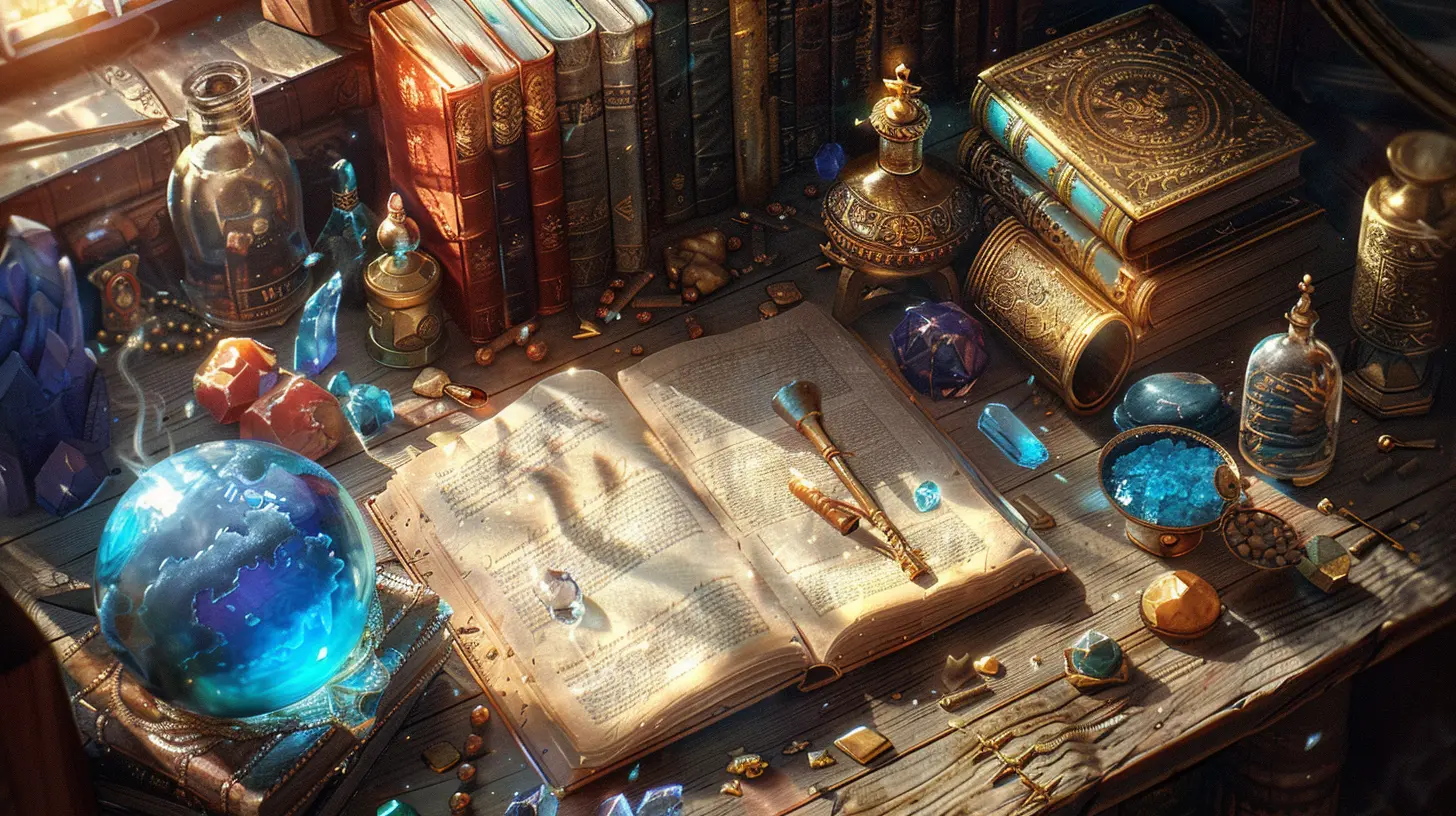
Why Crafting Systems Matter More Than Ever
Crafting has become a core part of many game designs—from survival titles like Minecraft and Subnautica, to sprawling RPGs like The Legend of Zelda: Tears of the Kingdom and The Witcher 3. And it's not just to keep players busy. It's a powerful motivator to keep pushing forward, venturing off the beaten path, and uncovering secrets that aren’t on any map.More than just combining things, crafting tells a story. It says, “Hey, you found this rusted blade buried under a collapsed ruin and that strange gem deep in a hidden cave... now look what you’ve made!” It ties the player's journey directly into the gameplay mechanics.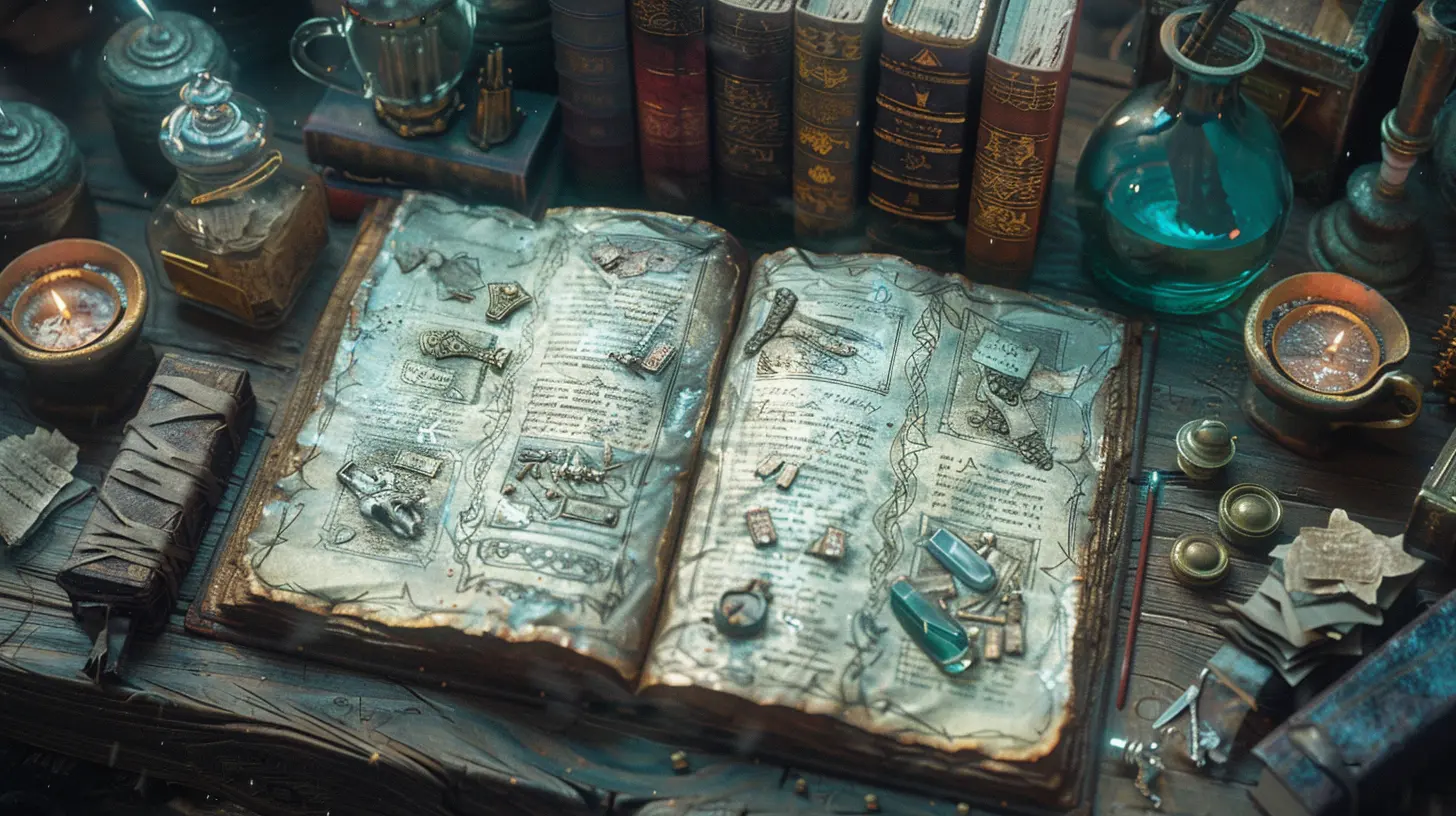
The Psychology Behind Exploration and Crafting
Before diving into the design side of things, let’s talk a bit about what’s going on in the player’s mind.Exploration taps into curiosity. It’s human nature to want to know what’s over the next hill, behind the locked door, or inside that creepy cave. When we tie rewards like crafting materials and recipes to exploration, it gives players a reason to follow that curiosity besides just "I wonder what's there?"
Crafting, on the other hand, satisfies the need for mastery and creativity. It’s a process. You gather, learn, experiment, fail, retry... and eventually succeed. It’s deeply personal and satisfying.
So, when you combine these two mechanics, you create a gameplay loop that’s both emotionally rewarding and mechanically engaging.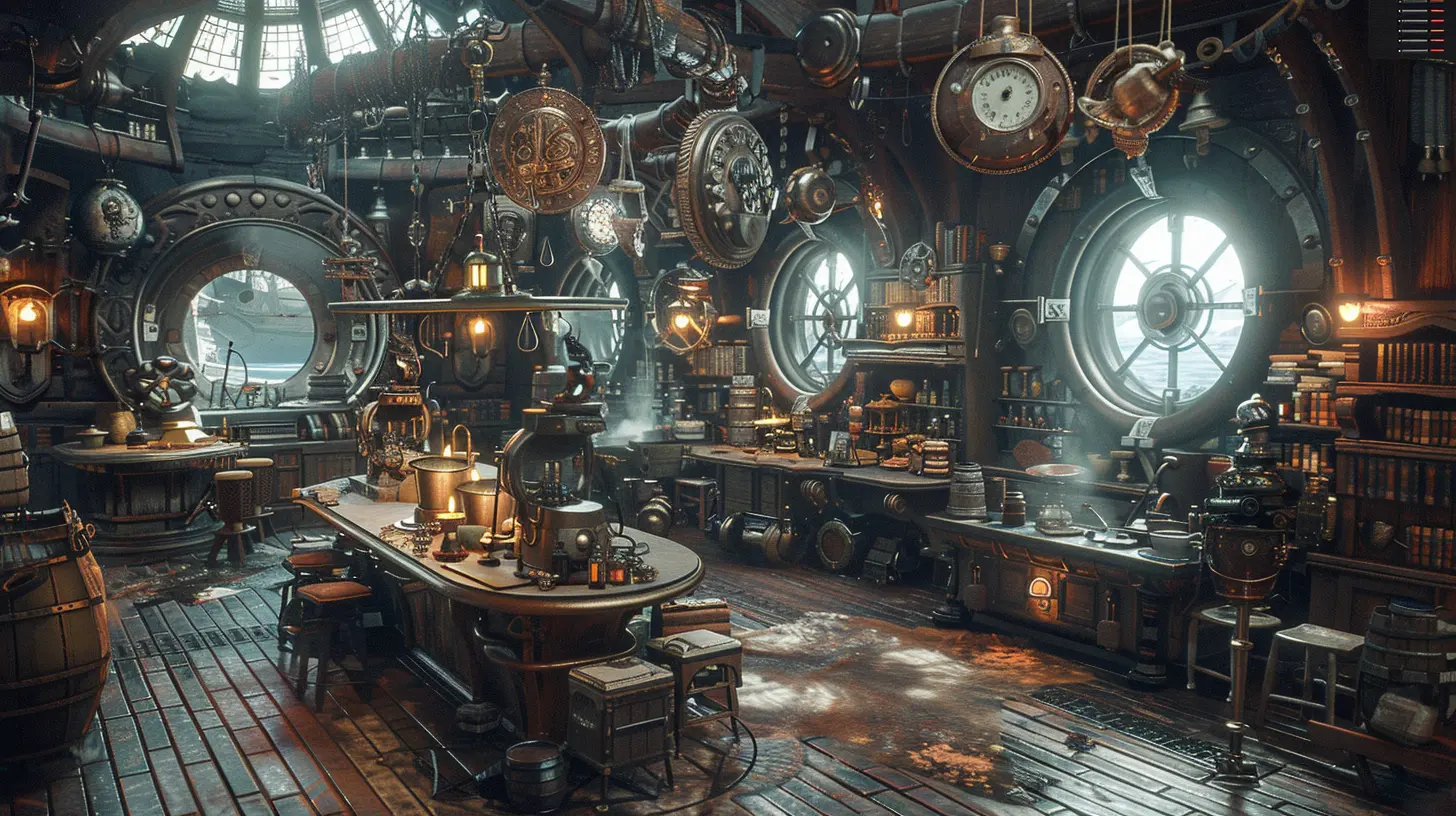
Key Elements of Crafting Systems That Feed Exploration
Let’s break down what actually makes a crafting system inspire players to wander off the main path.1. Unique Materials Found in Unusual Places
One of the most effective ways to get players to explore is to scatter unique crafting materials across the world. But it has to feel intentional—not just random drops.Think about rare herbs that only grow on the edge of a mountain cliff or minerals that glow inside ancient ruins only accessible with a puzzle key. Make the player feel like a true adventurer discovering secrets, not just a worker bee grinding for parts.
Games like Horizon Zero Dawn do this brilliantly by placing collectible machine parts in specific enemy types scattered across biomes. You learn to track, plan, and venture into danger zones because the reward is worth it.
2. Environmental Interaction and Discovery
Encourage players to not just go places—but to observe them. Some of the best crafting systems require players to engage with their environment.Maybe there’s a plant that only blooms under moonlight. Or a certain fish that can only be caught during storms. These elements make the world feel alive and dynamic. It’s not just about where you are, but when and how you’re there.
This turns exploration into more than just a map-filling chore—it becomes a puzzle and a story in itself.
3. Dynamic Recipes and Blueprints
Don’t hand players everything on a silver platter. Instead, let them stumble upon blueprints in hidden areas, or piece together recipes from lore books, conversations with NPCs, or environmental clues.Better yet? Let players discover their own combinations. A soft-sandbox approach can work wonders—especially in survival and crafting-heavy games. Think Breath of the Wild’s cooking system: it doesn’t tell you exactly what you need, but it motivates experimentation. And when you make a dish that gives you cold resistance just in time to climb a snowy mountain? Total win.
4. Crafting That Changes How You Explore
Here’s one that doesn’t get talked about enough: rewards that loop back into exploration.Craft a glider that lets you soar across valleys. Build a raft to cross rivers. Put together a scanner that leads you to better loot. When crafting tools enhance your ability to explore, the gameplay loop gets tighter and even more satisfying.
In Subnautica, you build better oxygen tanks, finally allowing you to dive into deeper biomes filled with new threats and new materials. That’s a textbook example of crafting systems fueling exploration naturally.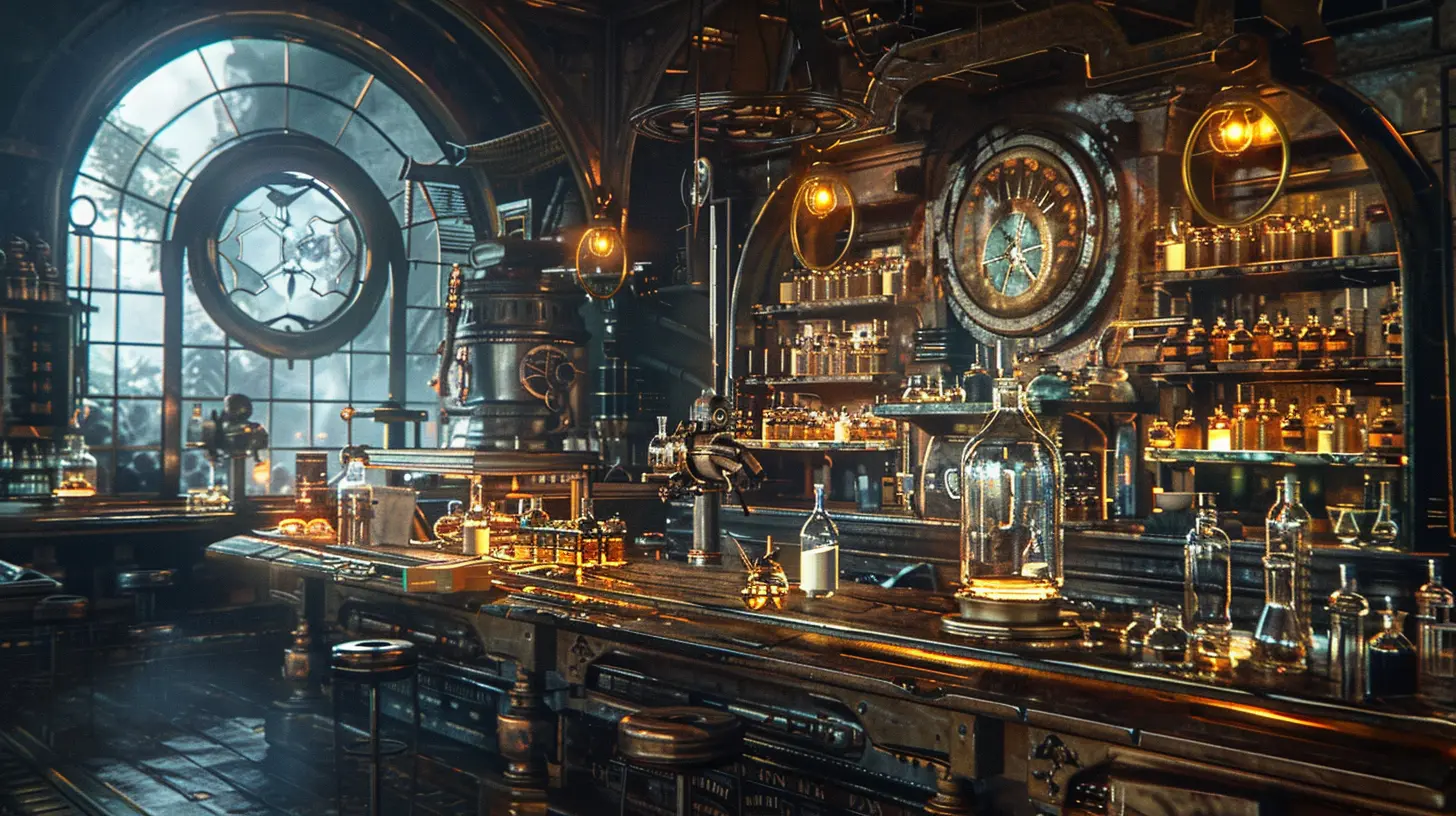
The Joy of Discovery: Let Players Feel Smart
Crafting systems that encourage exploration don’t shove players down a straight path. They gently nudge. They whisper, “What if you tried that?” instead of screaming, “Go here next!”This gentle guidance creates a sense of ownership over discoveries. Every player’s journey feels a little different because they found their rare flower in a waterfall cave, while someone else stumbled upon it during a thunderstorm.
That sense of personal experience? It keeps players hooked.
Balance is Everything
Here’s the tricky part: if you make crafting too hard or resource hunting too obscure, players get frustrated. If everything is laid out on a checklist, it feels robotic.Great crafting systems need balance.
There should be enough guidance to make sure players don’t feel lost, but enough mystery to keep them intrigued. Some materials should be plentiful, others rare. Some recipes common knowledge, others buried in lore.
Give players tools to understand the system—like journals, clue-giving NPCs, or discoverable maps—but let them connect the dots themselves.
Multiplayer Crafting Systems & Shared Discovery
While we often focus on single-player experiences, crafting in multiplayer games can be just as exploration-focused—if done right.When resources are spread over a massive world, players naturally go off in different directions. Sharing discoveries—like a hidden cave full of crafting ores or a rare flower deep in the jungle—becomes a communal experience. It adds a whole new layer of engagement and social cooperation.
Games like Valheim do a fantastic job here. Players split up, bring back rare loot, and work together to build up their base or craft gear for a raid. It turns the world into a living, breathing social sandbox.
The Emotional Payoff
At the heart of it all, we’re chasing a feeling.The feeling of crafting the perfect sword after scavenging a desert for days. The rush of sipping a potion mid-battle that you brewed with ingredients from three deep biomes. The pride of building a shelter in a remote zone only reachable by gliding across canyons with wings you crafted yourself.
That’s what makes crafting systems so special when they’re woven into exploration. They give meaning to the journey, not just the destination.
Designing for Replayability
Crafting systems that encourage exploration don’t just make the first playthrough magical—they add serious replay value.When you know there are still recipes you haven’t discovered or crafting components hidden in unexplored regions, it’s hard to walk away. Add on randomized elements, seasonal materials, or procedural world generation, and you’ve got a recipe—pun intended—for long-lasting engagement.
Final Thoughts
Crafting, when done right, is about more than just making stuff. It’s about making memories. It transforms the game world from a set of levels into a living space worth investigating.So if you’re a game developer, remember: the crafting system isn’t just a mechanic—it’s a motivator. It can push players to climb higher, dive deeper, and wander further than they ever thought they would.
And if you’re a player? Next time you gather a weird plant or a glowing stone, take a second to smile. You’re not just collecting junk—you’re writing your own adventure, one crafting recipe at a time.
all images in this post were generated using AI tools
Category:
Item CraftingAuthor:

Tina Fisher